Elections
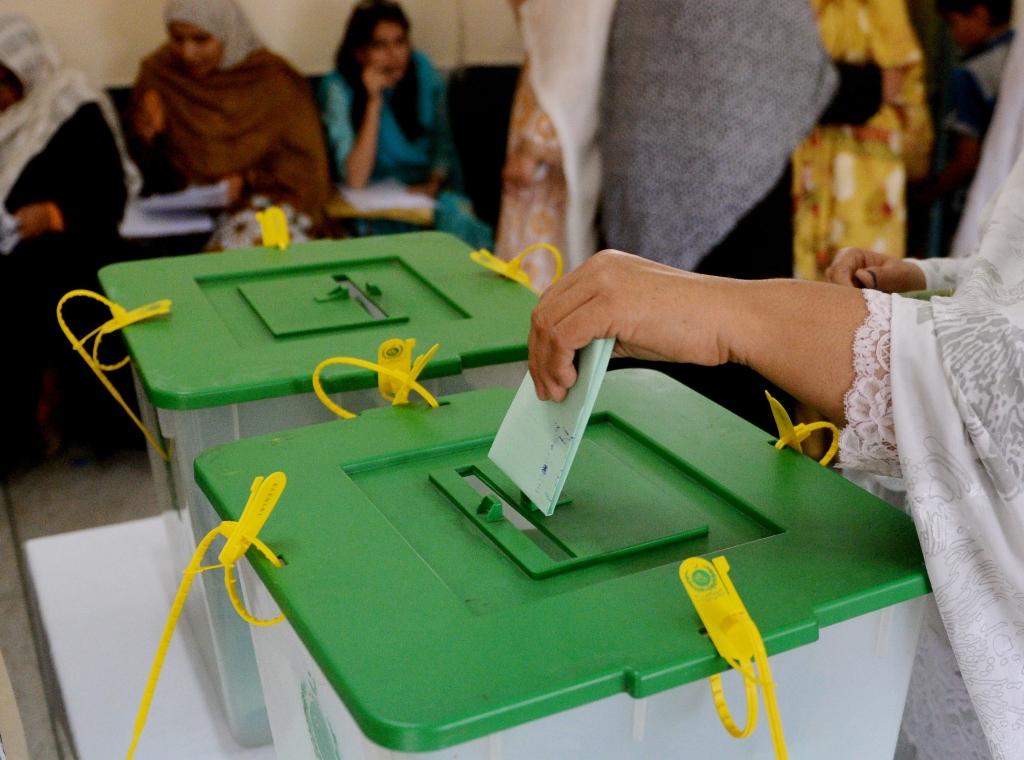
The right to vote and the right to stand for election are two fundamental elements of democracy. Notably, many countries did not afford women the right to vote until the 20th Century. Even today, universal suffrage is not a given right in all countries, and women often face obstacles that undermine their participation in political and electoral processes. There are various ways to support women in overcoming these obstacles. Such methods include revising the electoral system used, applying affirmative action mechanisms such as quotas, improving voter education for women and training political candidates. These are a few of the modes available to strengthen women’s political participation .Photo©Jens Franssen

July 29, 2016
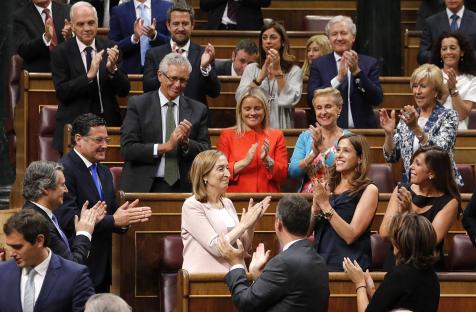
Ana Pastor elected President of the Congress of Deputies in Spain
The Congress of Deputies of Spain has chosen a woman, Ana Pastor, as president for the 12th Legislature last July 19.
May 20, 2016
Pew Research study on how gender relates to political attitudes
In a political context marked by the historical fact tha
Framework for the Consolidation of Parity Democracy

In 2013 the 29th General Assembly of the Latin American Parliament, that took place on 19-20 October, approved the Resolution on the political participation of women, which “reaffirms the
January 11, 2016
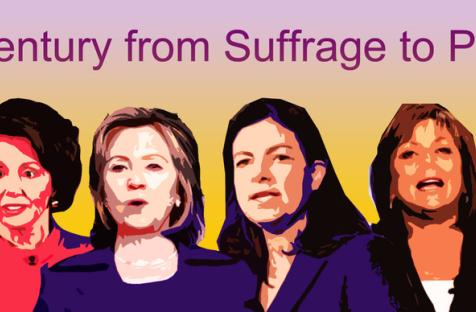
Online platform 'Representation 2020. A Century from Suffrage to Parity' works for women's political empowerment
The online platform ‘Representation 2020.
January 8, 2016
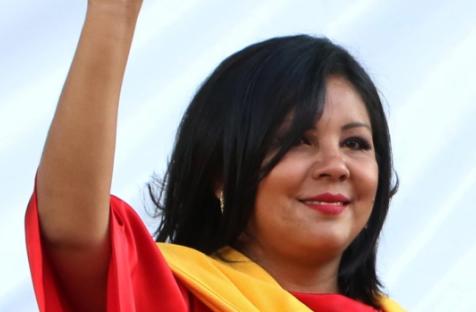
United Nations and the Network of Women in Plural urge for justice after the murder of the mayor of Temixco
After an election campaign that had acrimoniously questioned the relevance of the political participation of women, the last elections in Mexico to renew the local Congress in Morelos resulted in t
January 8, 2016
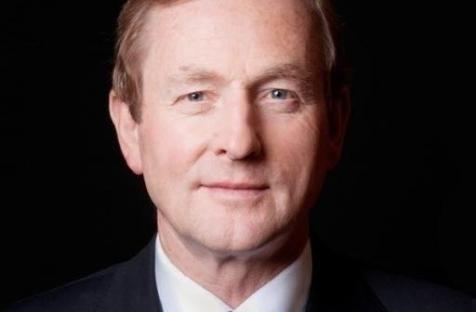
Ireland's Prime Minister, Mr. Enda Kenny, declares his intention to constitute a parity government if he wins the elections
Ireland’s Prime Minister, or Taoiseach, Mr. Enda Kenny, has recently declared his intentions to constitute a parity government if he is to continue in power after the next elections.
November 20, 2015
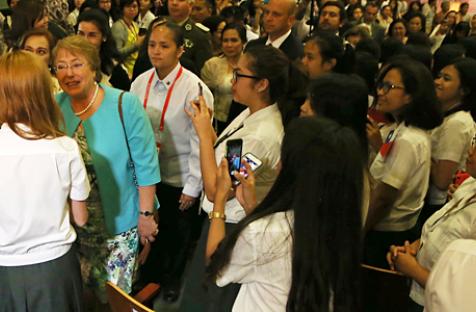
Michele Bachelet Advocates for Gender Quotas at the Women and Youth Dialogue
Michele Bachelet, President of the Republic of Chile, has participated this week in the forum ‘Women and Youth Dialogue’, celebrated this week at the Miriam College, in Quezon City (Philippines).

November 11, 2015
BRIDGE Project Encourages Women's Voting in Haiti
Sixteen years ago the BRIDGE –Building Resources in Democracy, Governance and Elections– project was initiated.