Saudi Activists: Fighting for Women’s Rights
This blog was published on 22 December 2014 and updated by the author on 5 October 2018.
By Halima Tahirkheli

The right to vote and the right to stand for election are two fundamental elements of democracy. Notably, many countries did not afford women the right to vote until the 20th Century. Even today, universal suffrage is not a given right in all countries, and women often face obstacles that undermine their participation in political and electoral processes. There are various ways to support women in overcoming these obstacles. Such methods include revising the electoral system used, applying affirmative action mechanisms such as quotas, improving voter education for women and training political candidates. These are a few of the modes available to strengthen women’s political participation .Photo©Jens Franssen

This blog was published on 22 December 2014 and updated by the author on 5 October 2018.
By Halima Tahirkheli
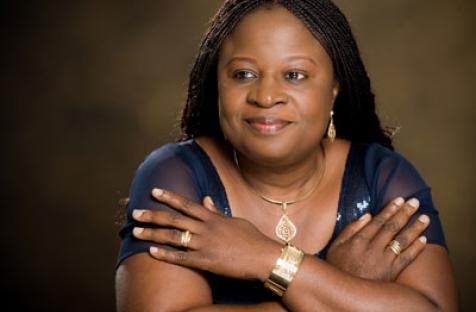
THE increasing low participation of women in politics, especially in contesting for elective offices is beginning to give serious concern to women leaders and are now canvassing for strategies to tackle the deficit and ensure that women’s skills and intelligence are properly and equally harne

by Lucile Huguet Scotland didn’t get enough Yes to become independent from England. However, the country is at a real turning point of its history. Scotland got its first female politician elected as head of the country.
Vietnam's National Assembly chairwoman Tong Thi Phong said promoting gender equality in the political area will create more opportunities for women, Vietnam News Agency (VN
The wife of the Kw
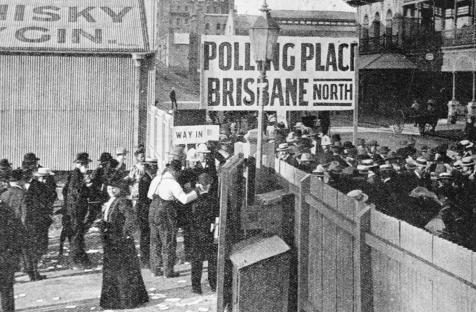
One hundred and eleven years ago today, December 16, 1903, was the day Australians elected their second Federal Parliament and the first day all non-indigenous women of voting age in Victor
Women voters on Sunday outnumbered men in the fourth phase of the assembly elections in Jharkhand.