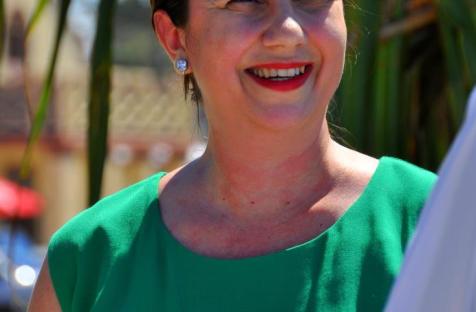
It’s a historic day for politics and women in Australia – and even more remarkable for one woman minister, who is also Queensland’s first ever Indigenous woman MP.
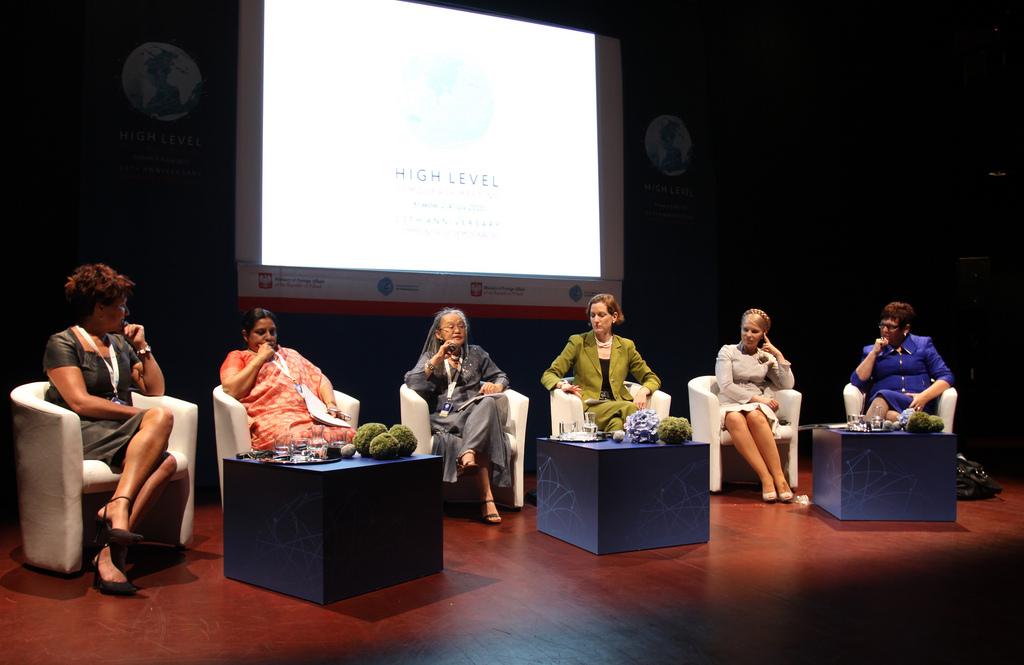
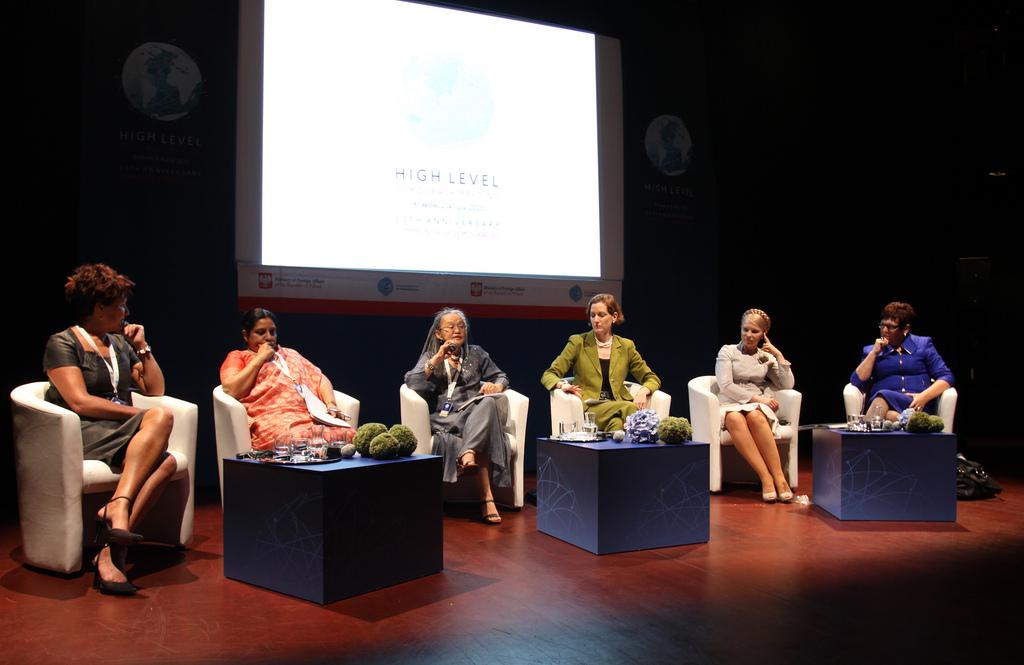
The right to vote and the right to stand for election are two fundamental elements of democracy. Notably, many countries did not afford women the right to vote until the 20th Century. Even today, universal suffrage is not a given right in all countries, and women often face obstacles that undermine their participation in political and electoral processes. There are various ways to support women in overcoming these obstacles. Such methods include revising the electoral system used, applying affirmative action mechanisms such as quotas, improving voter education for women and training political candidates. These are a few of the modes available to strengthen women’s political participation .Photo©Jens Franssen
It’s a historic day for politics and women in Australia – and even more remarkable for one woman minister, who is also Queensland’s first ever Indigenous woman MP.
The Academy for International Development-Middle East (AIDME) is implementing a three-year development project in the Middle East and North Africa region.
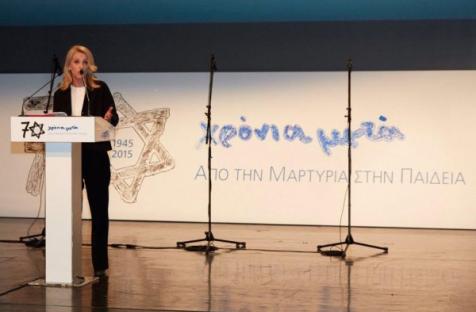
Women are conspicuously absent from the cabinet of Prime Minister Alexis Tsipras. They have traditionally been underrepresented in Greek politics, but Syriza was different. Joanna Kakissis reports from Athens.
It is reasonable to assume that the best political system for a woman to get into politics is democracy. Of course, this is arguable given that most democracies, including Western democracies have not been able to provide women with an equitable political representation and that we usually consider western democracy to be the most advanced of all democracies.
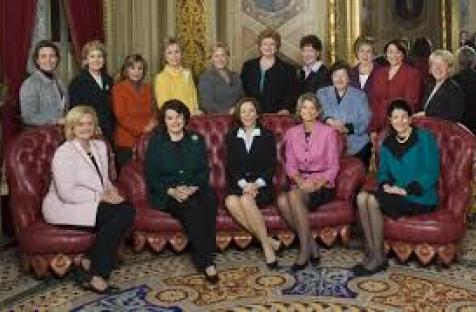
While women in southern New Jersey government agree they haven’t shattered the glass ceiling in politics, fewer of them are getting headaches from bumping up against it these days and several have broken through to achieve historic firsts.
Opposition challenger Kolinda Grabar-Kitarovic has become the first female president of Croatia, winning by the narrowest of margins.
She secured 50.5% of the vote with 99% of ballots counted, while incumbent Ivo Josipovic was close behind on 49.5%.
MAJORITY Leader of the House of Representatives, Mulikat Akande-Adeola, has canvassed the need for a framework that will define the constitutional quota for women in both el