Maureen Jankowski

Member of Parliament, Namibia
The right to vote and the right to stand for election are two fundamental elements of democracy. Notably, many countries did not afford women the right to vote until the 20th Century. Even today, universal suffrage is not a given right in all countries, and women often face obstacles that undermine their participation in political and electoral processes. There are various ways to support women in overcoming these obstacles. Such methods include revising the electoral system used, applying affirmative action mechanisms such as quotas, improving voter education for women and training political candidates. These are a few of the modes available to strengthen women’s political participation .Photo©Jens Franssen

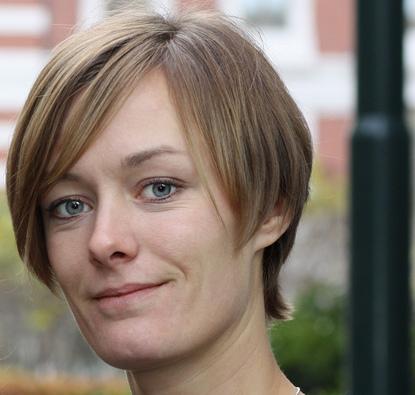

This case study outlines the Electoral Commission of Namibia’s (ECN) efforts to take gender in electoral processes into account in its electoral legal reform consultations that took place between 2011 and 2014.
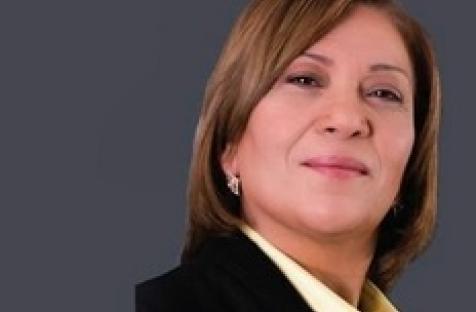
In a life spanning colonial rule, war, autocracy and revolution, Tunis resident Halima never saw a reason to vote.
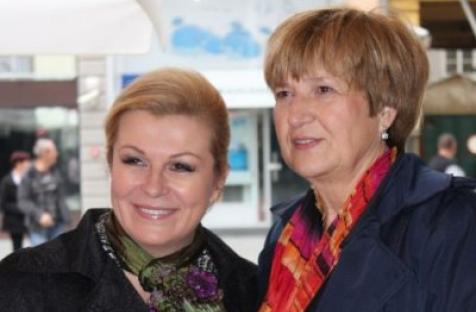
Member of the European Parliament Ruza Tomasic on Sunday supported HDZ candidate Kolinda Grabar Kitarovic in the race for the next president of Croatia, saying that Croatia was ready for a woman president.
Tuesday’s elections brought a number of firsts for women in American politics. Iowans for the first time sent a woman, Joni Ernst, to Congress.
The midterm elections brought landmark victories for female candidates.
Republican Elise Stefanik has become the youngest woman elected to Congress in history,