Elections

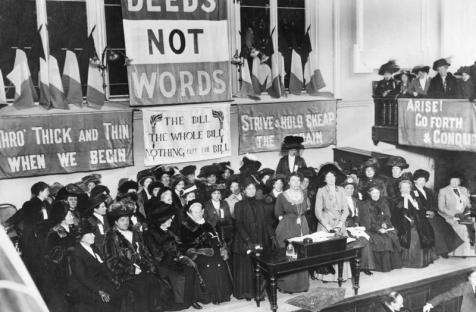
The right to vote and the right to stand for election are two fundamental elements of democracy. Notably, many countries did not afford women the right to vote until the 20th Century. Even today, universal suffrage is not a given right in all countries, and women often face obstacles that undermine their participation in political and electoral processes. There are various ways to support women in overcoming these obstacles. Such methods include revising the electoral system used, applying affirmative action mechanisms such as quotas, improving voter education for women and training political candidates. These are a few of the modes available to strengthen women’s political participation .Photo©Jens Franssen

July 27, 2014
Liberia: 'We Will Support Women' - Liberty Party Push Candidates for Senatorial Race

The Chairman of the opposition Liberty Party, Atty. Fonati Koffa, said the Liberty is in the lead pushing the gender parity. Speaking at a fundraising dinner organized by Senator Nyonblee Karngar Lawrence and held at the Cape Hotel on Friday July 25, 2014, Atty.

July 26, 2014
Politics still an exclusive and largely male pursuit, Fianna Fáil councillors say, Ireland

Politics will continue to be an exclusive and largely male pursuit until political parties take a serious look at a more representative system, two female councillors with a strong family background in

July 26, 2014
Women in Politics - Beyond Numbers

Following David Cameron’s cabinet reshuffle, the UK government has moved from having three women in the cabinet to five: and these two new members are working mothers, a presence not there before.

July 24, 2014
Ombudsman concerned over lack of women in politics (Georgia)

The Public Defender’s Office has expressed its concerns over the declining rate of women's participation in the country’s political life experiences and there is no progress observed on the horizon. 

July 24, 2014
Czech parties with few female candidates may lose subsidies

Political parties that have less than 30 percent female representation in their lists of candidates for the general and regional elections may get less money from the state per mandate gained, according to a draft amendment to the election law, which daily Právo writes about today.

July 17, 2014
Ready for the lists, say Uruguayan women

Gabrielle Bardall

Image

Gabrielle Bardall is an academic and an electoral assistance expert with a decade of experience supporting electoral processes in transitional states. She has worked in more than 25 countries with international organizations including UNDP, UN Women, DPKO, IFES, DRI, Carter Center and others.