Women leadership in Vietnam: How more women in politics bolsters equality
The government of Vietnam has set a target of a minimum of 35% women's representatio
The right to vote and the right to stand for election are two fundamental elements of democracy. Notably, many countries did not afford women the right to vote until the 20th Century. Even today, universal suffrage is not a given right in all countries, and women often face obstacles that undermine their participation in political and electoral processes. There are various ways to support women in overcoming these obstacles. Such methods include revising the electoral system used, applying affirmative action mechanisms such as quotas, improving voter education for women and training political candidates. These are a few of the modes available to strengthen women’s political participation .Photo©Jens Franssen

The government of Vietnam has set a target of a minimum of 35% women's representatio
A Comparative Study in Five Southeast Asian Countries: Cambodia,
Malaysia, Indonesia, the Philippines, and Timor-Leste:
It is generally recognized that women worldwide make substantial contributions towards politics, society
and the economy in their country. In newly democratic countries in Southeast Asia the role of women
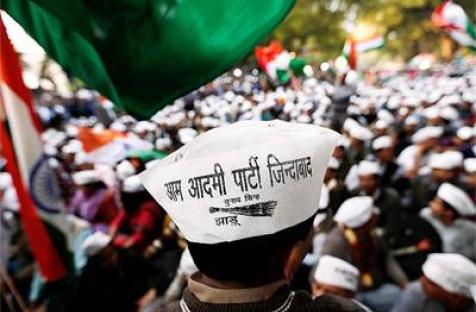
In a bid to connect with women voters, Aam Aadmi Party (AAP)'s women's wing has completed its first objective of setting up units in all the 70 Assembly segments of Delhi, the party has said.
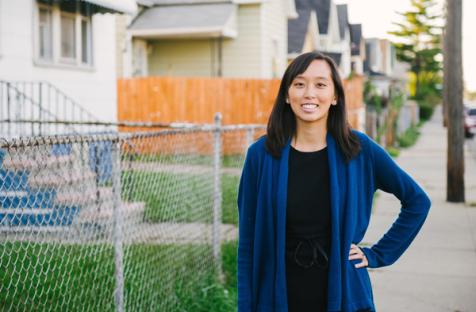
Photo-stephaniechang.com

Photo-AFP
Some accused it of being predictable and even boring - a presidential election in which the incumbent was all but guaranteed of being re-elected without, perhaps, even the need for a second round of voting.
Prepared and presented by Basma Soudani Belhadj (President and founder of League of Tunisian Women Voters LET) and Najla Abbes (board member and co-founder of LET): An overview of women's political participation after the 2011 revolution in Tunisia.
A REGIONAL research body, Research and Advocacy Unit (RAU), has said although Zimbabwean women are largely marginalised, they still exerted a lot of influence through voting even in the face of serious fears about violence during elections.
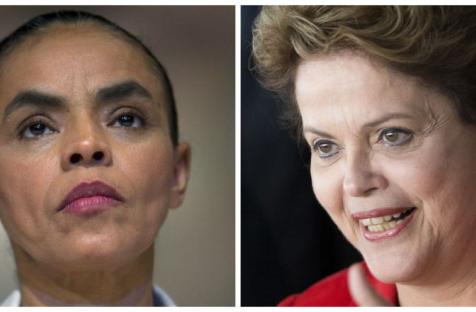
AP Photo/Andre Penner, Felipe Dana