Elections

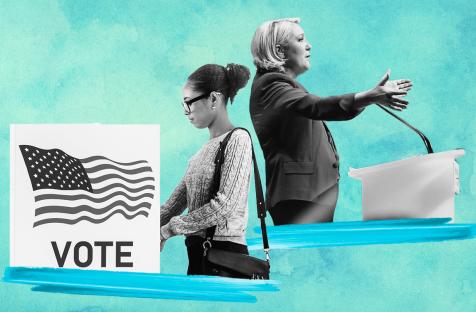
The right to vote and the right to stand for election are two fundamental elements of democracy. Notably, many countries did not afford women the right to vote until the 20th Century. Even today, universal suffrage is not a given right in all countries, and women often face obstacles that undermine their participation in political and electoral processes. There are various ways to support women in overcoming these obstacles. Such methods include revising the electoral system used, applying affirmative action mechanisms such as quotas, improving voter education for women and training political candidates. These are a few of the modes available to strengthen women’s political participation .Photo©Jens Franssen

Le Monde
July 12, 2024
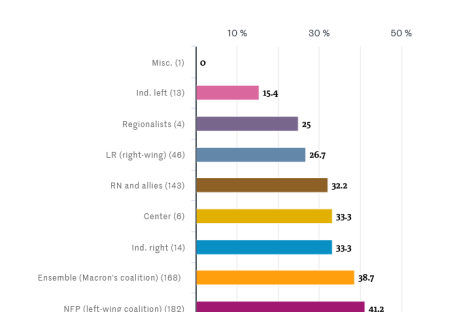
Age, gender, profession: Who are France's new members of Parliament?

Only 208 women will sit in the Assemblée Nationale, representing just over a third of all MPs. This is the second time in two years that the proportion of women in the Assemblée has fallen.
The Christian Science Monitor
July 11, 2024
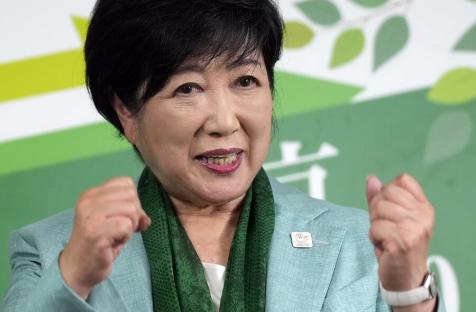
Tokyo’s female governor keeps winning: What it means for Japan’s male-dominated politics

The first woman governor of Tokyo, Yuriko Koike, has won a third term – against another woman candidate. The race between multiple women signifies a push for greater female representation in Japanese politics, which is still overwhelmingly dominated by men.

IPU
July 9, 2024
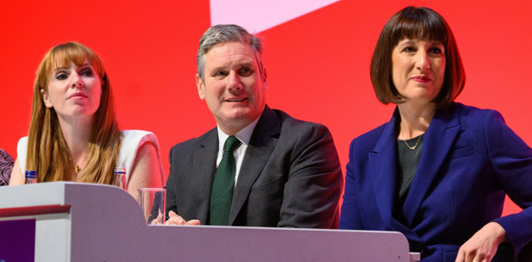
Gender equality highs and lows: A tale of two parliamentary elections

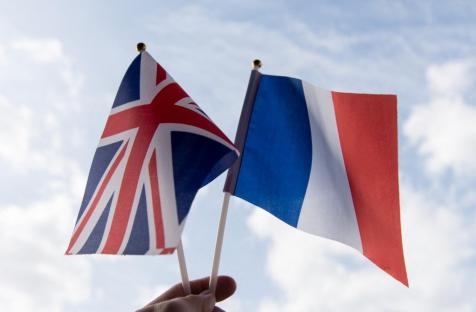
Following an intense week of elections, the IPU’s two founding members, France and the United Kingdom, have just completed their parliamentary elections.

Foreign Affairs
July 3, 2024
The Global Assault on Women in Politics

This year, countries accounting for nearly half of the world’s population are holding national elections.