Elections

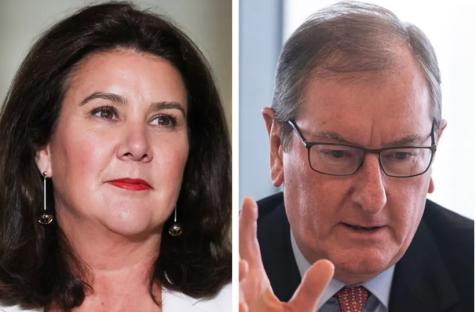
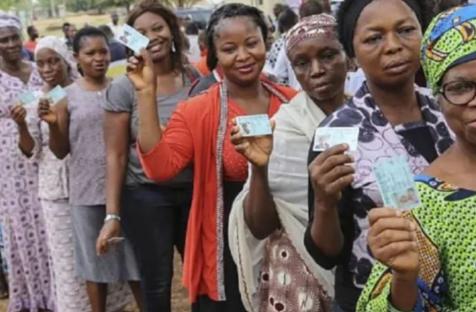
The right to vote and the right to stand for election are two fundamental elements of democracy. Notably, many countries did not afford women the right to vote until the 20th Century. Even today, universal suffrage is not a given right in all countries, and women often face obstacles that undermine their participation in political and electoral processes. There are various ways to support women in overcoming these obstacles. Such methods include revising the electoral system used, applying affirmative action mechanisms such as quotas, improving voter education for women and training political candidates. These are a few of the modes available to strengthen women’s political participation .Photo©Jens Franssen

Interventions to end online violence against women in politics

Back
October 31, 2022

Interventions to end online violence against women in politics

Online violence against women in politics (OVAW-P) poses a deepening challenge to democracy, serving as a key tool of illiberalism and democratic backsliding across the globe.

Online violence against women in politics (OVAW-P) poses a deepening challenge to democracy, serving as a key tool of illiberalism and democratic backsliding across the globe.

Latinas in U.S. politics 2022

Back
October 31, 2022

Latinas in U.S. politics 2022

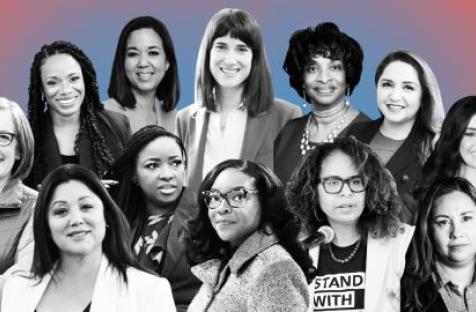
Latinas are serving in record numbers across levels of elective office, but we are still vastly underrepresented when compared to our numbers in the population.

Latinas are serving in record numbers across levels of elective office, but we are still vastly underrepresented when compared to our numbers in the population.

Podcast: Rosie Campbell on how women shape elections

Back
October 28, 2022

Podcast: Rosie Campbell on how women shape elections

Rosie Campbell is professor of politics and Director of the Global Institute for Women’s Leadership at King’s College London, where she works with Julia.

Rosie Campbell is professor of politics and Director of the Global Institute for Women’s Leadership at King’s College London, where she works with Julia.

Kenyan women lead peace efforts in longstanding conflicts

Back
October 27, 2022

Kenyan women lead peace efforts in longstanding conflicts

Across Kenya, local conflicts driven by diverse factors have one thing in common: they’re increasingly being mediated by women.

Across Kenya, local conflicts driven by diverse factors have one thing in common: they’re increasingly being mediated by women.

New Zealand
October 27, 2022
New Zealand’s Parliament becomes majority female — "about blimmin’ time"

New Zealand made history — or herstory — this week as female lawmakers became the majority, narrowly outnumbering their male counterparts in Parliament for the first time.

US midterm elections: Why Bolivia's lawmakers are 50% women

Back
October 26, 2022

US midterm elections: Why Bolivia's lawmakers are 50% women

Despite historic gains in the past two congressional elections in the US, women hold just 27% of the seats. As Americans prepare to reshape Congress in the midterms, could Bolivia inspire change?

Despite historic gains in the past two congressional elections in the US, women hold just 27% of the seats. As Americans prepare to reshape Congress in the midterms, could Bolivia inspire change?

India: Women in government fellowship

Back
October 24, 2022

India: Women in government fellowship

The Women in Government Fellowship is a six-month program that is focused on capacity-building, training, and mentorship of women in politics. It seeks to enhance and improve the quality of political participation of women.

The Women in Government Fellowship is a six-month program that is focused on capacity-building, training, and mentorship of women in politics. It seeks to enhance and improve the quality of political participation of women.

Only 5% of Nigeria’s lawmakers are women. It’s about to get worse

Back
October 24, 2022

Only 5% of Nigeria’s lawmakers are women. It’s about to get worse

Nigeria’s two dominant parties, ACP and PDP, have less than 6 per cent of their parliamentary candidates as women.

Nigeria’s two dominant parties, ACP and PDP, have less than 6 per cent of their parliamentary candidates as women.