Why India took 75 years to get its first tribal woman president

In the larger scheme of things, where global capital and politics come into the picture, tribal women’s voices are missing.
The right to vote and the right to stand for election are two fundamental elements of democracy. Notably, many countries did not afford women the right to vote until the 20th Century. Even today, universal suffrage is not a given right in all countries, and women often face obstacles that undermine their participation in political and electoral processes. There are various ways to support women in overcoming these obstacles. Such methods include revising the electoral system used, applying affirmative action mechanisms such as quotas, improving voter education for women and training political candidates. These are a few of the modes available to strengthen women’s political participation .Photo©Jens Franssen

In the larger scheme of things, where global capital and politics come into the picture, tribal women’s voices are missing.
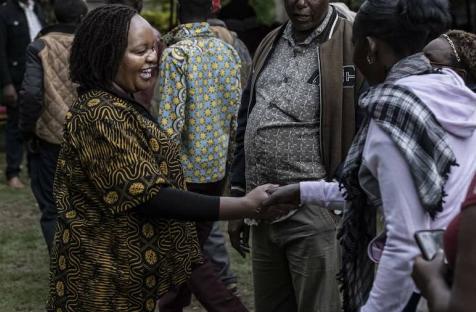
Nairobi (AFP) – Kenyans have elected a record number of women to positions of power in this month's polls, with the list including seven governors, three senators and 26 MPs, in a step towards gender equality.
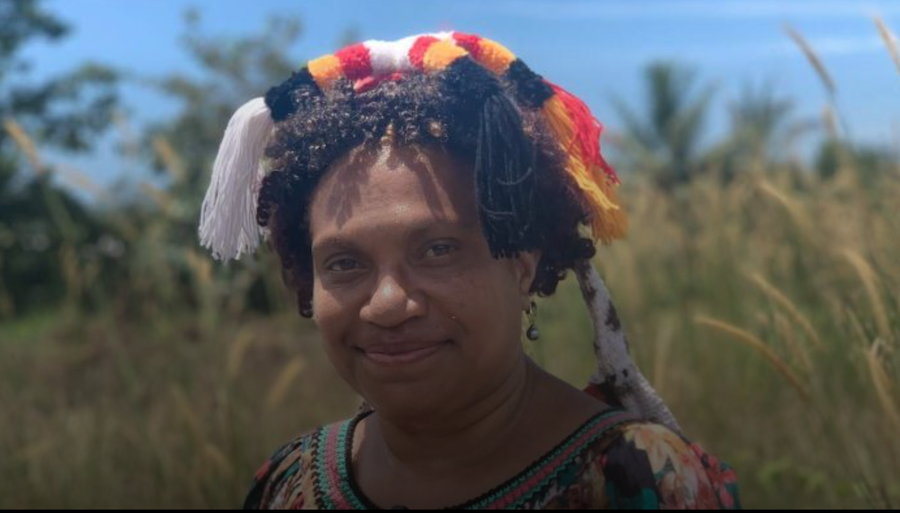
Kessy Sawang has been elected as MP for Madang Rai Coast and joins Rufina Peter as the second woman admitted to PNG's parliament this election.
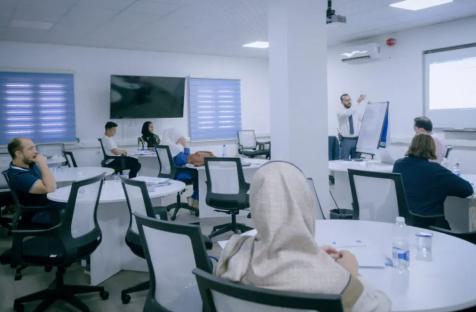
On Sunday morning, the activities of the training program “Monitoring Violence against Women in Elections in Libya” were launched.

A conversation between Curt (Wellington) and Diane Ballantyne, councillor for Wellington County about the barriers female candidates face.
The Kaduna state Resident Electoral Commissioner, Independent National Electoral Commission (INEC), Dr. Asmau Maikudi, has stated that 35 women are among the various political parties’ candidates for the 2023 general elections in Kaduna state.
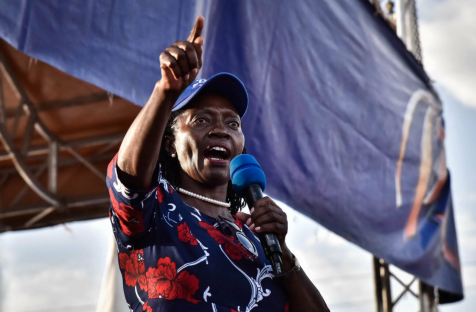
Martha Karua may become Kenya’s most senior woman ever but feminists fear the compromises that will be forced on her.
In order to promote women’s role in municipal politics, FCM has created a Standing Committee on Increasing Women’s Participation in Municipal Government.
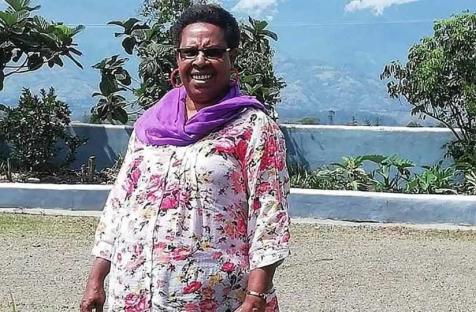
Rufina Peter is just the eighth woman elected in Papua New Guinea. But the economist has been battling for her place in society since she was a child.