Barriers to women’s political participation in Vanuatu
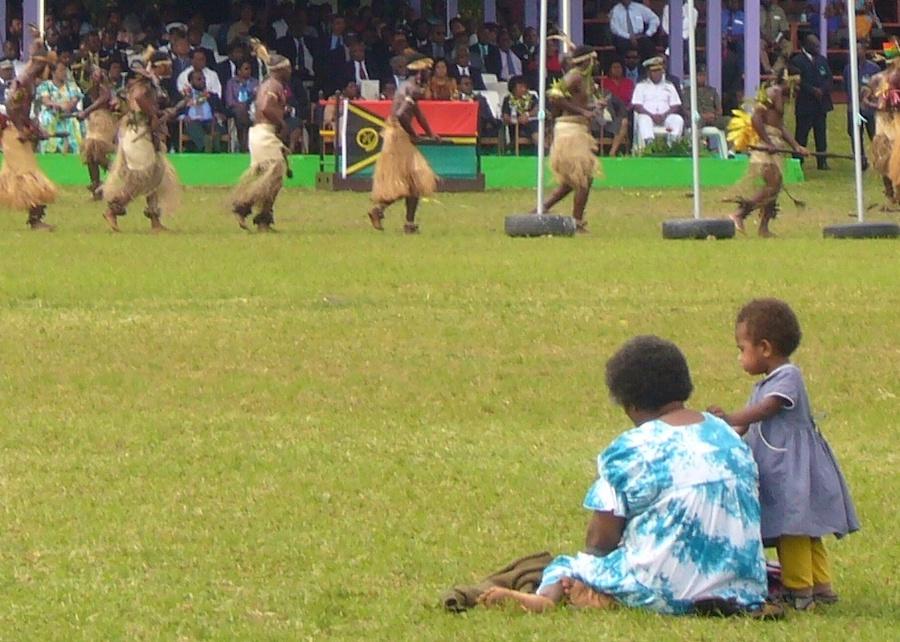
The way politics is played in Melanesian countries has very little national inclusivity about it – in terms of participation by and representation of both men and women at the national level.
The right to vote and the right to stand for election are two fundamental elements of democracy. Notably, many countries did not afford women the right to vote until the 20th Century. Even today, universal suffrage is not a given right in all countries, and women often face obstacles that undermine their participation in political and electoral processes. There are various ways to support women in overcoming these obstacles. Such methods include revising the electoral system used, applying affirmative action mechanisms such as quotas, improving voter education for women and training political candidates. These are a few of the modes available to strengthen women’s political participation .Photo©Jens Franssen
The way politics is played in Melanesian countries has very little national inclusivity about it – in terms of participation by and representation of both men and women at the national level.
MUTARE, Zimbabwe (IDN) — Cyberbullying and online sexual harassment are some dilemmas that young women trying to rise in Zimbabwe’s patriarchal and male-dominated political space face.
As Kenya prepares to vote in a new president next month, we take a closer look at the role of women in the country’s politics. In Uganda, we bring you a report on efforts to respond to a major hunger crisis in the country’s northeast.
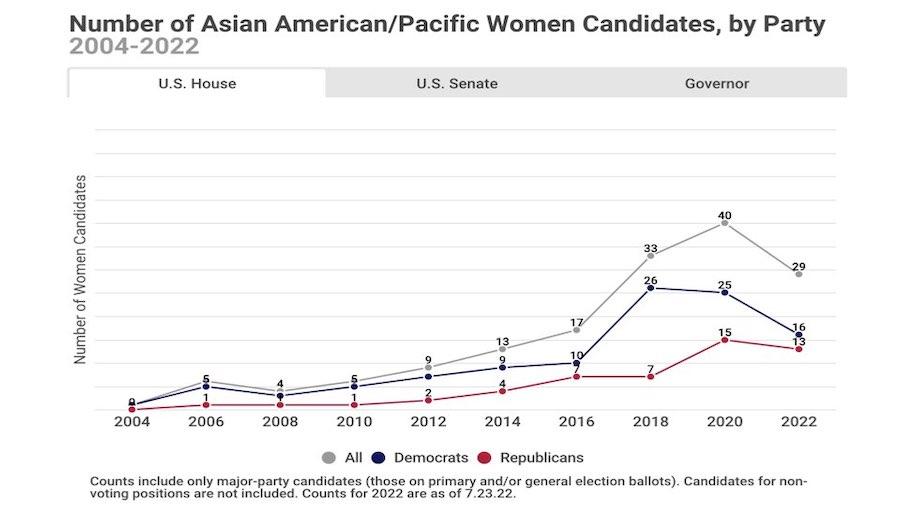
The 2022 midterms have led to some new records for women candidates for the U.S. House, U.S. Senate, and governor in various race and ethnicity groups, according to an analysis of candidate filings from CAWP.
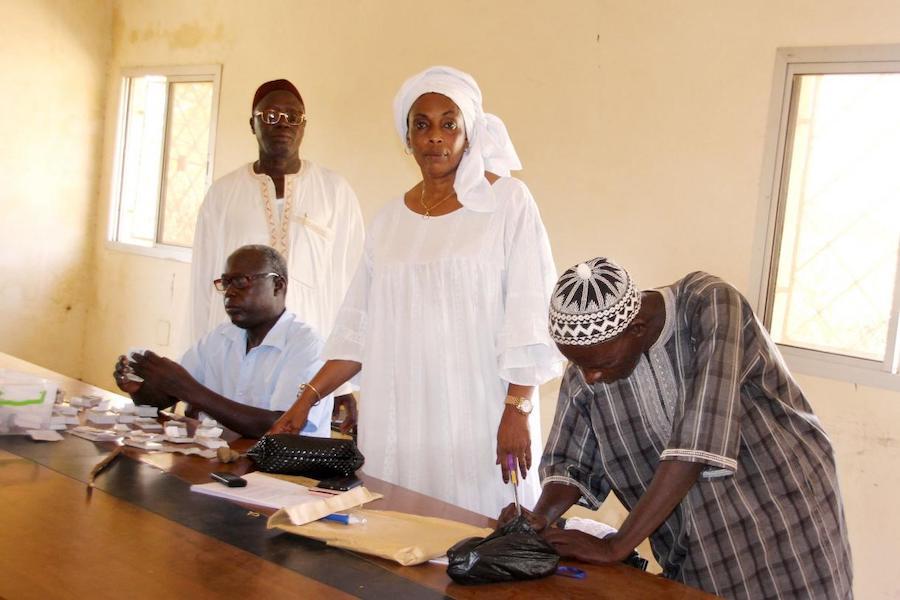
In the months of July and August, Senegal and Kenya will hold their general elections. However, the big question remains: Where do Senegalese and Kenyan women stand on their quest to parliamentary mandates and political offices?
Satoko Kishimoto sets sights on ‘radical change’ in Japan, where only 2% of local government leaders are women.
Women MPs like Esther Passaris face threats, slurs and body-shaming on social media ahead of Aug. 9 vote.
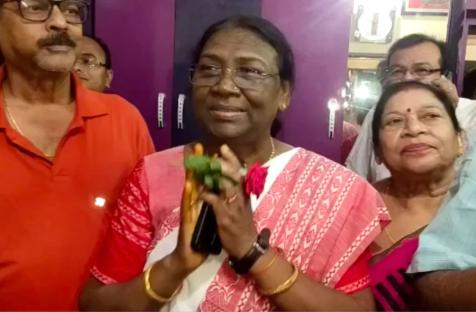
NEW DELHI — About 5,000 Indian lawmakers on Thursday elected Draupadi Murmu, an Indigenous tribal woman with humble roots, to be the country’s next president, marking a breakthrough for one of India’s marginalized minority groups.