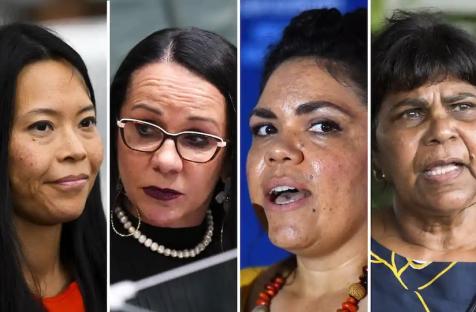
May 25, 2022
"Work in progress": Australia’s new parliament the most diverse yet
Diversity advocates welcome new additions but say there is still a long way to go before parliament reflects Australian society
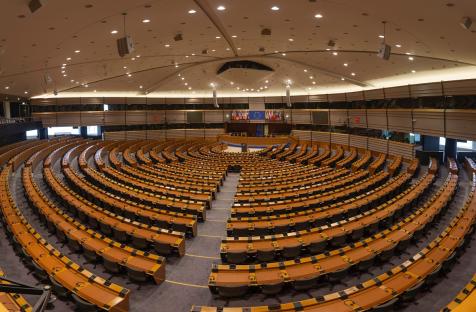
The right to vote and the right to stand for election are two fundamental elements of democracy. Notably, many countries did not afford women the right to vote until the 20th Century. Even today, universal suffrage is not a given right in all countries, and women often face obstacles that undermine their participation in political and electoral processes. There are various ways to support women in overcoming these obstacles. Such methods include revising the electoral system used, applying affirmative action mechanisms such as quotas, improving voter education for women and training political candidates. These are a few of the modes available to strengthen women’s political participation .Photo©Jens Franssen

Diversity advocates welcome new additions but say there is still a long way to go before parliament reflects Australian society
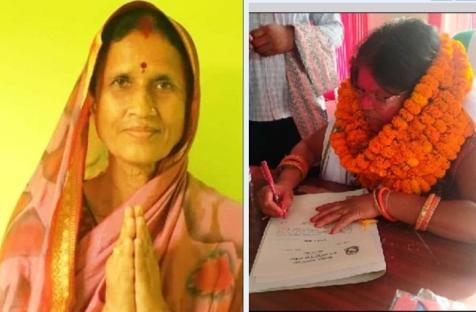
The result announcement of elections held on May 13 have revealed two women candidates as the winners of mayoral elections in two local levels of Rautahat district.
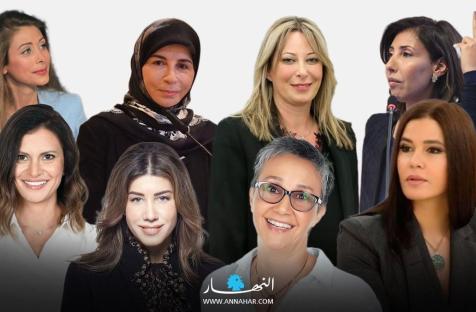
The Minister of Interior, Bassam Al-Mawlawi, officially announced the results of the parliamentary elections in which 1,043 candidates competed for seats of power.

Because “women’s issues” have been in the headlines over the last year, it may seem strange they have not been more prominent in the election campaign.
The political landscape in Asia has been very dynamic lately, but it is a disappointment to me personally that events have not been kind to women.

In this special Women in Politics series for the Australia-PNG Network, the Lowy Institute's Jessica Collins sits down with prominent women from Papua New Guinea to discuss the deep-seated challenge of wom

As a high number of women leave the National Assembly, things are slow to change — but getting better.
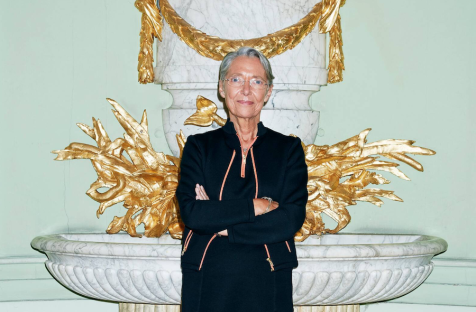
Centrist politician Elisabeth Borne was appointed France’s new prime minister on Monday, becoming the second woman to hold the post in the country.