April 11, 2022
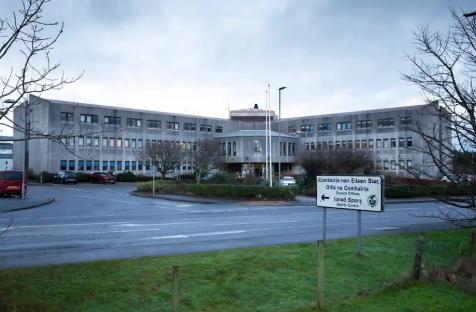
Only eight women stand in all-male Western Isles council elections
Officials and activists had urged more women to stand after none of the female candidates were elected in 2017.
The right to vote and the right to stand for election are two fundamental elements of democracy. Notably, many countries did not afford women the right to vote until the 20th Century. Even today, universal suffrage is not a given right in all countries, and women often face obstacles that undermine their participation in political and electoral processes. There are various ways to support women in overcoming these obstacles. Such methods include revising the electoral system used, applying affirmative action mechanisms such as quotas, improving voter education for women and training political candidates. These are a few of the modes available to strengthen women’s political participation .Photo©Jens Franssen

Officials and activists had urged more women to stand after none of the female candidates were elected in 2017.

This document presents the result of a series of surveys conducted by Abacus Data in January 2022, about women in politics and the future of women in politics.

It took Nagaland 45 years to elect its second woman parliamentarian, and the state is yet to elect any woman in the 60-member Assembly.

Women politicians were challenged to use media effectively as they pursue political life fighting gender bias and stereotypes ahead of well publicised weekend by elections whose results have now been made public. Gender Media Connect (GMC) an organisation run by
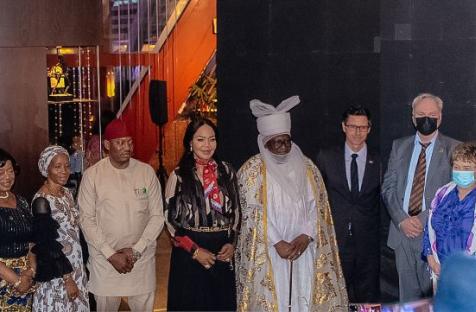
Within the context of the ongoing Constitutional Review Process and the background of extremely low participation and representation of women in Nigerian politics, the Government of Canada in partnership with UN Women signed a grant agreement of $8 Million Canadian Do
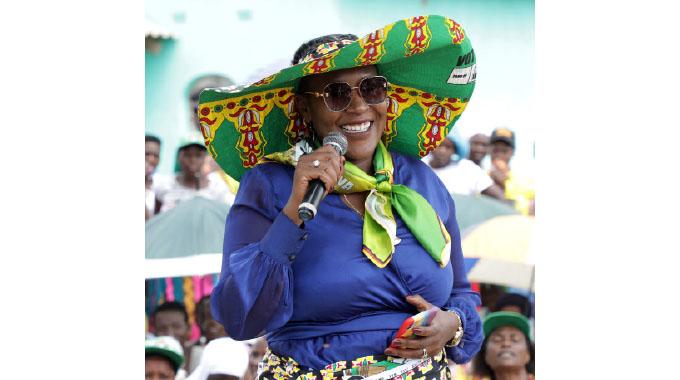
The March 26 by elections ended on a high note, amid reports that there were no reported cases of violence at all polling stations across Zimbabwe.

Women across Sierra Leone have through a communique submitted to the Speaker of Parliament called for the creation of a Women's Fund to enhance effective political participation and to also advance the interests and concerns of women for the development of the country
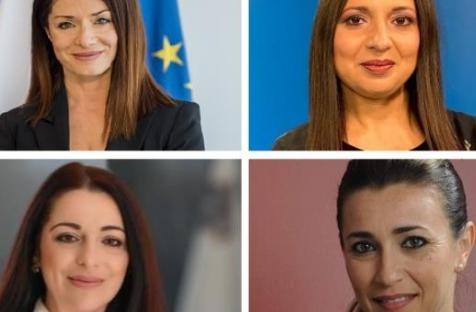
Only four women were elected to Parliament in Malta’s general election, down from the eight female MPs elected in 2017.