Political violence against women: A case from the Central African Republic

Sitting at her desk with the Central African flag behind her, Beatrice Epaye’s sustained gaze hints at courage and determination. And she has both in quantities.
The right to vote and the right to stand for election are two fundamental elements of democracy. Notably, many countries did not afford women the right to vote until the 20th Century. Even today, universal suffrage is not a given right in all countries, and women often face obstacles that undermine their participation in political and electoral processes. There are various ways to support women in overcoming these obstacles. Such methods include revising the electoral system used, applying affirmative action mechanisms such as quotas, improving voter education for women and training political candidates. These are a few of the modes available to strengthen women’s political participation .Photo©Jens Franssen

Sitting at her desk with the Central African flag behind her, Beatrice Epaye’s sustained gaze hints at courage and determination. And she has both in quantities.
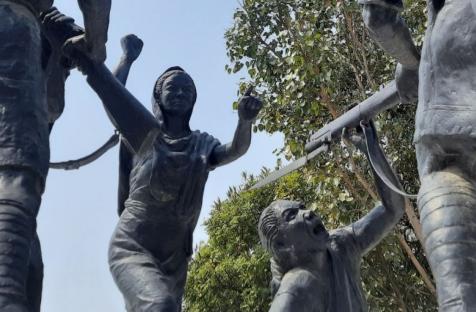
At the fore on social and economic fronts, women are in the backseat when it comes to political representation.
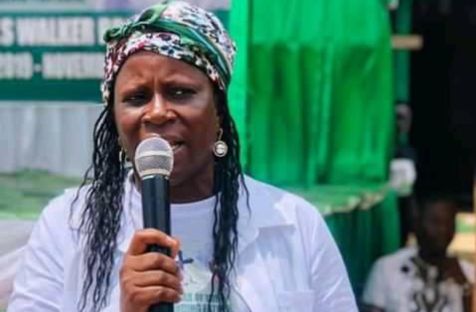
The YWCA in collaboration with the Women Working Group on women’s peace and security has ended a three-day workshop here, geared at preparing women to participate in the 2023 Presidential and general elections as a means of breaking the barriers of women’s participati
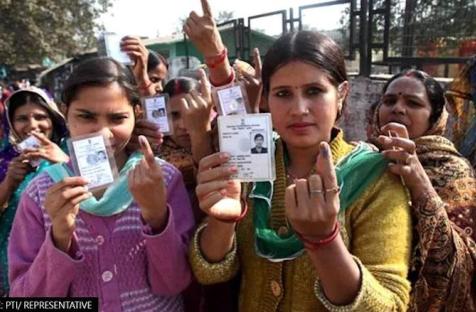
In the recently concluded single-phase Uttarakhand election women voters outnumbered men by more than 4 per cent. Goa had the highest voters overall.
Some of the countries in the Melanesian region has a low percentage of women in the Parliament when compared to the global average.
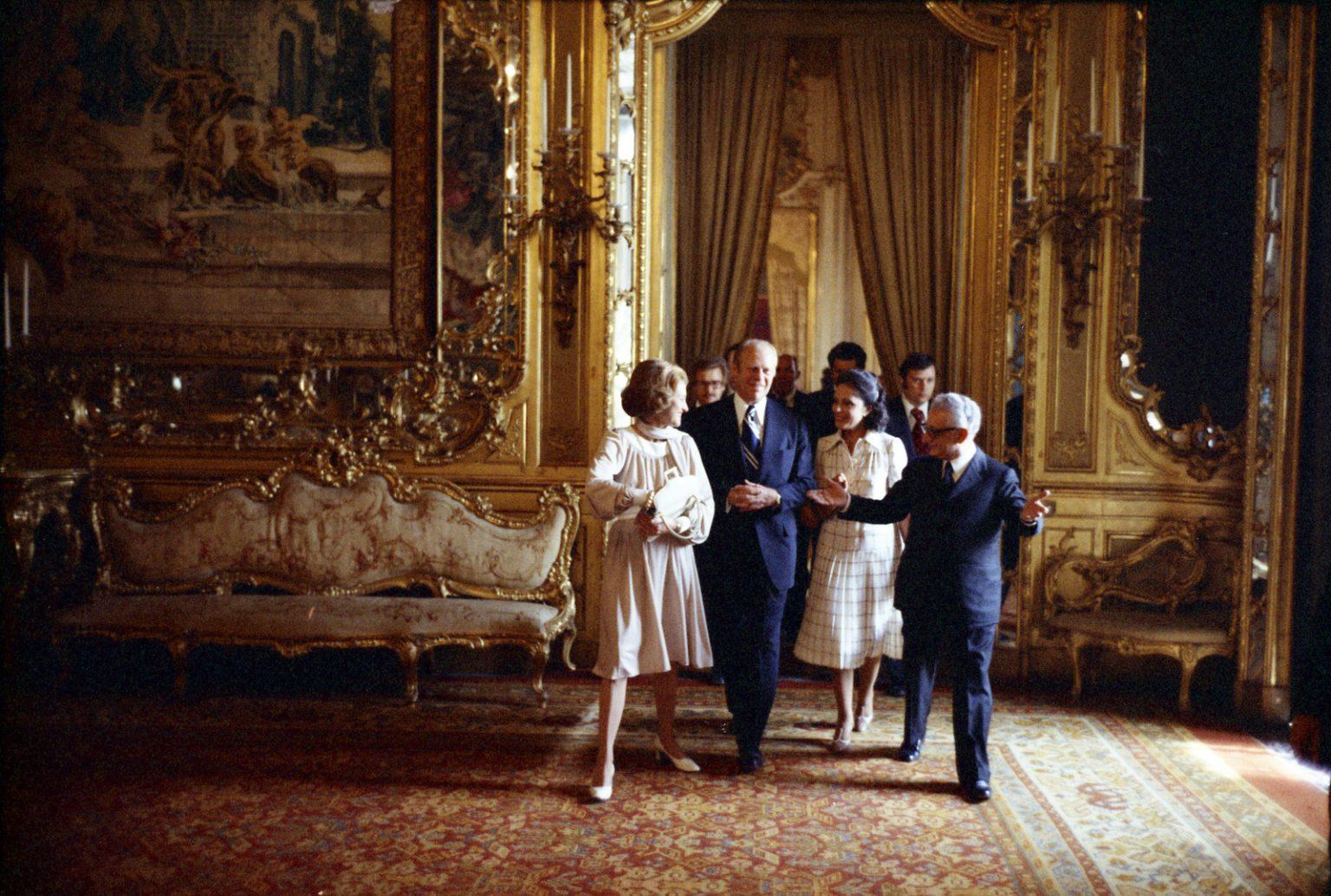
Italy’s new President, once again, is not a woman. But the problem is not just cultural.
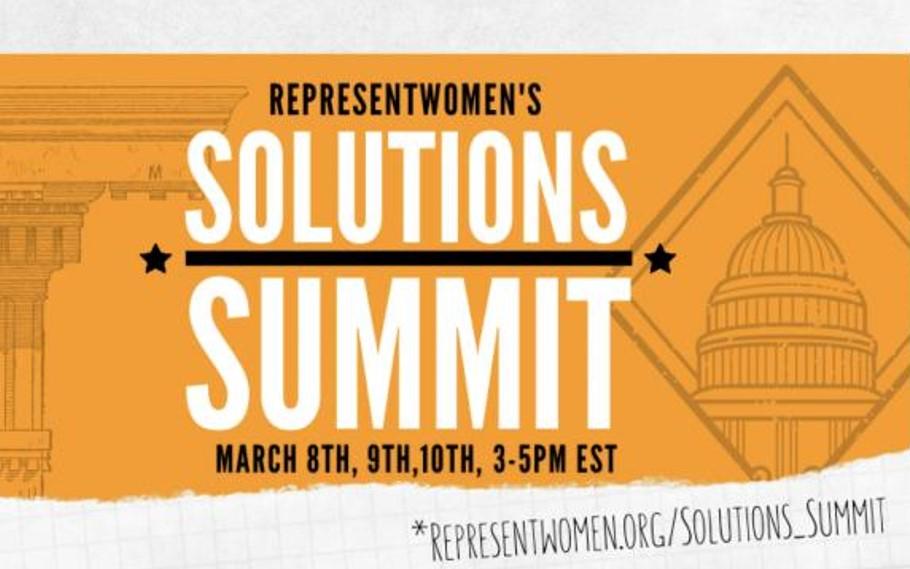
RepresentWomen's inaugural Solutions Summit brings together experts and leaders in election administration, voting rights, and democracy reform who are working on innov

New Gallup polling data shows 7.1 percent of the U.S. population identifies as LGBTQ – up from 5.6 percent in 2020.
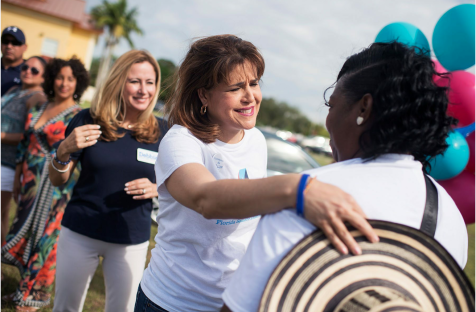
At least a thousand men have been governor of a U.S. state; just 45 women have, and only two of them Latinas. This year, their presence on primary ballots is making a difference.