The South Korean election’s gender conflict and the future of women voters
By Darcie Draudt
By Darcie Draudt
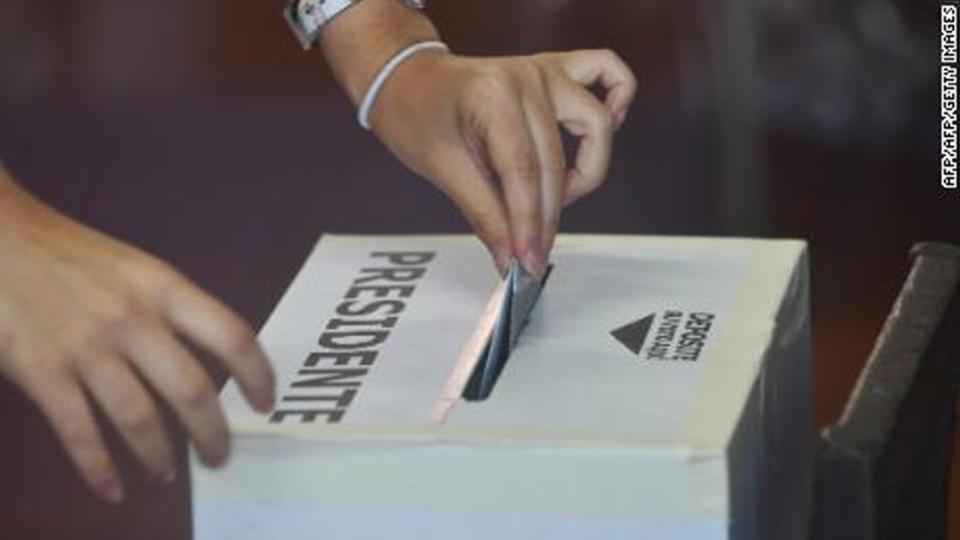
The right to vote and the right to stand for election are two fundamental elements of democracy. Notably, many countries did not afford women the right to vote until the 20th Century. Even today, universal suffrage is not a given right in all countries, and women often face obstacles that undermine their participation in political and electoral processes. There are various ways to support women in overcoming these obstacles. Such methods include revising the electoral system used, applying affirmative action mechanisms such as quotas, improving voter education for women and training political candidates. These are a few of the modes available to strengthen women’s political participation .Photo©Jens Franssen
By Darcie Draudt
By Darcie Draudt
By Roudabeh Kishi
By Roudabeh Kishi
Pakistan’s constitution makes no distinction between genders but women in parliament know that’s not the reality in politics.
By Amanda Brown Lierman
The country is preparing to hold by-elections on March 26, and the list of candidates shows that there are fewer female candidates than males. Women are said to face several hurdles such as lack of finances to support their electoral campaigns and violence.
By Denis Macshane
By Denis Macshane
Attacks on women in politics are on the rise around the world.
Women remain underrepresented in political leadership in the United States and beyond.
When voters perceive women political candidates to be less electable than men they are likely to vote for a man instead. But there are ways to overcome these often-exaggerated beliefs, according to new Stanford research.