Voting began on Friday morning in Ireland's general election amid a tight race between the incumbent coalition parties
The right to vote and the right to stand for election are two fundamental elements of democracy. Notably, many countries did not afford women the right to vote until the 20th Century. Even today, universal suffrage is not a given right in all countries, and women often face obstacles that undermine their participation in political and electoral processes. There are various ways to support women in overcoming these obstacles. Such methods include revising the electoral system used, applying affirmative action mechanisms such as quotas, improving voter education for women and training political candidates. These are a few of the modes available to strengthen women’s political participation .Photo©Jens Franssen
Voting began on Friday morning in Ireland's general election amid a tight race between the incumbent coalition parties
WINDHOEK, NAMIBIA — Namibia extended voting for a second time Thursday with the opposition crying foul after logistical failures prevented many people from casting their ballots in the closely fought election.
As we approach the 2024 election, Women for Election is calling for a crucial shift in Ireland’s political landscape, urging voters in Wexford and Wicklow-Wexford to support the record number of female candidates standing for election.
Women are "grossly under-represented" in Irish politics and the political system is "stacked in men's favour", a seminar exploring female representation in local politics has heard.
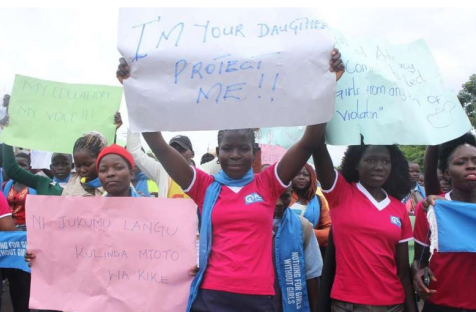
Women politicians have bemoaned rising violence against women in politics which discourages their participation in key decision-making processes.
A record number of women candidates are registered to stand in this month's general election in the Republic of Ireland, according to a campaign group.
Since Bill Clinton’s election in 1996, a majority of women voters have backed Democratic presidential candidates. In contrast, men have generally favored Republican nominees. How might that gender gap play out this election cycle among the nation’s youngest voters?