Datablog | Georgians overwhelming see gender equality as important to country’s future success
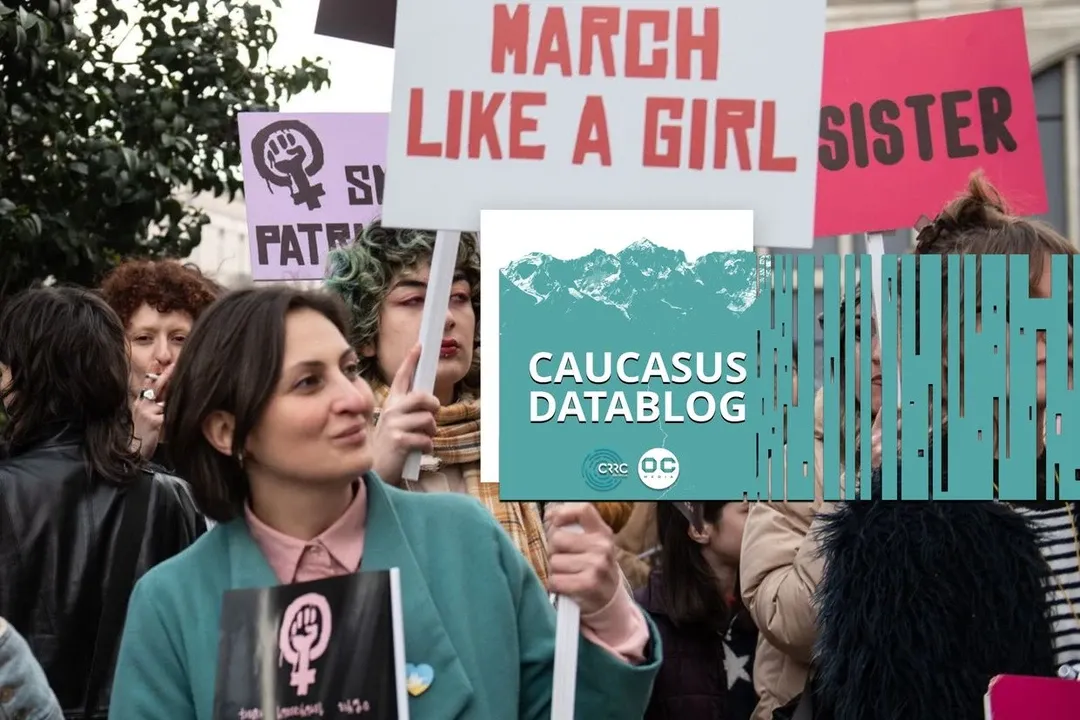
A recent UN Women and CRRC Georgia study has found that the vast majority of Georgians find it important to work towards a more equal society.
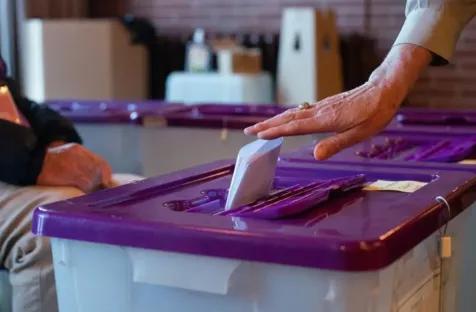
The right to vote and the right to stand for election are two fundamental elements of democracy. Notably, many countries did not afford women the right to vote until the 20th Century. Even today, universal suffrage is not a given right in all countries, and women often face obstacles that undermine their participation in political and electoral processes. There are various ways to support women in overcoming these obstacles. Such methods include revising the electoral system used, applying affirmative action mechanisms such as quotas, improving voter education for women and training political candidates. These are a few of the modes available to strengthen women’s political participation .Photo©Jens Franssen

A recent UN Women and CRRC Georgia study has found that the vast majority of Georgians find it important to work towards a more equal society.

While almost two-thirds of young people in the U.S. support democracy, almost a third view it skeptically and are more inclined to accept authoritarianism, according to a new report on attitudes of youth in America after the 2024 elections.

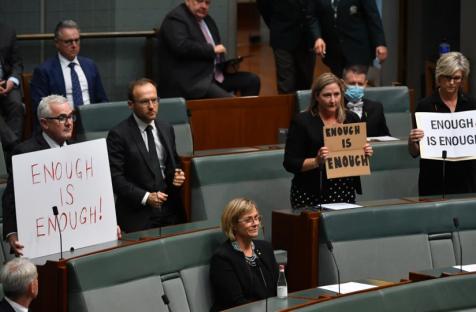
Sexism, harassment and violence against women are rife in parliaments across the Asia-Pacific region, according to a damning report published on Tuesday that lays bare the scale of abuse faced by women in politics.
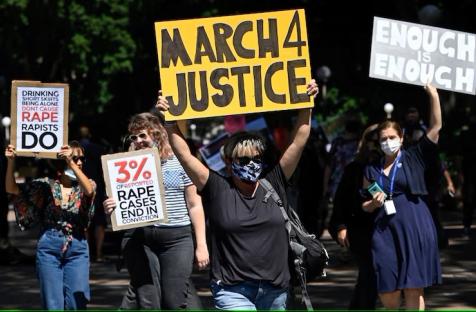
Women in dozens of parliaments across the Asia-Pacific are experiencing significant levels of abuse, violence and harassment, a new report has found, with online abuse a key issue.
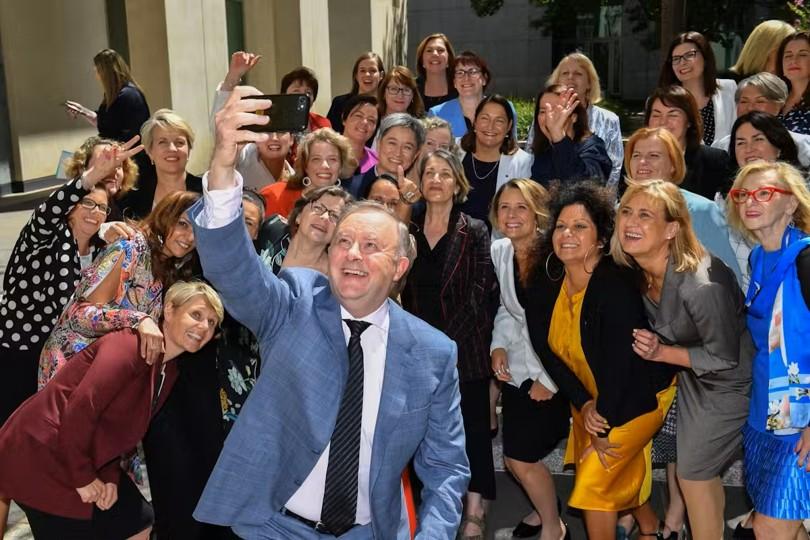
Despite progress towards gender equality in Australian elections, women remain underrepresented among candidates vying for office on May 3.
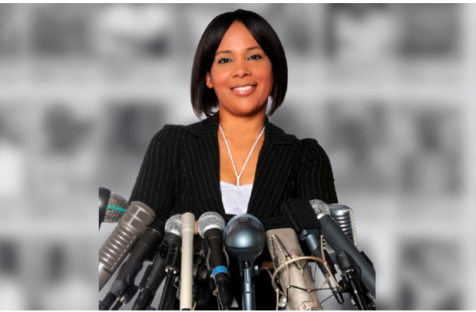
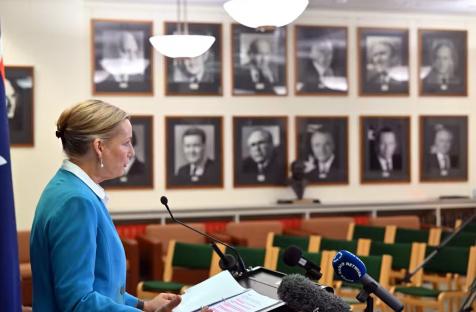
Despite progress towards gender equality in Australian elections, women remain underrepresented among candidates vying for office on May 3.