Domestic responsibilities and social constructs are the biggest hurdles to improving women's participation in politics, a researcher at the University of Indonesia's Politics Review Center (Puskapol UI), Beni Telaumbanua, has said.
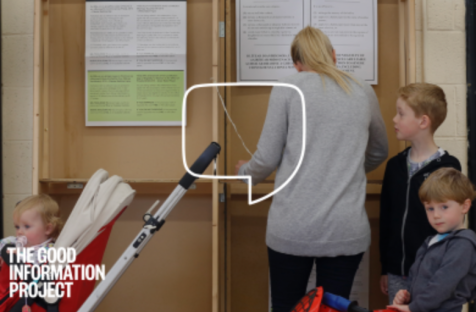
The right to vote and the right to stand for election are two fundamental elements of democracy. Notably, many countries did not afford women the right to vote until the 20th Century. Even today, universal suffrage is not a given right in all countries, and women often face obstacles that undermine their participation in political and electoral processes. There are various ways to support women in overcoming these obstacles. Such methods include revising the electoral system used, applying affirmative action mechanisms such as quotas, improving voter education for women and training political candidates. These are a few of the modes available to strengthen women’s political participation .Photo©Jens Franssen
Domestic responsibilities and social constructs are the biggest hurdles to improving women's participation in politics, a researcher at the University of Indonesia's Politics Review Center (Puskapol UI), Beni Telaumbanua, has said.
Papua New Guinea (PNG) is one of only five countries in the world that have no female members of Parliament (alongside Yemen, Qatar, Micronesia, Vanuatu) and is below the global average of 23% female representation in Parliament.
Zimbabwe is scheduled to hold elections in 18 months’ time, but women are reluctant to have their faces appear on ballot papers.
Women in Turkana County have been locked out of political leadership for many years due to culture.
By Glinda Carr
By Glinda Carr
The dawn of 2022 in Uttar Pradesh, apart from witnessing a fiercely fought battle in the Assembly elections, will also decide the political fate of five women politicians.
Ruwa Romman is entertaining the idea of running for office. The 28-year-old from Duluth envisions herself running on a platform focused on health care, education, social justice and the economy.
Every year, LGBTQ political candidates smash through rainbow ceilings in the fight to represent their communities. 2022 should be no different, with dozens of LGBTQ people already slated to run for both state and federal offices.
Earlier this year, following a string of attacks on women in the Australian Parliament House in Canberra, both verbal and physical, a popular female TV host asked rhetorically whether the easiest place in the country to rape a woman is in Parliament House.