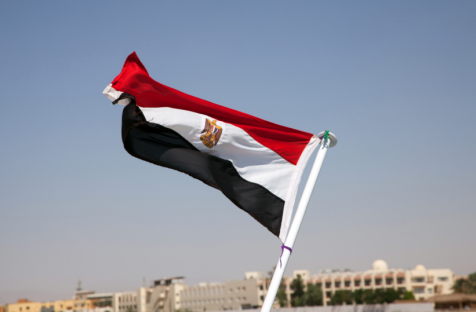
The Role of EMBs in Promoting Women’s Political Participation

This virtual event, co-organized by UNDP and the Electoral Assistance Division of the United Nations Department of Political and Peacebuilding Affairs
The right to vote and the right to stand for election are two fundamental elements of democracy. Notably, many countries did not afford women the right to vote until the 20th Century. Even today, universal suffrage is not a given right in all countries, and women often face obstacles that undermine their participation in political and electoral processes. There are various ways to support women in overcoming these obstacles. Such methods include revising the electoral system used, applying affirmative action mechanisms such as quotas, improving voter education for women and training political candidates. These are a few of the modes available to strengthen women’s political participation .Photo©Jens Franssen

This virtual event, co-organized by UNDP and the Electoral Assistance Division of the United Nations Department of Political and Peacebuilding Affairs

Elections in 2020 were profoundly marked by the COVID-19 pandemic, resulting in delays and cancellations, logistical challenges for candidates and election administrators and often low turnout.


The recent election of Kamala Harris as the first woman vice president of America has ignited the aspirations of countless women in politics globally.
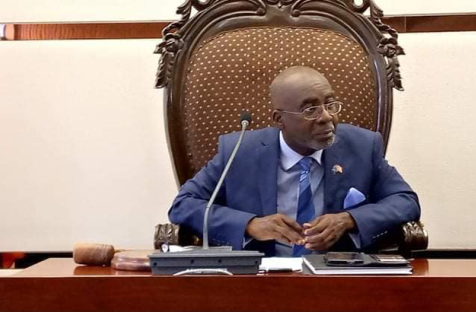
MONROVIA – Campaigns to increase women’s representation in political representation to 30 percent are picking up steam again in the country with Deputy Speaker J.
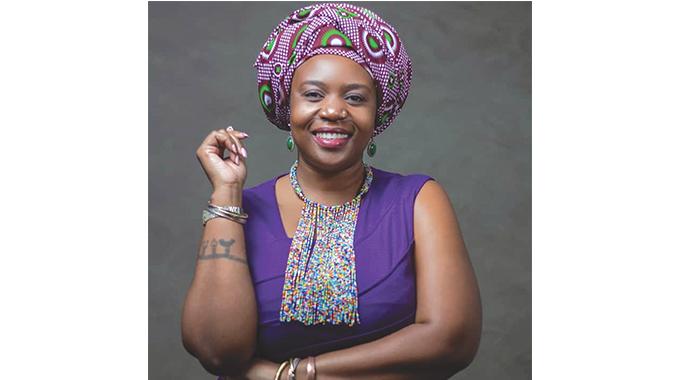
Nduduzo Tshuma, Political Editor

The conventional consensus is that Pakistan lags behind severely in gender equality. However, one area where it has made progress is women in politics. It is one of 70 countries in the world that has had a woman prime minister or president.