Local Government

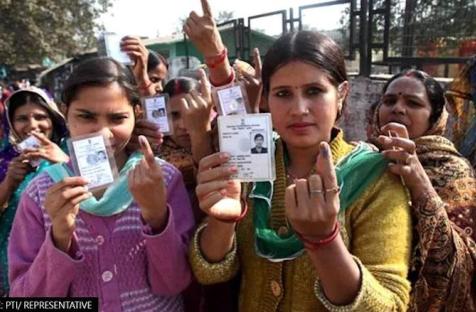
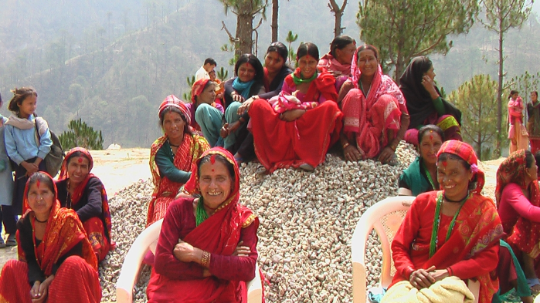
Local governments are in a unique position to contribute to the global struggle for gender equality by improving the status of women around the world. Local Governments are the level of governance closest to the citizens and as service providers and employers have an important role in creating the conditions that encourage women’s political participation. In this special feature, we are collecting knowledge resources, case studies, stories and interviews from women active in local politics.  
USA: New LGBTQ Gallup data reveals enormous gaps in political representation - Victory Institute
March 1, 2022
USA: New LGBTQ Gallup data reveals enormous gaps in political representation

New Gallup polling data shows 7.1 percent of the U.S. population identifies as LGBTQ – up from 5.6 percent in 2020.

February 28, 2022
‘The bench is loaded’: A record number of Latinas are running for US governor

At least a thousand men have been governor of a U.S. state; just 45 women have, and only two of them Latinas. This year, their presence on primary ballots is making a difference.
Gender equality in Colombia: Access to justice and politics at the local level

Back
February 25, 2022

Gender equality in Colombia: Access to justice and politics at the local level

This report assesses women’s access to justice and women’s political participation in parliament, local councils and civil society organisations in Colombia.
This report assesses women’s access to justice and women’s political participation in parliament, local councils and civil society organisations in Colombia.

Women in local government

Back
February 24, 2022

Women in local government

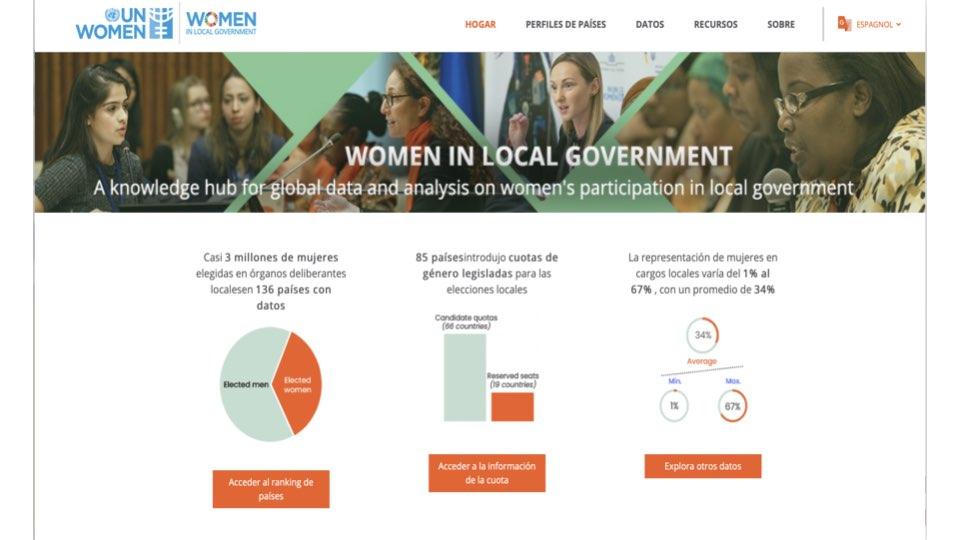
The Women in Local Government website is the outcome of a multi-year project undertaken by UN Women to generate knowledge on women’s representation in local government and improve its
The Women in Local Government website is the outcome of a multi-year project undertaken by UN Women to generate knowledge on women’s representation in local government and improve its

Women are more likely to get elected to local bodies than to national parliaments

Back
February 16, 2022

Women are more likely to get elected to local bodies than to national parliaments

By Akshi Chawla

As women elected officials move from local politics towards the subnational and national levels, they begin to be replaced by more and more men.

By Akshi Chawla

As women elected officials move from local politics towards the subnational and national levels, they begin to be replaced by more and more men.

Representative budgeting: women mayors and the composition of spending in local governments

Back
February 16, 2022

Representative budgeting: women mayors and the composition of spending in local governments

One potential consequence of increasing women’s numeric representation is that women elected officials will behave differently than their men counterparts and improve women’s substantive representation.

One potential consequence of increasing women’s numeric representation is that women elected officials will behave differently than their men counterparts and improve women’s substantive representation.

In Pakistan, gendered politics prevail

Back
February 10, 2022

In Pakistan, gendered politics prevail

Pakistan’s constitution makes no distinction between genders but women in parliament know that’s not the reality in politics.

Pakistan’s constitution makes no distinction between genders but women in parliament know that’s not the reality in politics.

Women’s representation and implications for fairness, trust, and performance in local government: a survey experiment in Sri Lanka

Back
February 9, 2022

Women’s representation and implications for fairness, trust, and performance in local government: a survey experiment in Sri Lanka

How do quotas for women in Sri Lanka’s local government institutions affect key governance indicators such as perceived fairness, institutional trust, and perceived performance?

How do quotas for women in Sri Lanka’s local government institutions affect key governance indicators such as perceived fairness, institutional trust, and perceived performance?