Women in Municipal Government

One of NLC’s five constituency groups, WIMG brings together female municipal leaders to network and share best practices.
Local governments are in a unique position to contribute to the global struggle for gender equality by improving the status of women around the world. Local Governments are the level of governance closest to the citizens and as service providers and employers have an important role in creating the conditions that encourage women’s political participation. In this special feature, we are collecting knowledge resources, case studies, stories and interviews from women active in local politics.
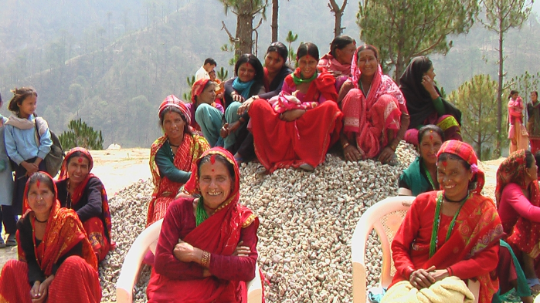
One of NLC’s five constituency groups, WIMG brings together female municipal leaders to network and share best practices.

Pope Francis has appointed the first-ever woman to head the governorate of the Vatican City. Sister Raffaella Petrini will serve as secretary-general of the Governorate and become the highest-ranking woman in the world's smallest state.

Michelle Wu has made history after being elected as mayor of Boston, becoming the first woman and person of color elected to the position in almost 200 years.

New York leaders ingratiated themselves with the Westchester Black Women's Political Caucus on Sunday in Yonkers, as the organization celebrated its 45th anniversary and showcased its rise to power.

This year marks the 100th anniversary of women's suffrage in Sweden, practiced for the first time in September 1921.
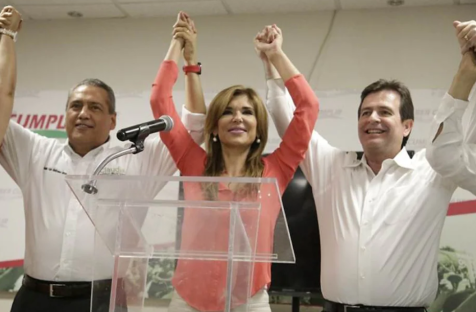
HERMOSILLO, Mexico — When Claudia Pavlovich ran for governor of Sonora, a vast swath of cowboy country south of Arizona, not a single Mexican state was led by a woman. Fewer than 10 percent of the nation’s mayors were female.
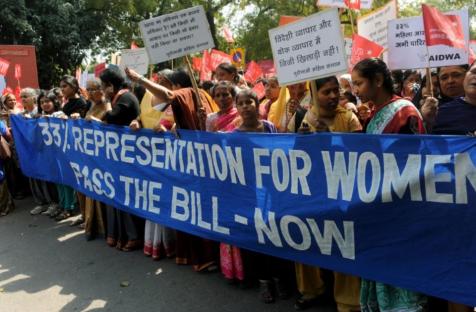
India ranks 148th in a list of 193 countries based on the percentage of elected women representatives in their national parliaments.

The global report on Gender Equality in Public Administration (GEPA) report provides an overview of key trends and analysis on women’s participation and leadership in public administration, based on evidence from UNDP and the University of Pittsburgh