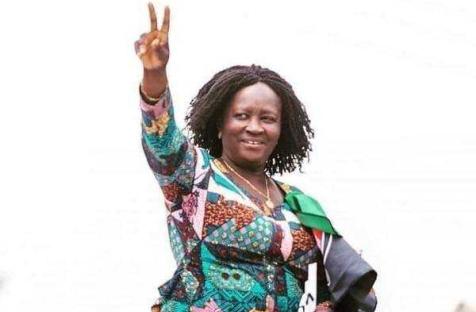
A groundbreaking handbook titled Beyond Numbers: Stories of Gender Equality in and through Parliaments
Democracy and the equal participation of men and women in the political arena are closely intertwined. No parliament or any decision-making body can claim to be representative without the participation of both men and women. As stated in the Universal Declaration on Democracy adopted by the Inter-Parliamentary Union’s Member Parliaments in 1997, "The achievement of democracy presupposes a genuine partnership between men and women in the conduct of the affairs of society in which they work in equality and complementarity, drawing mutual enrichment from their differences."
Recent years have seen a steady increase in the number of women in parliament, though the world average of less than 22 percent remains far from the goal of parity between women and men. The election of women to the highest positions of state and government in several countries has also contributed to the changing face of politics.
While the road to election is a difficult one, the challenges for women do not stop there. Once women enter parliament or other bodies, they are faced with many new challenges. Parliament is traditionally a male-oriented domain where the rules and practices have been written by men. It is, therefore, an ongoing challenge to transform parliament into a gender-sensitive environment, to ensure that actions are gender-sensitive and to guarantee that gender is mainstreamed throughout the legislature.
A groundbreaking handbook titled Beyond Numbers: Stories of Gender Equality in and through Parliaments
A research study by Voice of Women Radio has shown why women don’t vote for female political aspirants in Nigeria.
Women in politics receive twice as many sexist comments on social media as their male colleagues, writes Het Laatste Nieuws on Tuesday. This also applies to local councillors and politicians with an immigrant background.
A record number of women are expected to run in the next general election but insults and misogyny make the job of parties more difficult to encourage women to enter politics.
New Prime Minister Shigeru Ishiba on Tuesday named two women ministers to his Cabinet, down from five in the outgoing administration.
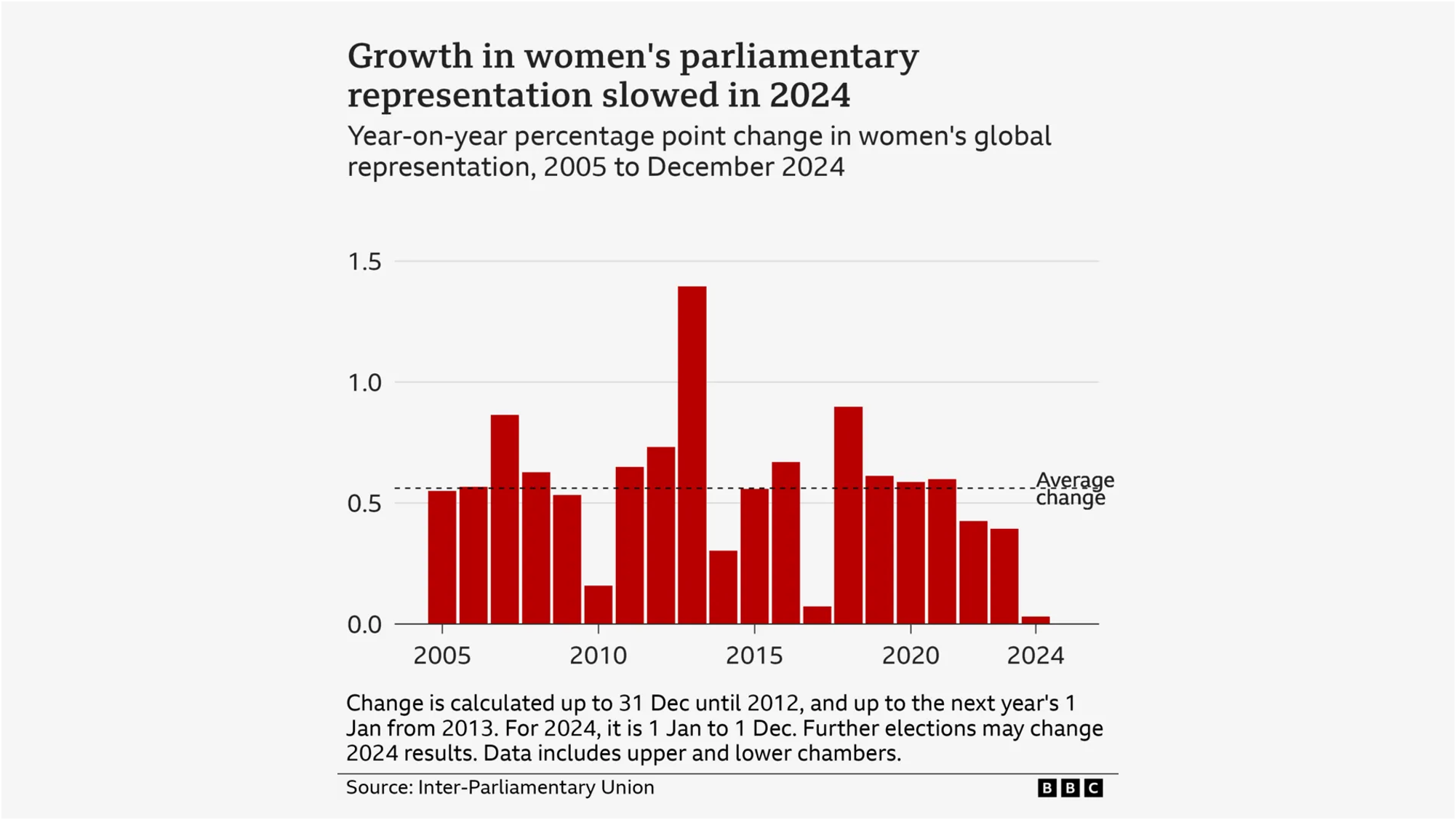
UNITED NATIONS 25 September 2024 (IDN) — The first eight months of 2024—described as a “super election year”—have seen limited progress in women’s representation in parliaments worldwide.
In a discussion with The Regulatory Review, globally recognized women’s human rights expert Rangita de Silva de Alwis offers her thoughts on the