February 6, 2025
Where a strongman failed, women are now fueling a democratic revival
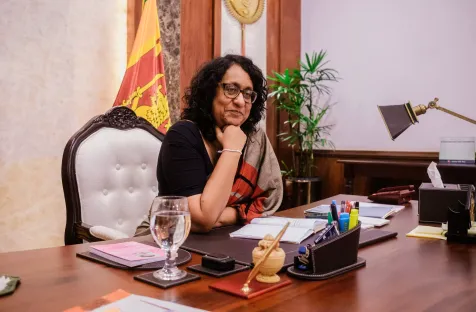
COLOMBO, Sri Lanka – It was a brief remark during a mundane session of parliament.
Democracy and the equal participation of men and women in the political arena are closely intertwined. No parliament or any decision-making body can claim to be representative without the participation of both men and women. As stated in the Universal Declaration on Democracy adopted by the Inter-Parliamentary Union’s Member Parliaments in 1997, "The achievement of democracy presupposes a genuine partnership between men and women in the conduct of the affairs of society in which they work in equality and complementarity, drawing mutual enrichment from their differences."
Recent years have seen a steady increase in the number of women in parliament, though the world average of less than 22 percent remains far from the goal of parity between women and men. The election of women to the highest positions of state and government in several countries has also contributed to the changing face of politics.
While the road to election is a difficult one, the challenges for women do not stop there. Once women enter parliament or other bodies, they are faced with many new challenges. Parliament is traditionally a male-oriented domain where the rules and practices have been written by men. It is, therefore, an ongoing challenge to transform parliament into a gender-sensitive environment, to ensure that actions are gender-sensitive and to guarantee that gender is mainstreamed throughout the legislature.
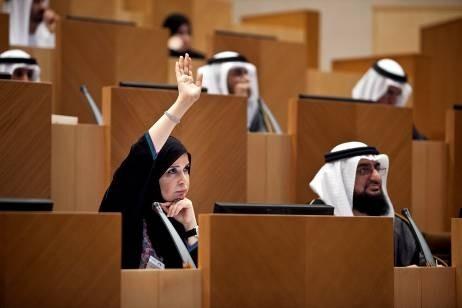
COLOMBO, Sri Lanka – It was a brief remark during a mundane session of parliament.

This article by Fjola Zlatku was first published in Albanian by Portalb.mk and translated into English

Among the most pressing issues we face today is the persistent harassment of women in politics and government — a problem that undermines both the integrity of public service and the diversity of leadership our communities desperately need

Among the most pressing issues we face today is the persistent harassment of women in politics and government — a problem that undermines both the integrity of public service and the diversity of leadership our communities desperately need
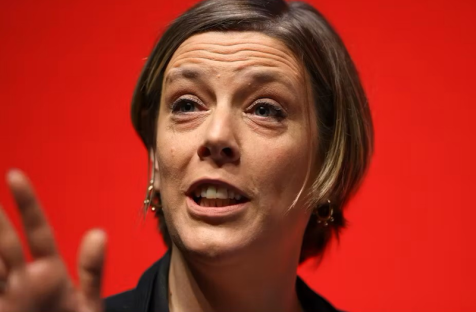
British MP Jess Phillips describing the online attacks she has received from Elon Musk in recent days as “very, very, very tiring” will have struck a chord with many women.
Women have emerged as a significant vote bank in the last few elections in India. Despite that, political speeches of elected representatives or contestants across parties have consistently displayed an aversion to or prejudice against women.
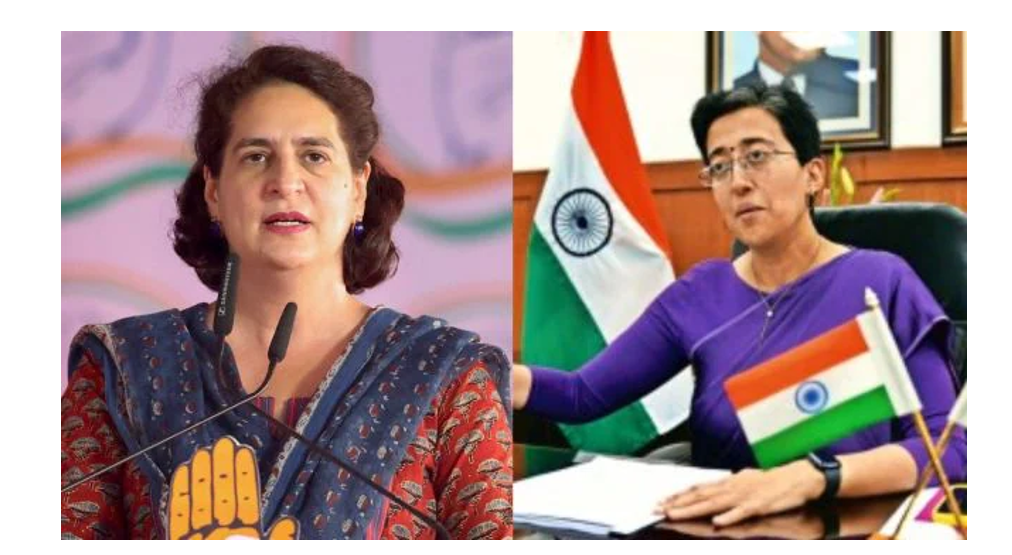
Women have emerged as a significant vote bank in the last few elections in India. Despite that, political speeches of elected representatives or contestants across parties have consistently displayed an aversion to or prejudice against women.
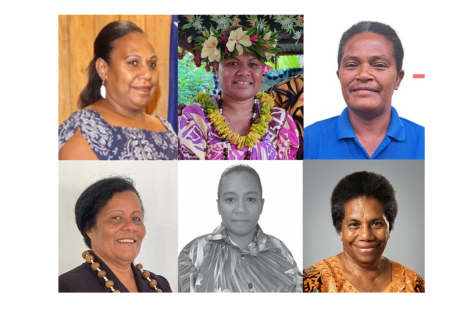
Handicraft market trader Tui Johnson has barely had time to think about politics ahead of Vanuatu’s national election as she struggles to survive after last month’s earthquake.
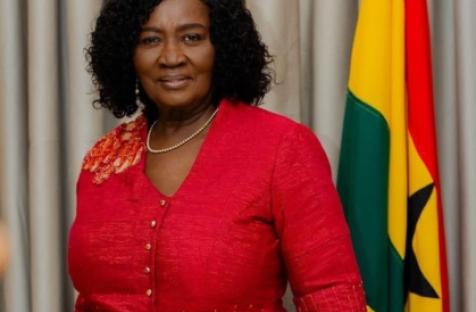
Ghana made history when the National Democratic Congress (NDC) nominated Professor Jane Naana Opoku-Agyemang as the running mate to former President John Dramani Mahama for the 2020 general elections.