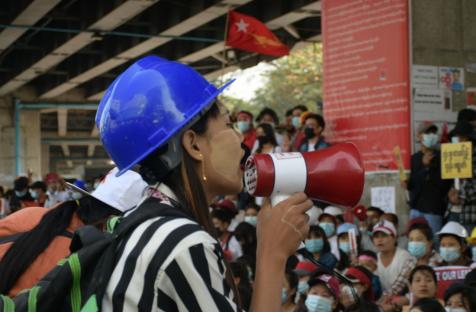
A few remarkable wins for Pacific women in local politics
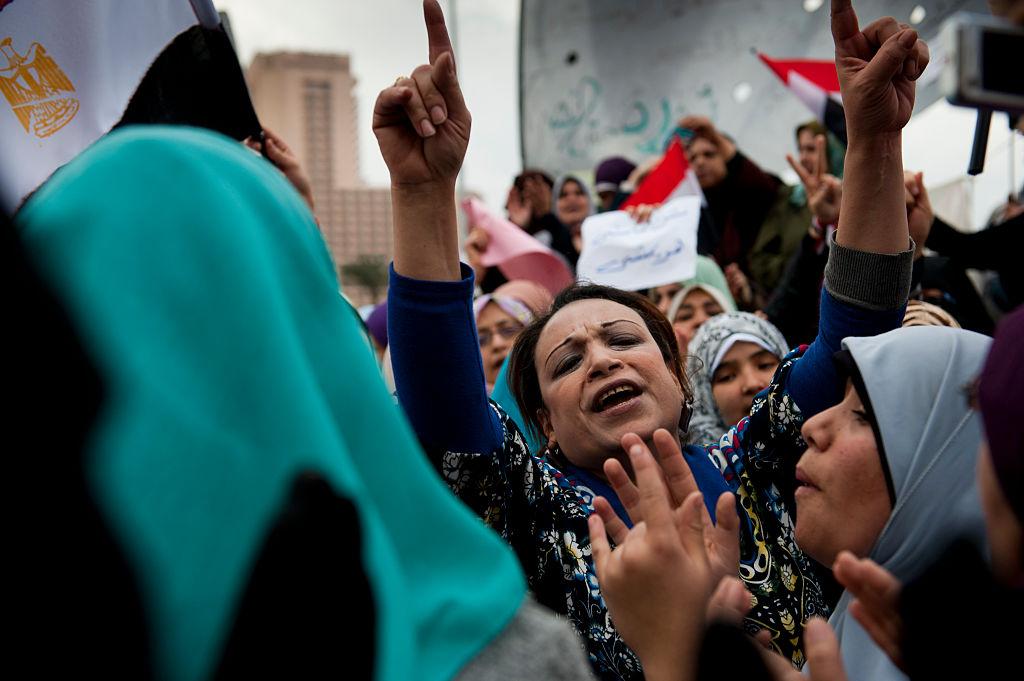
But what is far too often the exception should become the norm.
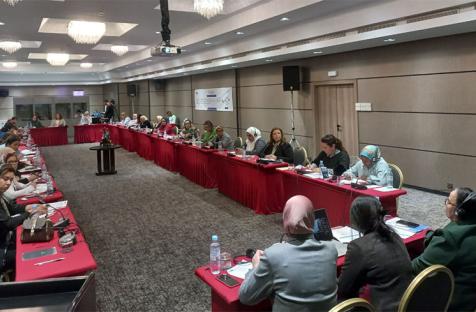
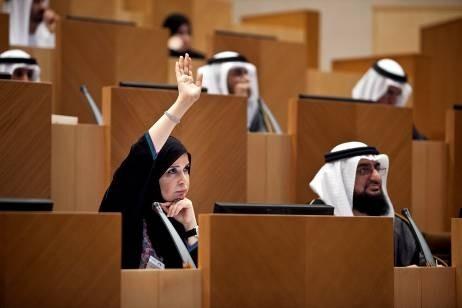
Democracy and the equal participation of men and women in the political arena are closely intertwined. No parliament or any decision-making body can claim to be representative without the participation of both men and women. As stated in the Universal Declaration on Democracy adopted by the Inter-Parliamentary Union’s Member Parliaments in 1997, "The achievement of democracy presupposes a genuine partnership between men and women in the conduct of the affairs of society in which they work in equality and complementarity, drawing mutual enrichment from their differences."
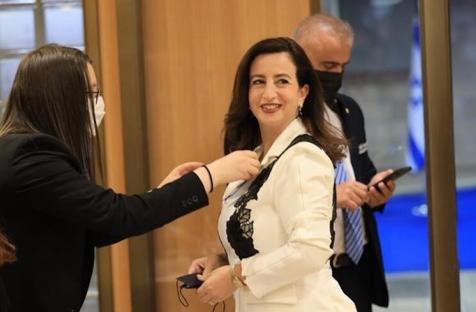
Recent years have seen a steady increase in the number of women in parliament, though the world average of less than 22 percent remains far from the goal of parity between women and men. The election of women to the highest positions of state and government in several countries has also contributed to the changing face of politics.
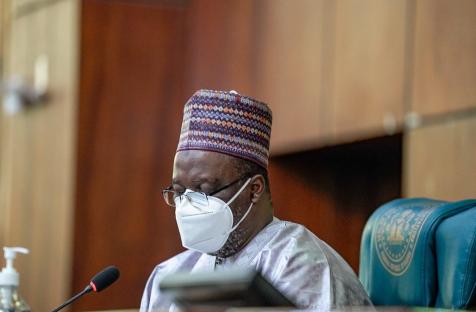
While the road to election is a difficult one, the challenges for women do not stop there. Once women enter parliament or other bodies, they are faced with many new challenges. Parliament is traditionally a male-oriented domain where the rules and practices have been written by men. It is, therefore, an ongoing challenge to transform parliament into a gender-sensitive environment, to ensure that actions are gender-sensitive and to guarantee that gender is mainstreamed throughout the legislature.
But what is far too often the exception should become the norm.
The presidential campaign in sight. To fight against physical and psychological violence against women, the feminists behind the #MeTooPolitique movement announced on Monday February 21 the launch of an observatory on gender-based and sexual violence.
Every decision a parliamentarian makes is a chance to advance gender equality. From choosing a topic for an oversight inquiry to drafting legislative amendments, gender-sensitive scrutiny can help bring inequalities to the surface and find remedies.
This guide is designed to help Members and staff of the Parliament of Malaysia undertake gender-sensitive scrutiny of laws, budgets, and policies.
Högskolan Väst celebrates International Women's Day and as part of this, the Centrum för Hållbarhet (CFH) invites you to a lecture with Rumbidzai Ka
The achievement is part of a long trek toward gender equality in Mongolia’s foreign policy.
This guide is designed to help Members and staff of the Parliament of Bhutan undertake gender-sensitive scrutiny of laws, budgets, and policies.
The Morrison Government has welcomed the latest Gender Balance on Government Boards figures, which show that for the first time, more than half of Australian Government board positions are held by women.
By Akshi Chawla
As women elected officials move from local politics towards the subnational and national levels, they begin to be replaced by more and more men.
By Akshi Chawla
As women elected officials move from local politics towards the subnational and national levels, they begin to be replaced by more and more men.