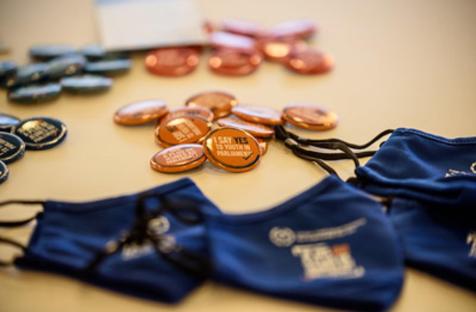
Just over ten years ago, IPU Member Parliaments adopted a landmark resolution on youth participation to encourage the rejuvenation of parliaments. Since then, parliaments from around the world have made some limited progress in its implementation.
Democracy and the equal participation of men and women in the political arena are closely intertwined. No parliament or any decision-making body can claim to be representative without the participation of both men and women. As stated in the Universal Declaration on Democracy adopted by the Inter-Parliamentary Union’s Member Parliaments in 1997, "The achievement of democracy presupposes a genuine partnership between men and women in the conduct of the affairs of society in which they work in equality and complementarity, drawing mutual enrichment from their differences."
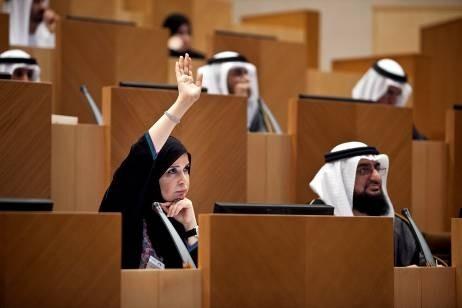
Recent years have seen a steady increase in the number of women in parliament, though the world average of less than 22 percent remains far from the goal of parity between women and men. The election of women to the highest positions of state and government in several countries has also contributed to the changing face of politics.
While the road to election is a difficult one, the challenges for women do not stop there. Once women enter parliament or other bodies, they are faced with many new challenges. Parliament is traditionally a male-oriented domain where the rules and practices have been written by men. It is, therefore, an ongoing challenge to transform parliament into a gender-sensitive environment, to ensure that actions are gender-sensitive and to guarantee that gender is mainstreamed throughout the legislature.
Just over ten years ago, IPU Member Parliaments adopted a landmark resolution on youth participation to encourage the rejuvenation of parliaments. Since then, parliaments from around the world have made some limited progress in its implementation.
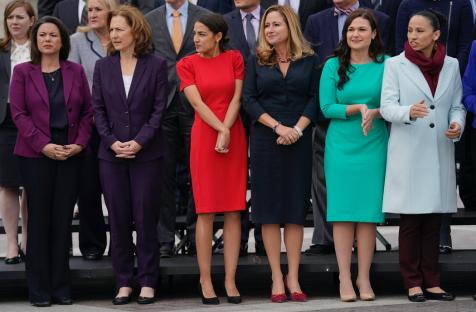
Black women are a powerful force in the American political system, and their political power continues to grow and garner recognition for the force it is.
The threats arrive by mail, email, voicemail and social media. Hateful comments are shouted out of a car window or in line at the grocery store. More than ever before, the threats come home, in the form of protests or strangers circling the block.
The addition of identity types to ACLED data on political violence targeting women sheds new light on the threats to women’s participation in political processes, such as running for or holding office, supporting or voting for political candidates, leading human right
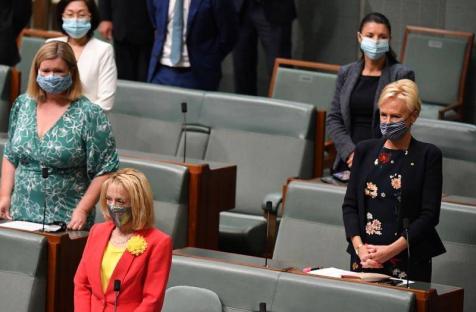
Australians want to see more women in politics, new research has found.
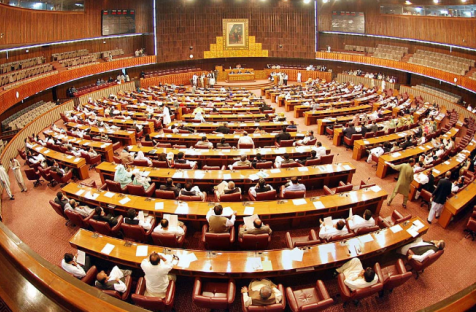
Contrary to popular belief, the performance of Women legislators in both Houses remained remarkable and in Parliament’s history they presented a significant number of 133 bills for legislative business in just four years (2018 to 2021).
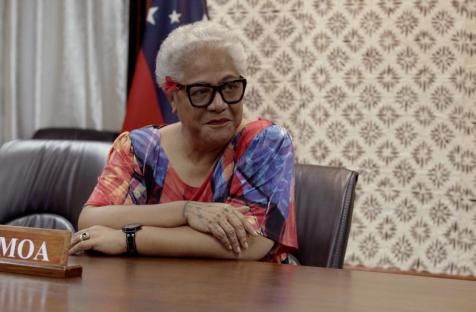
There are fewer women in politics in the Pacific Islands than in any other part of the world, according to UN Women.
Female candidates are overrepresented for marginal seats at the next federal election, while safe seats for both major parties remain dominated by males, an analysis by Guardian Australia shows.
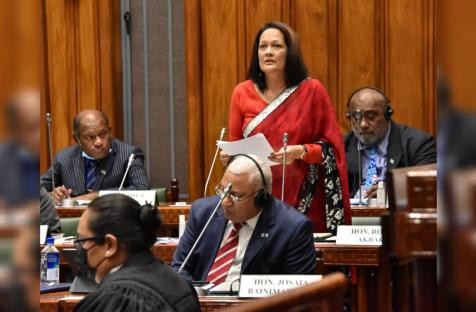
Women are still under-represented in Parliament. Minister for Women, Children and Poverty Alleviation Rosy Akbar made the remark in her response to President Ratu Wiliame Katonivere’s Parliament opening address.