April 13, 2015
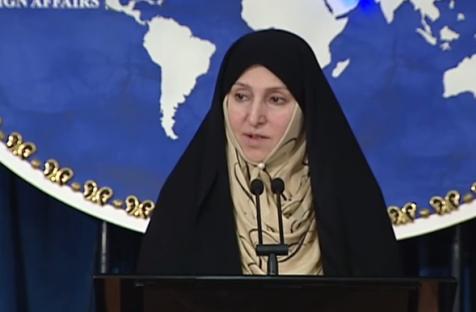
Iran to appoint first female ambassador since Islamic revolution
Democracy and the equal participation of men and women in the political arena are closely intertwined. No parliament or any decision-making body can claim to be representative without the participation of both men and women. As stated in the Universal Declaration on Democracy adopted by the Inter-Parliamentary Union’s Member Parliaments in 1997, "The achievement of democracy presupposes a genuine partnership between men and women in the conduct of the affairs of society in which they work in equality and complementarity, drawing mutual enrichment from their differences."
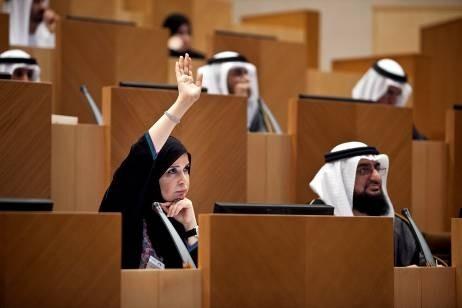
Recent years have seen a steady increase in the number of women in parliament, though the world average of less than 22 percent remains far from the goal of parity between women and men. The election of women to the highest positions of state and government in several countries has also contributed to the changing face of politics.
While the road to election is a difficult one, the challenges for women do not stop there. Once women enter parliament or other bodies, they are faced with many new challenges. Parliament is traditionally a male-oriented domain where the rules and practices have been written by men. It is, therefore, an ongoing challenge to transform parliament into a gender-sensitive environment, to ensure that actions are gender-sensitive and to guarantee that gender is mainstreamed throughout the legislature.
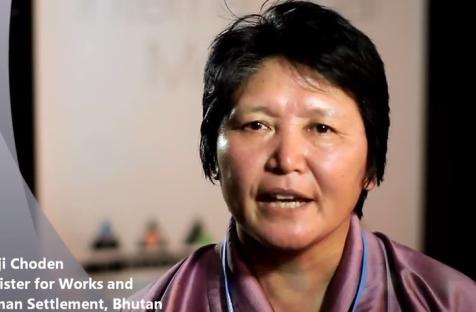
Being a civil servant in this country is a unique challenge.
The present paper looks into what happens when a country mandates female candidates. The researchers studied Spain’s Equality Law, which requires small towns to have women make up at least 40 percent of their candidates on electoral ballots.
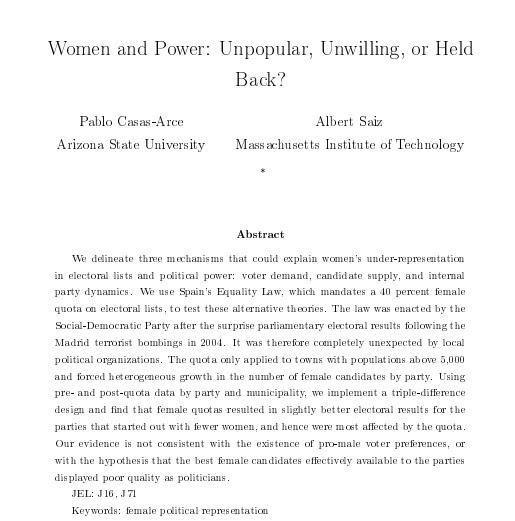
The present paper looks into what happens when a country mandates female candidates. The researchers studied Spain’s Equality Law, which requires small towns to have women make up at least 40 percent of their candidates on electoral ballots.
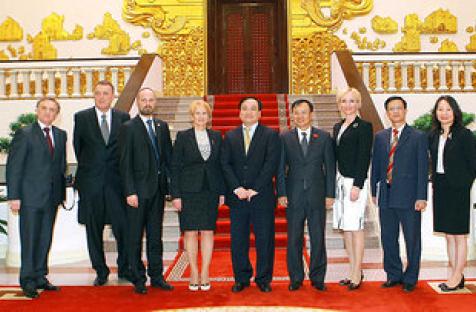
Members of the Inter-Parliamentary Union (IPU) have committed to taking the necessary action to carry forward proposed new sustainable development goals (SDGs) due to be adopted later this year. The success of the SDGs would transform the world and the lives of its people.
This is a Home-based position with 3 missions to Chisinau, Moldova. The selected candidate is expected to start on May 5th 2015 and the duration of the initial contract is May-October, 2015 (55 working days).
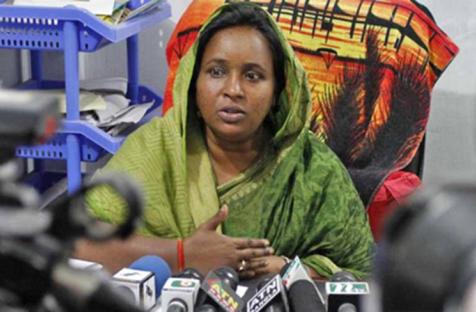
Narayanganj, Bangladesh — This Muslim-majority nation may have a female prime minister, but at the local level it remains difficult for women to gain and hold political power.
As a young Turkish artist, she took a trip of self-discovery while attending film and art school in Zurich, Switzerland. Counting herself fortunate to be able to study abroad, the young woman felt the urge to grab every opportunity she could, including exploring the countryside.

As a young Turkish artist, she took a trip of self-discovery while attending film and art school in Zurich, Switzerland. Counting herself fortunate to be able to study abroad, the young woman felt the urge to grab every opportunity she could, including exploring the countryside.
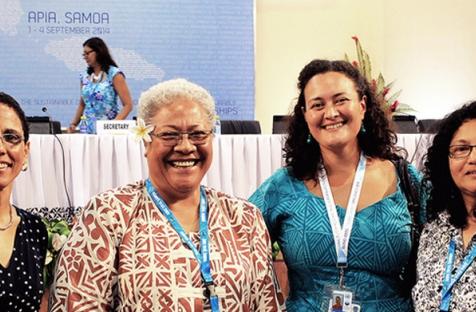
Joint Press Release
UNDP and UN Women
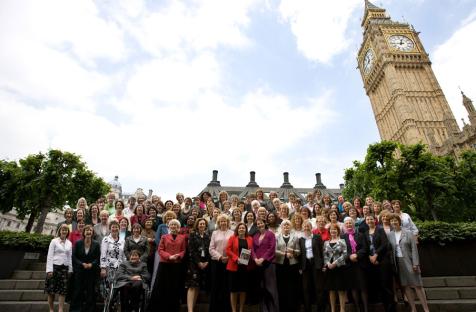
When the 2010 parliament comes to an end on 30 March, 10 of the Labour party’s most high-achieving female MPs and former ministers will be standing down. Some of them began their parliamentary careers in 1987, and together they have clocked up 200 years in parliament.