As Burundi heads towards the 2015 general elections, and despite a quota of 30 percent women’s representation in parliament, women in this southeast African nation feel that they are yet to have a significant say in the management of their country.
Parliaments and Representatives
Democracy and the equal participation of men and women in the political arena are closely intertwined. No parliament or any decision-making body can claim to be representative without the participation of both men and women. As stated in the Universal Declaration on Democracy adopted by the Inter-Parliamentary Union’s Member Parliaments in 1997, "The achievement of democracy presupposes a genuine partnership between men and women in the conduct of the affairs of society in which they work in equality and complementarity, drawing mutual enrichment from their differences."
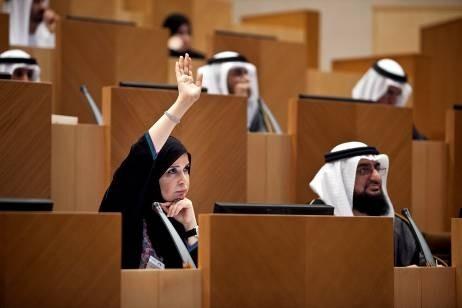
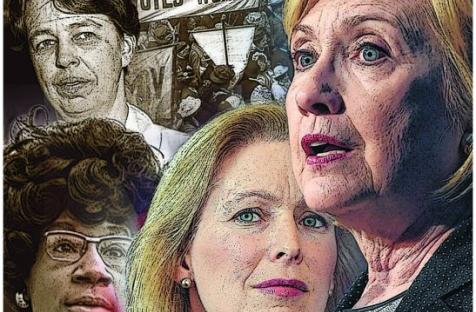
Recent years have seen a steady increase in the number of women in parliament, though the world average of less than 22 percent remains far from the goal of parity between women and men. The election of women to the highest positions of state and government in several countries has also contributed to the changing face of politics.
While the road to election is a difficult one, the challenges for women do not stop there. Once women enter parliament or other bodies, they are faced with many new challenges. Parliament is traditionally a male-oriented domain where the rules and practices have been written by men. It is, therefore, an ongoing challenge to transform parliament into a gender-sensitive environment, to ensure that actions are gender-sensitive and to guarantee that gender is mainstreamed throughout the legislature.
While Lebanon suffers from a paucity of female politicians, establishing a quota is not the only way to bolster women’s participation in the political sphere, say members of UNDP’s Lebanese Electoral Assistance Program.
Malawai Congress Party (MCP) member of Parliament for Salima NorthWest constituency, Dr Jessie Kabwila, has been elected as new chairperson for Women Caucus in Parliament.
A lawmaker in the Japan Restoration Party was jeered during a meeting at parliament and told by a male lawmaker she “should give birth to a baby.”
The incredibly poor gender diversity of elected state officials in the U.S., in 7 maps and charts
South Carolina’s Senate is the nation’s least gender-diverse legislative chamber, with just 2 percent representation, according to data from theCenter for American Women and Politics at Rutgers University’s Eagleton Institute of Politics.
Malian lawyer builds peace and hope
The stories of gang-rape, forced marriage and fathers being forced to rape their own daughters at gunpoint keep her awake at night.
Interviews
Twitter chat with Sonja Lokar
Twitter chat on women in the Slovenian Elections
Twitter Chat with iKNOW Politics expert Sonia Lokar on women’s political participation during the electoral process and elections taking place July 13 in Slovenia.
#electionsSlovenia
Host: @iKNOW_Politics
Twitter Chat with iKNOW Politics expert Sonia Lokar on women’s political participation during the electoral process and elections taking place July 13 in Slovenia.
#electionsSlovenia
Host: @iKNOW_Politics
Event
Twitter chat on women in the Slovenian Elections
Pagination
- Previous page
- Page 256
- Next page