Parliaments and Representatives
Democracy and the equal participation of men and women in the political arena are closely intertwined. No parliament or any decision-making body can claim to be representative without the participation of both men and women. As stated in the Universal Declaration on Democracy adopted by the Inter-Parliamentary Union’s Member Parliaments in 1997, "The achievement of democracy presupposes a genuine partnership between men and women in the conduct of the affairs of society in which they work in equality and complementarity, drawing mutual enrichment from their differences."
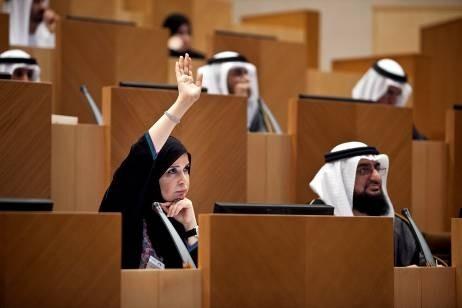
Recent years have seen a steady increase in the number of women in parliament, though the world average of less than 22 percent remains far from the goal of parity between women and men. The election of women to the highest positions of state and government in several countries has also contributed to the changing face of politics.
While the road to election is a difficult one, the challenges for women do not stop there. Once women enter parliament or other bodies, they are faced with many new challenges. Parliament is traditionally a male-oriented domain where the rules and practices have been written by men. It is, therefore, an ongoing challenge to transform parliament into a gender-sensitive environment, to ensure that actions are gender-sensitive and to guarantee that gender is mainstreamed throughout the legislature.
Youth Engagement Guides on Citizen Engagement for Parliaments
Youth engagement is key for a healthy democracy. Young people are the future generations that will lead our democracies. They are also often amongst the most disengaged people of our societies.
Event
International Youth Day showcase: Platforms and initiatives for youth political empowerment
Zoom, 12 August 2025, 13:00 to 15:00 CET (Geneva time)
On Thursday, 10th July 2025, the House of Representatives Committee on the Review of the 1999 Constitution, in collaboration with the Policy and Legal Advocacy Centre (PLAC) and with support from the European Union in Nigeria, hosted a Legislative Dinner on advancing wo
Event
IPU Parliamentary Forum at the UN High level Political Forum on Sustainable Development 2025
Parliamentary Forum at the 2025 UN High Level Political Forum on Sustainable Development Gender equality and health: fast forwarding progress
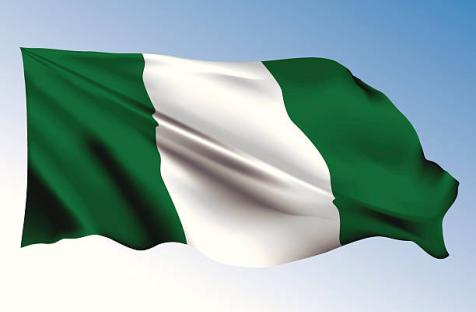
Sir: Since 1999, barely 43 women senators and 119 House members have held elective seats in Nigeria’s National Assembly.
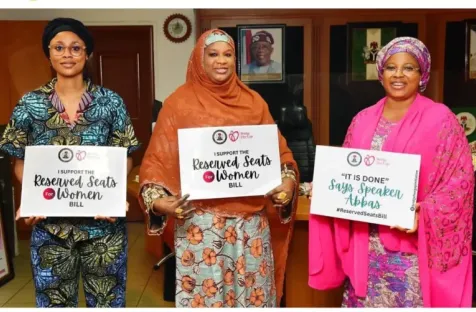
The First Lady, Oluremi Tinubu, has said that allocating special seats to women in state and federal parliaments is not an act of charity but a way of strengthening the country’s democracy.
Morocco’s significant progress in ensuring women’s full and equal participation and representation in political and decision-making spheres was showcased by the Interministerial Delegation for Human Rights (DIDH) during an event held Thursday in Geneva, on the sidelines
A UNITED NATIONS committee has highlighted the low representation of woman in the Dáil and at Cabinet as “priority issues” that must be addressed by the state.
Pagination
- Previous page
- Page 4
- Next page