Introduction
October 10, 2025
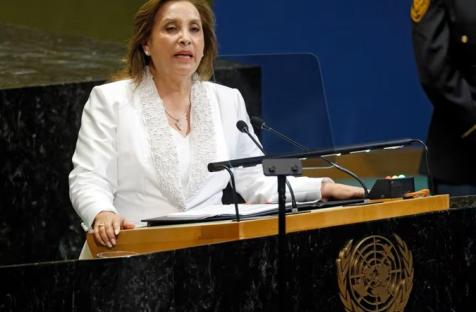
Peru president removed from office after string of scandals and allegations
Democracy and the equal participation of men and women in the political arena are closely intertwined. No parliament or any decision-making body can claim to be representative without the participation of both men and women. As stated in the Universal Declaration on Democracy adopted by the Inter-Parliamentary Union’s Member Parliaments in 1997, "The achievement of democracy presupposes a genuine partnership between men and women in the conduct of the affairs of society in which they work in equality and complementarity, drawing mutual enrichment from their differences."
Recent years have seen a steady increase in the number of women in parliament, though the world average of less than 22 percent remains far from the goal of parity between women and men. The election of women to the highest positions of state and government in several countries has also contributed to the changing face of politics.
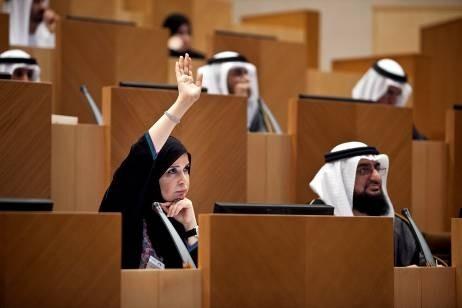
While the road to election is a difficult one, the challenges for women do not stop there. Once women enter parliament or other bodies, they are faced with many new challenges. Parliament is traditionally a male-oriented domain where the rules and practices have been written by men. It is, therefore, an ongoing challenge to transform parliament into a gender-sensitive environment, to ensure that actions are gender-sensitive and to guarantee that gender is mainstreamed throughout the legislature.
Reflections on the 11th IPU Global Conference for Young Parliamentarians
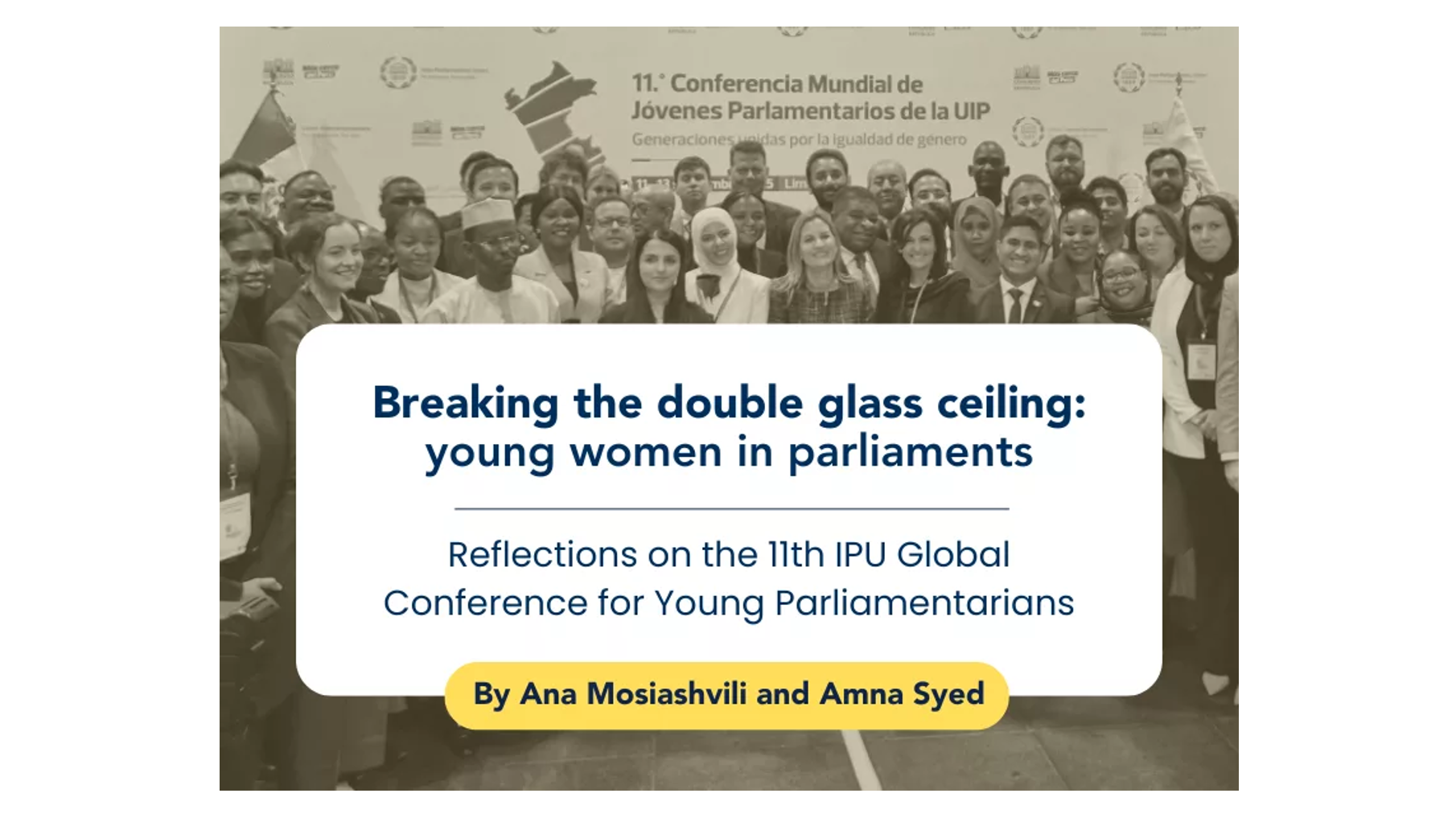
Reflections on the 11th IPU Global Conference for Young Parliamentarians
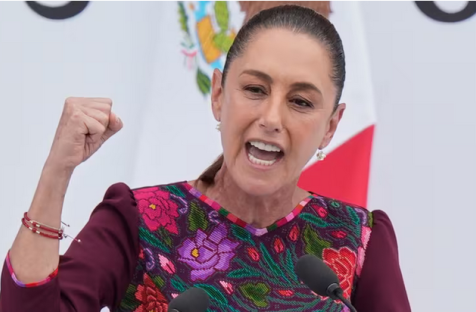
Maria Del Carmen Huber Guevara, 63, travelled in a bus with 60 other people all night just to get the chance to see Mexican President Claudia Sheinbaum in person during a rally Sunday in Mexico City.
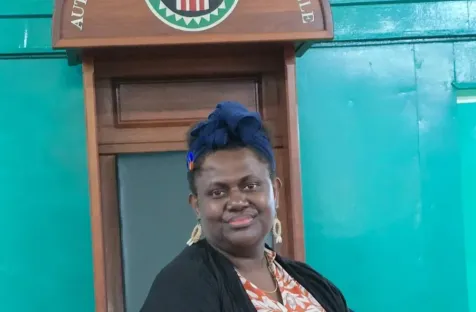
Theonila Roka Matbob, one of the most prominent female candidates in the Bougainville election, has lost her seat.
Women face an uphill battle to political election, and they continue to confront barriers to success afterward. But the type of legislature in their states can make a difference.
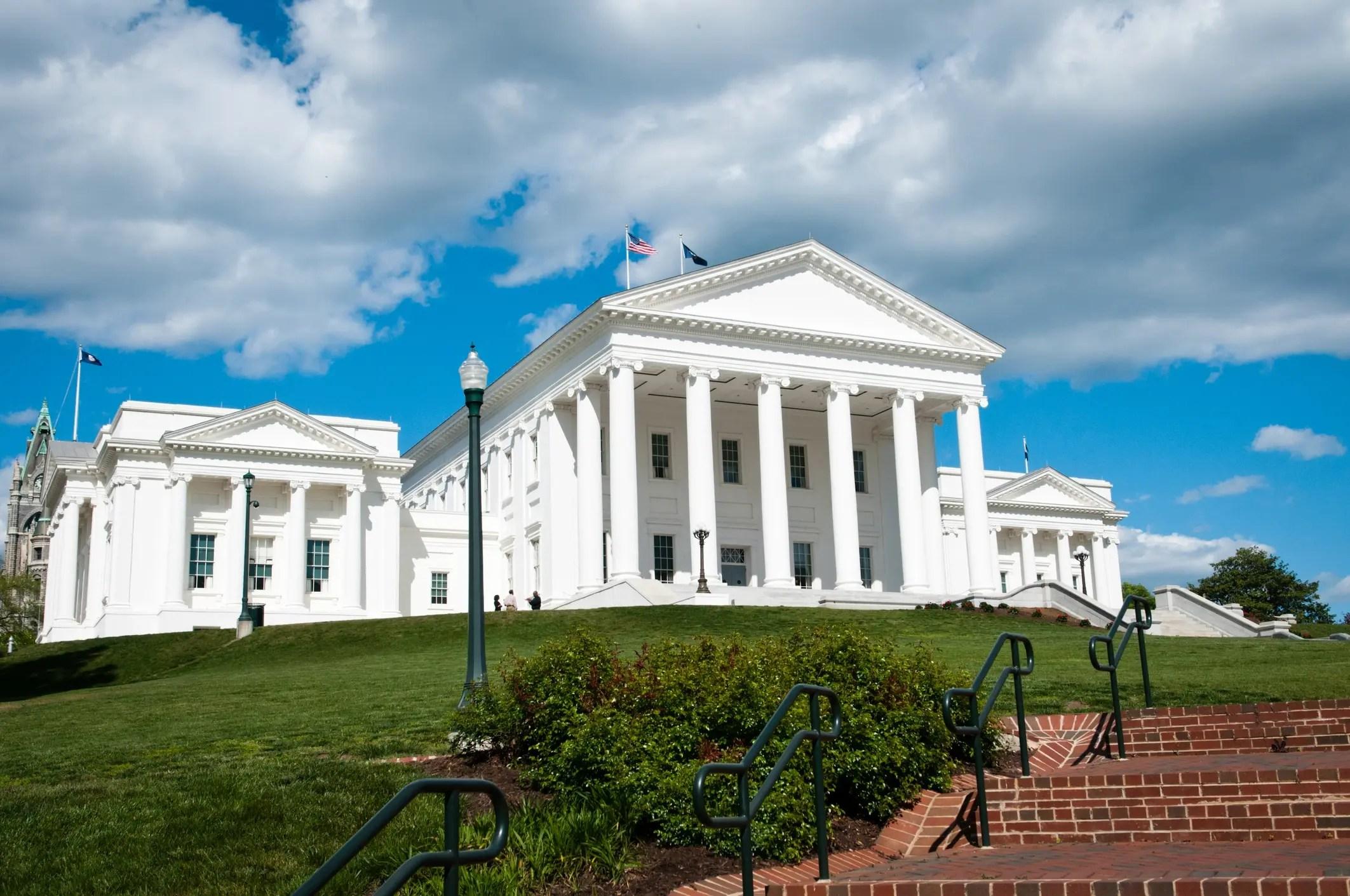
Women face an uphill battle to political election, and they continue to confront barriers to success afterward. But the type of legislature in their states can make a difference.
An apparent bottleneck exists in women’s participation in politics: the number of female party members exceeds the number of female candidates, which in turn is almost double the number of women elected, who, on average, account for less than one-fifth of all winners at
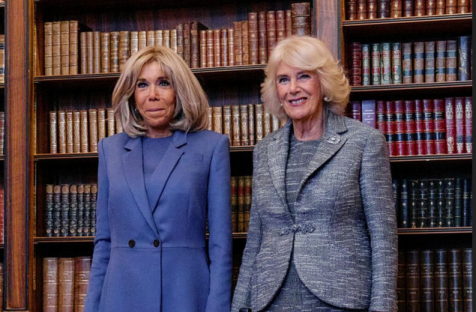
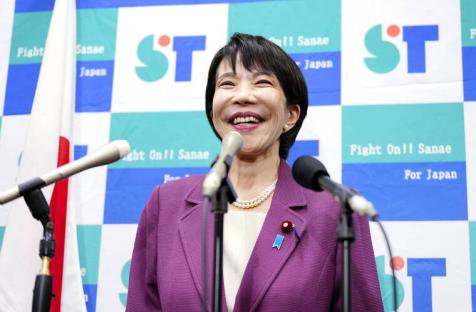
Japan could soon see its first female prime minister, with Sanae Takaichi emerging among the front runners in the ruling Liberal Democratic Party’s leadership race, a significant achievement in a country where women leaders remain a rarity.
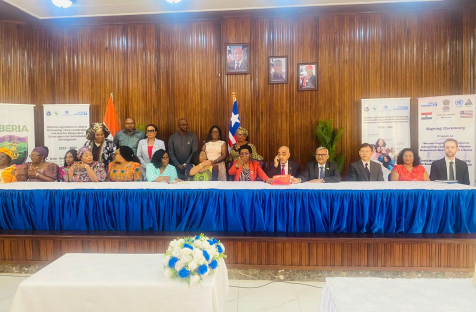
Monrovia – Liberia, in partnership with India, Brazil, South Africa, and UN Women, has launched a $1 million initiative aimed at strengthening women’s leadership and promoting gender-responsive governance.