April 17, 2013
Saudi female scientist raises hopes for women in politics
With a PhD in biotechnology from Britain's Cambridge University and a recurring presence on many of the world's most infl
Democracy and the equal participation of men and women in the political arena are closely intertwined. No parliament or any decision-making body can claim to be representative without the participation of both men and women. As stated in the Universal Declaration on Democracy adopted by the Inter-Parliamentary Union’s Member Parliaments in 1997, "The achievement of democracy presupposes a genuine partnership between men and women in the conduct of the affairs of society in which they work in equality and complementarity, drawing mutual enrichment from their differences."
Recent years have seen a steady increase in the number of women in parliament, though the world average of less than 22 percent remains far from the goal of parity between women and men. The election of women to the highest positions of state and government in several countries has also contributed to the changing face of politics.
While the road to election is a difficult one, the challenges for women do not stop there. Once women enter parliament or other bodies, they are faced with many new challenges. Parliament is traditionally a male-oriented domain where the rules and practices have been written by men. It is, therefore, an ongoing challenge to transform parliament into a gender-sensitive environment, to ensure that actions are gender-sensitive and to guarantee that gender is mainstreamed throughout the legislature.
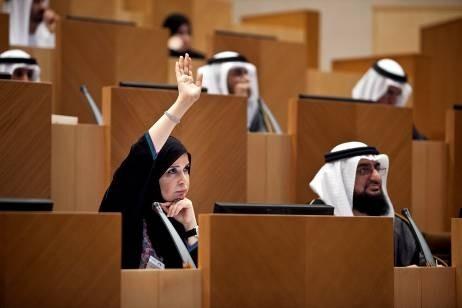
With a PhD in biotechnology from Britain's Cambridge University and a recurring presence on many of the world's most infl
Speech by Lakshmi Puri, Acting Head of UN Women, at the High-level Conference on Women’s Leadership in the Sahel, 9 April 2013, Brussels, Belgium
Even in the new millennium, it remains true that few women aspire — let alone actually become a candidate — to run for elected office.
In 2013 men still earn disproportionally more than women, on average 30% more.
As Malaysia's political parties finalize their candidate lists for Nomination Day next weekend, a mothers' group has unveiled its own election 'manifesto'.
This report provides a comprehensive account of how parliaments can and should serve as models and champions of gender equality and is the result of a two-year research project.
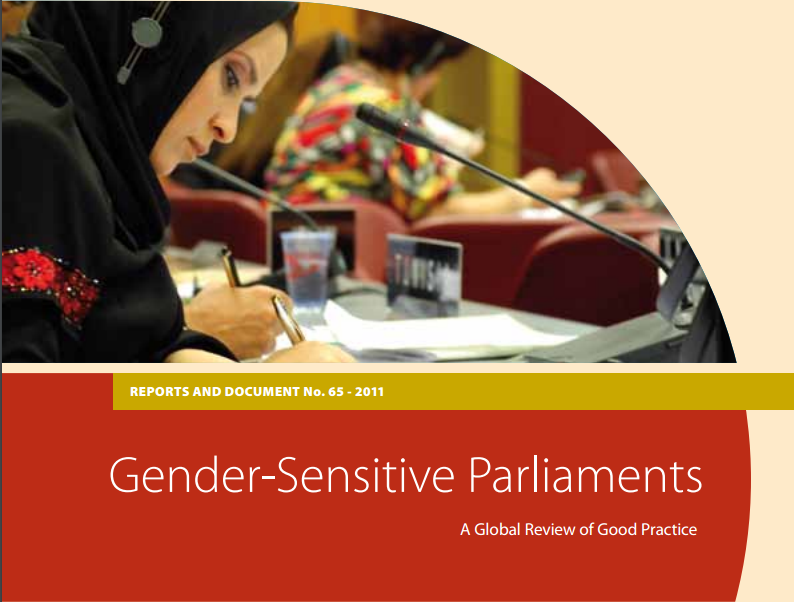
This report provides a comprehensive account of how parliaments can and should serve as models and champions of gender equality and is the result of a two-year research project.