Parliaments and Representatives
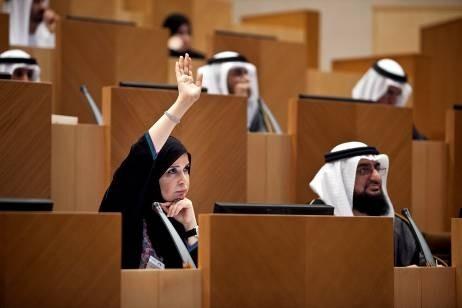
Democracy and the equal participation of men and women in the political arena are closely intertwined. No parliament or any decision-making body can claim to be representative without the participation of both men and women. As stated in the Universal Declaration on Democracy adopted by the Inter-Parliamentary Union’s Member Parliaments in 1997, "The achievement of democracy presupposes a genuine partnership between men and women in the conduct of the affairs of society in which they work in equality and complementarity, drawing mutual enrichment from their differences."
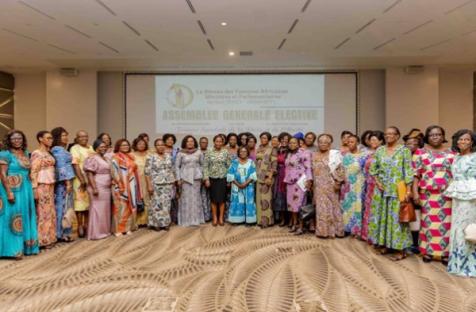
Recent years have seen a steady increase in the number of women in parliament, though the world average of less than 22 percent remains far from the goal of parity between women and men. The election of women to the highest positions of state and government in several countries has also contributed to the changing face of politics.
While the road to election is a difficult one, the challenges for women do not stop there. Once women enter parliament or other bodies, they are faced with many new challenges. Parliament is traditionally a male-oriented domain where the rules and practices have been written by men. It is, therefore, an ongoing challenge to transform parliament into a gender-sensitive environment, to ensure that actions are gender-sensitive and to guarantee that gender is mainstreamed throughout the legislature.
Dismantle barriers to women’s political participation
While the push for gender equity continues globally, the country’s recently held harmonized elections proved that there is still a long way to go as far as women’s politic
First woman chief minister in India
Normal
0
false
-->
Normal
0
false
-->
Gender equality and governance: role of women in Nigerian politics
For most Nigerians, the 4 per cent inclusion of women in the ministerial list of President Bola Tinubu is a step back for gender equality in Nigeria’s politics and an eye-opener of the many hurdles women encounter in occupying political roles.
Normal
0
-->
Normal
0
-->
Changing the electoral system can be detrimental to women representation
Normal
0
-->
Normal
0
-->
Pagination
- Previous page
- Page 48
- Next page