Parliaments and Representatives
Democracy and the equal participation of men and women in the political arena are closely intertwined. No parliament or any decision-making body can claim to be representative without the participation of both men and women. As stated in the Universal Declaration on Democracy adopted by the Inter-Parliamentary Union’s Member Parliaments in 1997, "The achievement of democracy presupposes a genuine partnership between men and women in the conduct of the affairs of society in which they work in equality and complementarity, drawing mutual enrichment from their differences."
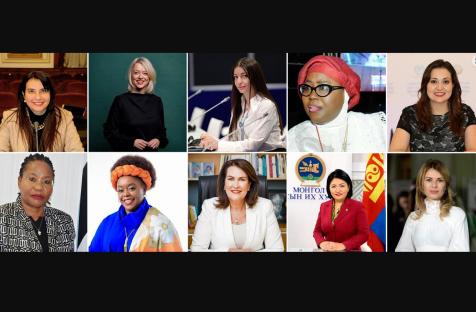
Recent years have seen a steady increase in the number of women in parliament, though the world average of less than 22 percent remains far from the goal of parity between women and men. The election of women to the highest positions of state and government in several countries has also contributed to the changing face of politics.
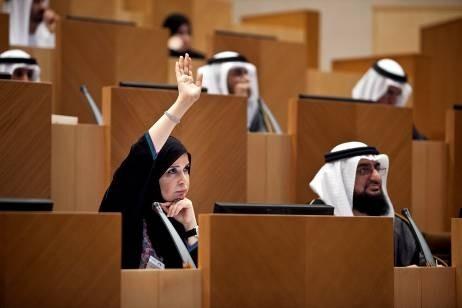
While the road to election is a difficult one, the challenges for women do not stop there. Once women enter parliament or other bodies, they are faced with many new challenges. Parliament is traditionally a male-oriented domain where the rules and practices have been written by men. It is, therefore, an ongoing challenge to transform parliament into a gender-sensitive environment, to ensure that actions are gender-sensitive and to guarantee that gender is mainstreamed throughout the legislature.
Interviews
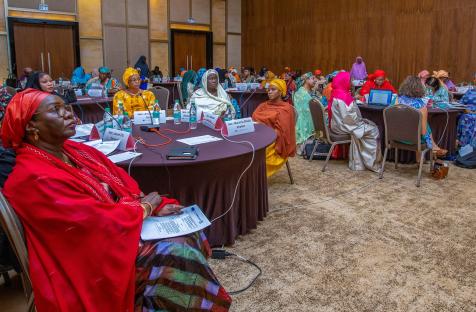
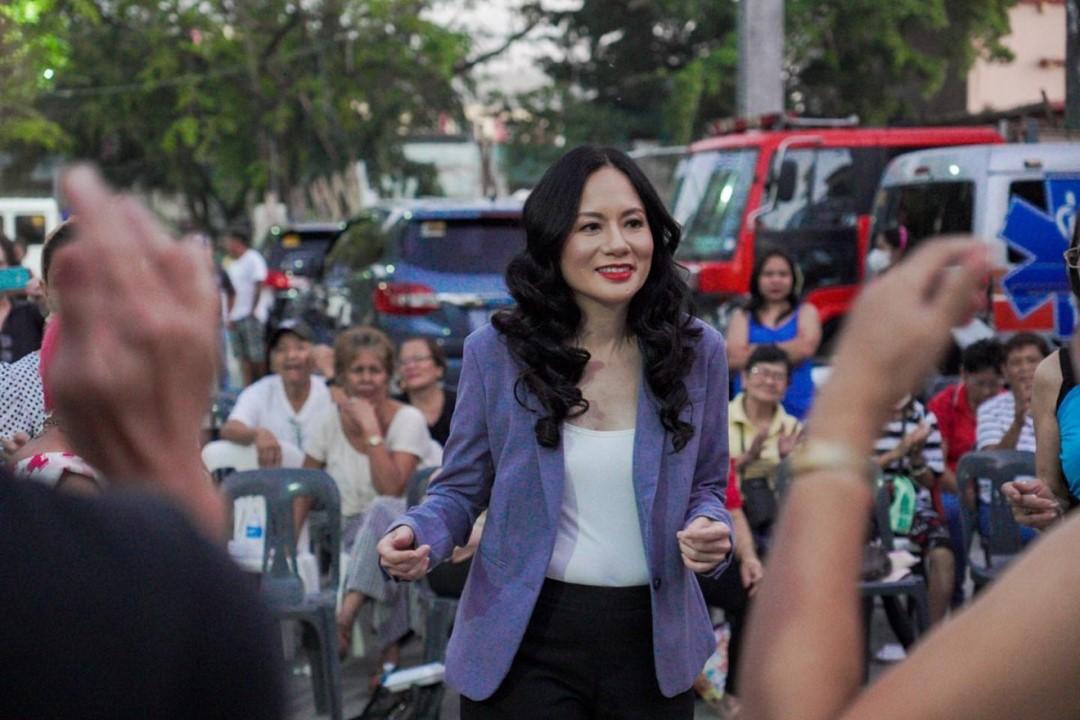
The call for an increase in the representation of women in governance and other leadership positions has remained a mirage in Nigeria, with several factors militating against it, especially since the advent of the Fourth Republic.
Videos
Will more women be elected into senior political roles in Nigeria? | Inside Story
One female candidate in the conservative north is raising expectations she could become Nigeria's first elected state governor.
Half of Nigeria’s population are women, but only 4 percent were elected in the 2019 election. Will the 2023 election be any different?
Event
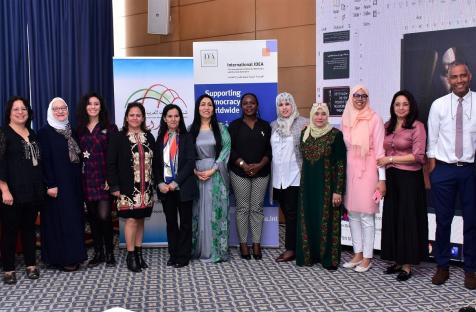
CSW 67: Achieving equality in decision-making by 2030: What will it take?
The side event will aim to inform the new General Recommendation of the Committee on the Elimination of Discrimination against Women (CEDAW Committee)
TSU, MIE PREF.
Women's Political Participation in Jordan: Barriers, opportunities and gender sensitivity of select political institutions
A core component of the three-year regional OECD-MENA Transition Fund project on “Promoting women’s participation in parliaments and policy-making,” is conducting a country-based, peer-reviewed assessment of the existing opportunities and current cha
OECD Toolkit for Mainstreaming and Implementing Gender Equality
This online resource will guide you in implementing the OECD Recommendation on Gender Equality in Public Life. In addition to better familiarising you with the Principles, the Toolkit lets you compare indicators and good practices in use in numerous countries.
Pagination
- Previous page
- Page 85
- Next page