March 7, 2023
Women in power in 2023: New data shows progress but wide regional gaps
Democracy and the equal participation of men and women in the political arena are closely intertwined. No parliament or any decision-making body can claim to be representative without the participation of both men and women. As stated in the Universal Declaration on Democracy adopted by the Inter-Parliamentary Union’s Member Parliaments in 1997, "The achievement of democracy presupposes a genuine partnership between men and women in the conduct of the affairs of society in which they work in equality and complementarity, drawing mutual enrichment from their differences."
Recent years have seen a steady increase in the number of women in parliament, though the world average of less than 22 percent remains far from the goal of parity between women and men. The election of women to the highest positions of state and government in several countries has also contributed to the changing face of politics.
While the road to election is a difficult one, the challenges for women do not stop there. Once women enter parliament or other bodies, they are faced with many new challenges. Parliament is traditionally a male-oriented domain where the rules and practices have been written by men. It is, therefore, an ongoing challenge to transform parliament into a gender-sensitive environment, to ensure that actions are gender-sensitive and to guarantee that gender is mainstreamed throughout the legislature.
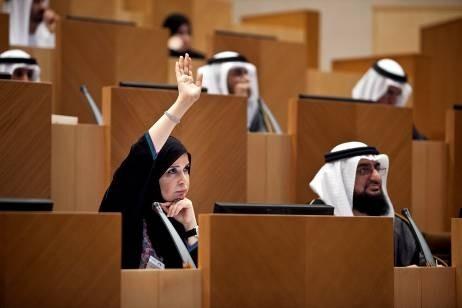
The “Women in politics: 2023” map, created by the Inter-Parliamentary Union (IPU) and UN Women, presents new data for women in executive positions and national parliaments as of 1 January 2023.
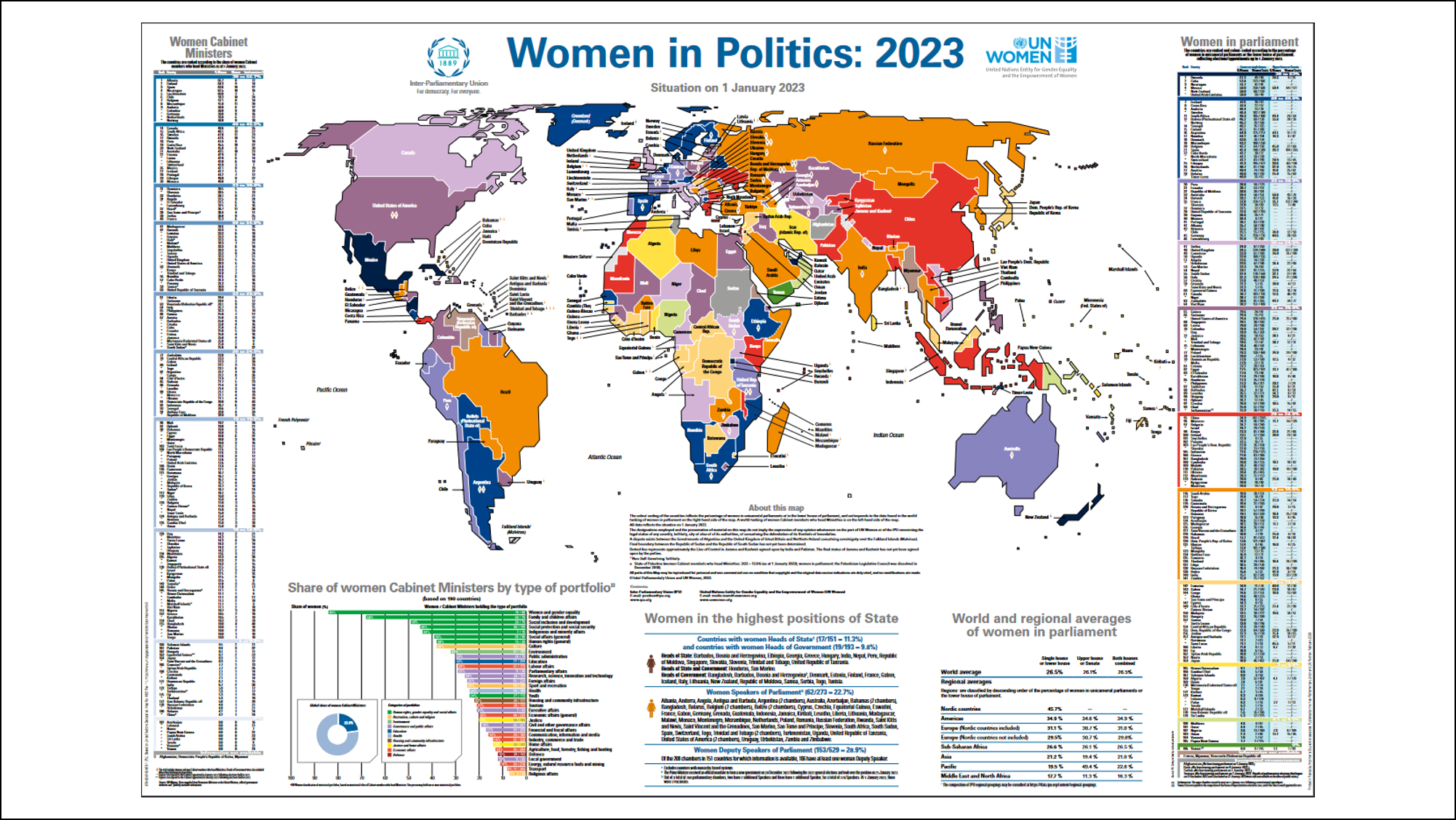
The “Women in politics: 2023” map, created by the Inter-Parliamentary Union (IPU) and UN Women, presents new data for women in executive positions and national parliaments as of 1 January 2023.
In 2022, women’s leadership in the world’s parliaments continued with a slow pace of incremental growth as the world re-emerged after two years of COVID-19 pandemic lockdowns and losses.

In 2022, women’s leadership in the world’s parliaments continued with a slow pace of incremental growth as the world re-emerged after two years of COVID-19 pandemic lockdowns and losses.
Fiji has concluded the 2023 elections and the results are in.
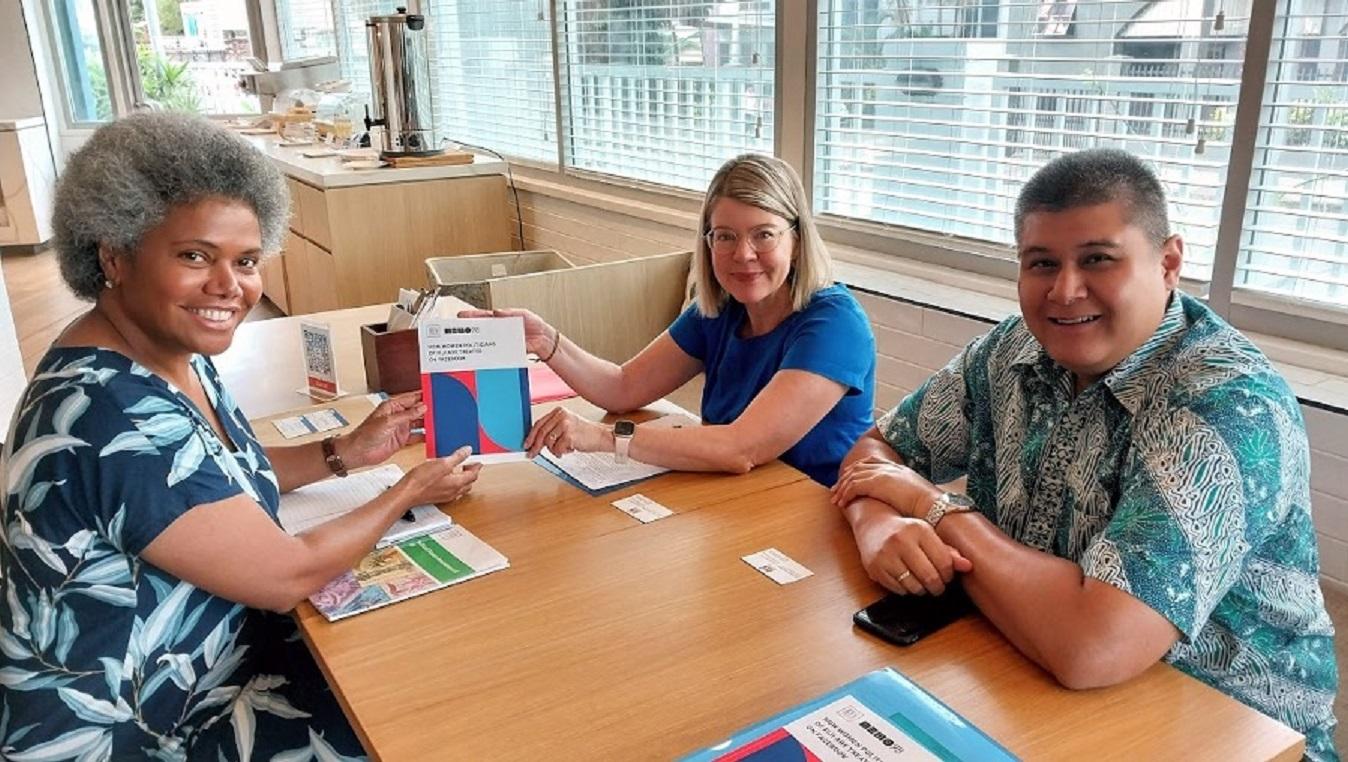
Fiji has concluded the 2023 elections and the results are in.
This event will focus on the CSW review theme on Challenges and opportunities in achieving gender equality and the empowerment of rural women and girl

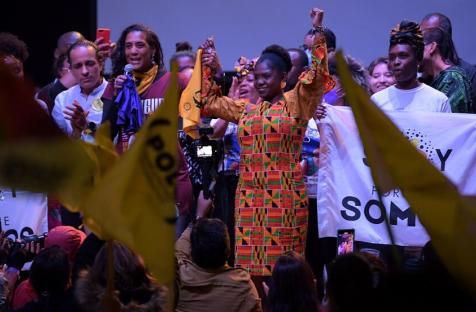
Elections in Colombia saw a political shift in 2022, and the greatest gains in terms of women’s representation in the Americas.
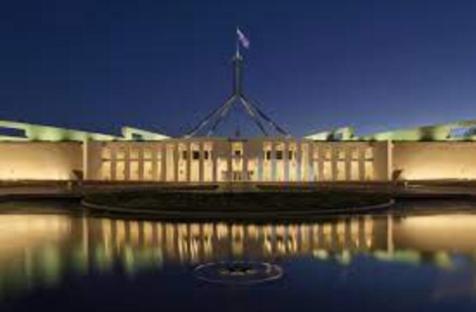
In 2022, Australia achieved record-breaking shares of women in both chambers of parliament, making it, along with New Zealand, the subregion with the highest average pr
Imagine an America where a young girl can see her future reflected in the face of her president.

Imagine an America where a young girl can see her future reflected in the face of her president.
When I left high school, I thought I would no longer have to worry about whether my skirt was “too short,” or – God forbid – if my shoulders were visible.

When I left high school, I thought I would no longer have to worry about whether my skirt was “too short,” or – God forbid – if my shoulders were visible.