Beyond numbers: securing gender equality in politics
Why do women continue to be under-represented in politics?
In a representative democracy, political parties function as a link between state institutions and local grassroots organizations. It is political parties that aggregate interests, present political alternatives and nominate candidates. As such, political parties play an essential role for the advancement of women and the promotion of equality. In this section, you will find information on the role of political parties in promoting women's political participation.
Why do women continue to be under-represented in politics?
The Women’s Reservation Bill was introduced in Lok Sabha on 21st September and became law on 29th September with the approval of the President of India.
Although women have come out of backwardness, there is still a long way to go.
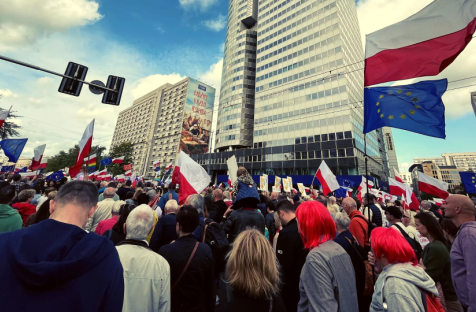
In the upcoming parliamentary elections in Poland, which are scheduled for 15 October, the women’s vote will play a particularly important role.
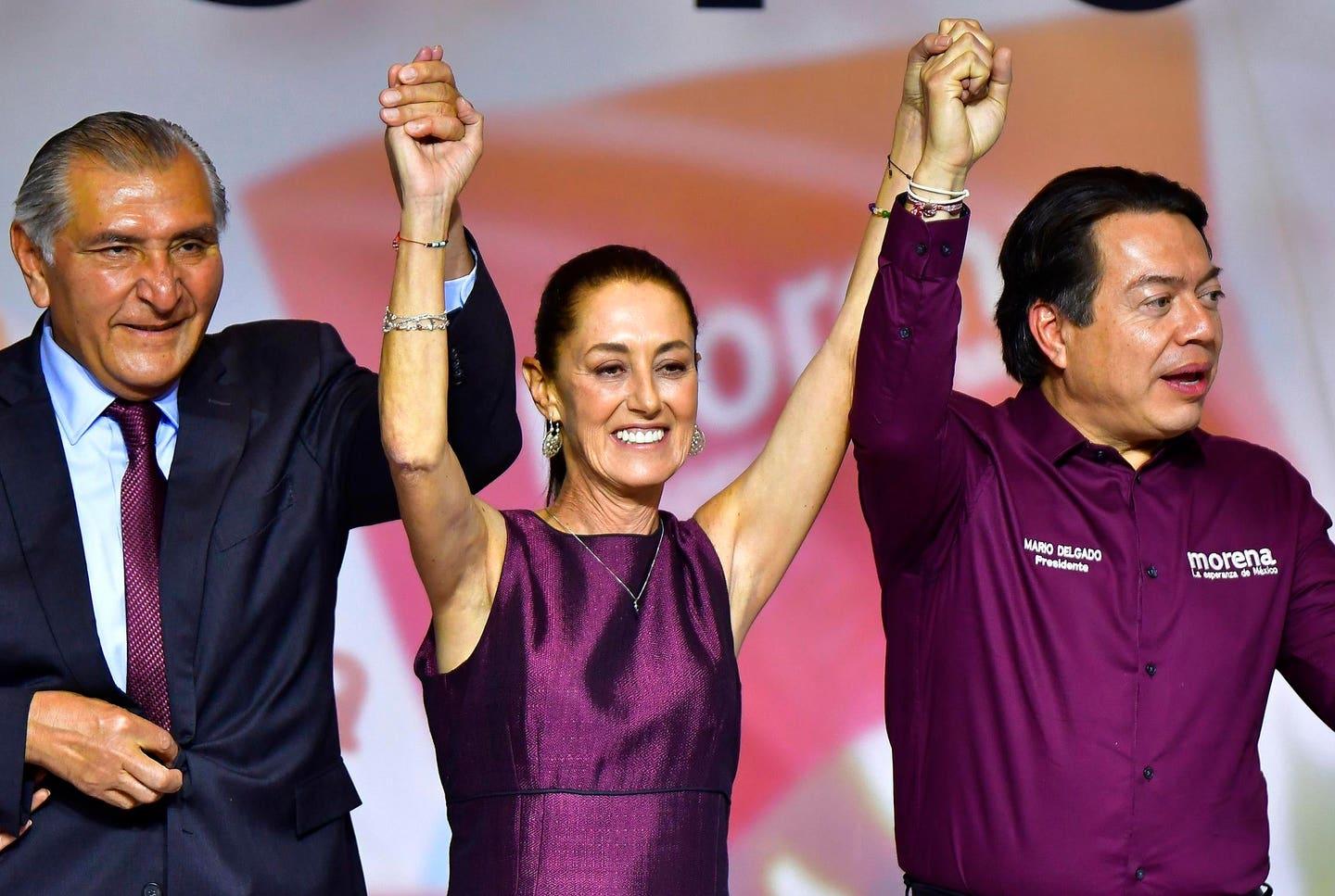
Mexico's top two political parties selected female presidential nominees, virtually ensuring that the nation's next leader will be a woman.
ECC students gathered in the B180 Heritage room for a networking panel with Representative Nabeela Syed around noon on Tuesday, Sept. 19, 2023.
Professor Sanjay Kumar, Director of the Centre for the Study of Developing Societie
Exactly 30 years after women’s empowerment got a kick-start with 33 per cent reservations in local self-government bodies, which later went upto 50 per cent, the Elected Women Representatives (EWR)s have not only come a long way – but also gone a lon