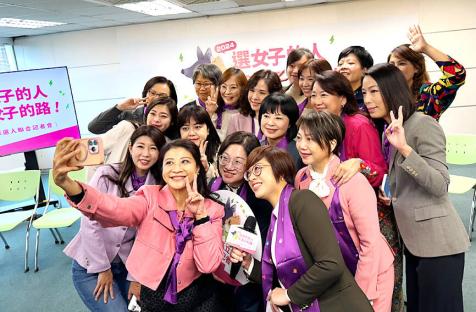
The Democratic Progressive Party (DPP) yesterday presented its slate of 18 female legislator-at-large nominees and outlined its policies on gender equality.
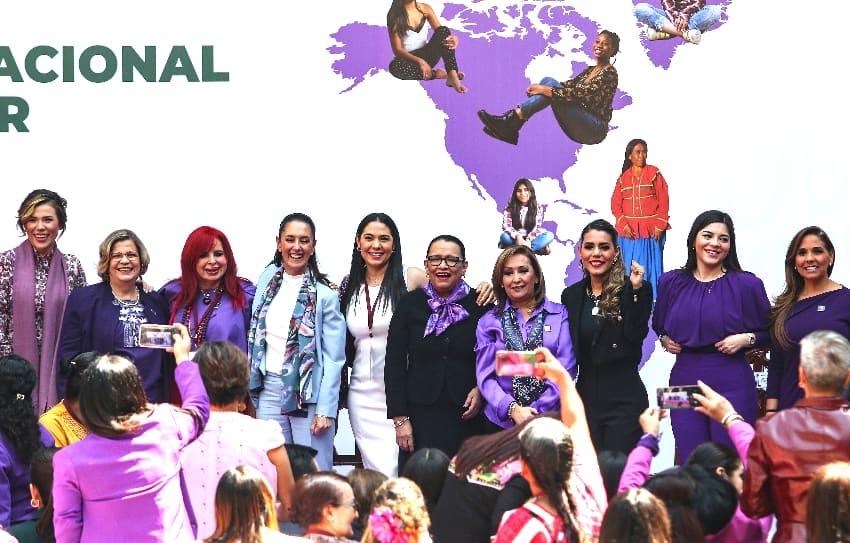
In a representative democracy, political parties function as a link between state institutions and local grassroots organizations. It is political parties that aggregate interests, present political alternatives and nominate candidates. As such, political parties play an essential role for the advancement of women and the promotion of equality. In this section, you will find information on the role of political parties in promoting women's political participation.
The Democratic Progressive Party (DPP) yesterday presented its slate of 18 female legislator-at-large nominees and outlined its policies on gender equality.
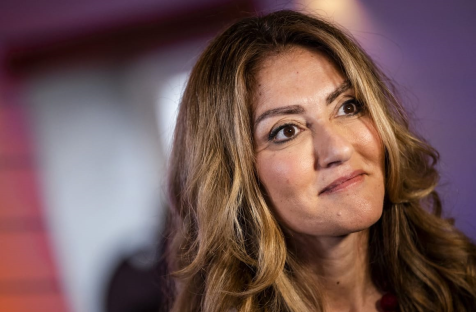
Dutch voters may be about to get someone very different from the outgoing veteran prime minister Mark Rutte.
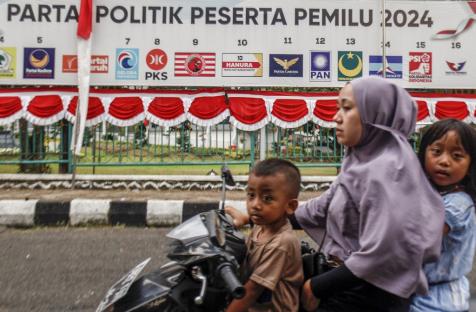
Political parties claim to have met the minimum national quota of 30 percent for female candidates, but a recent report has found that only one party competing in the 2024 legislative election meets t
Move Forward Party MPs Wuttipong Thonglour and Chaiyamparwaan Manpianjit were expelled from the party after it was decided by the party’s disciplinary board that they had sexually harassed party
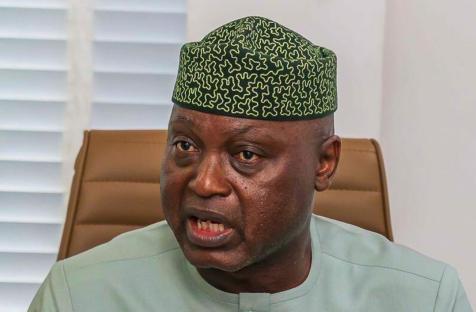
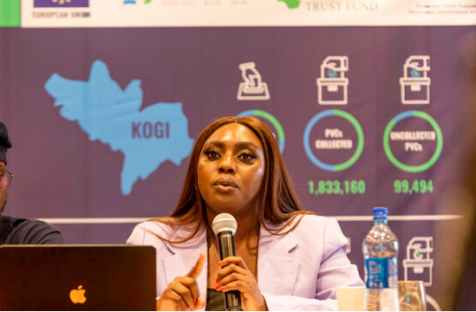
ElectHER, a civil society organisation (CSO), says without women in politics, Nigeria is limiting the extent to which it can develop.
Herald on Sunday research shows that despite promises to act from most parties, just a third of all the candidates selected to fight the next general election are women.
For the first time in Poland's history, more women than men voted. Almost 75% of eligible women voted—a 12% increase over 2019. In comparison, 73% of eligible male voters cast a ballot.
Why do women continue to be under-represented in politics?
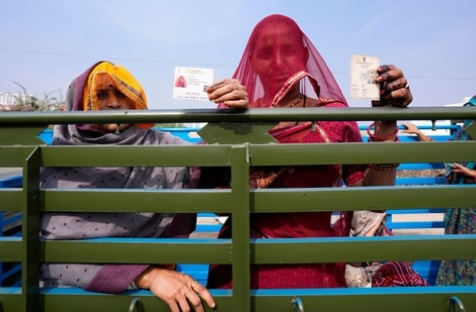
The Women’s Reservation Bill was introduced in Lok Sabha on 21st September and became law on 29th September with the approval of the President of India.