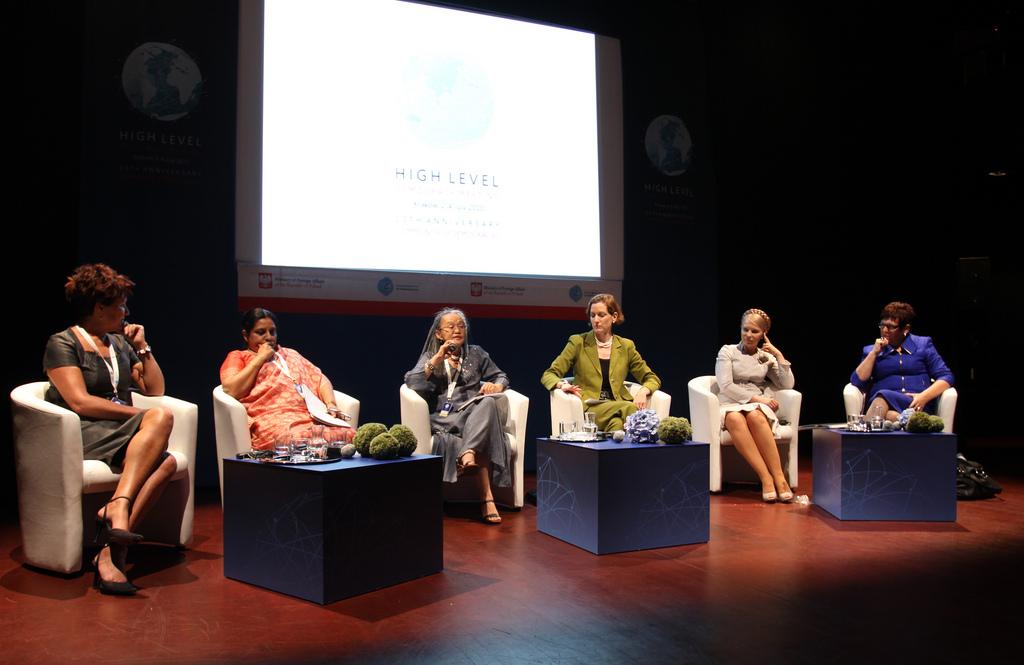
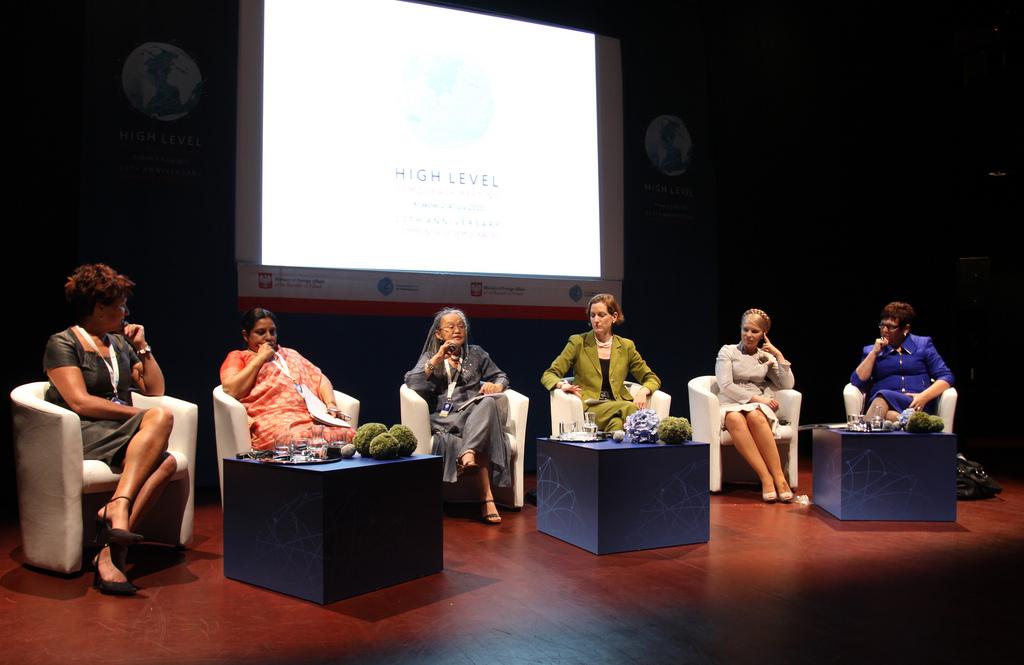
TweetTalk’ on Gender, Women & Political Parties
In a representative democracy, political parties function as a link between state institutions and local grassroots organizations. It is political parties that aggregate interests, present political alternatives and nominate candidates. As such, political parties play an essential role for the advancement of women and the promotion of equality. In this section, you will find information on the role of political parties in promoting women's political participation.
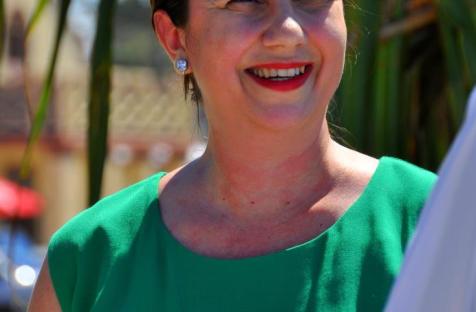
It’s a historic day for politics and women in Australia – and even more remarkable for one woman minister, who is also Queensland’s first ever Indigenous woman MP.
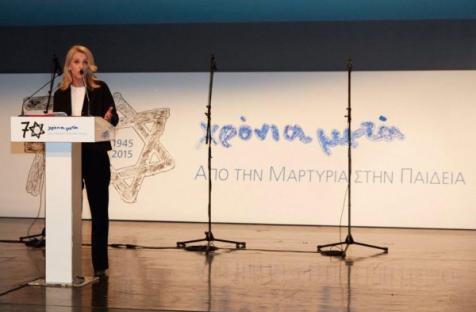
Women are conspicuously absent from the cabinet of Prime Minister Alexis Tsipras. They have traditionally been underrepresented in Greek politics, but Syriza was different. Joanna Kakissis reports from Athens.
It is reasonable to assume that the best political system for a woman to get into politics is democracy. Of course, this is arguable given that most democracies, including Western democracies have not been able to provide women with an equitable political representation and that we usually consider western democracy to be the most advanced of all democracies.
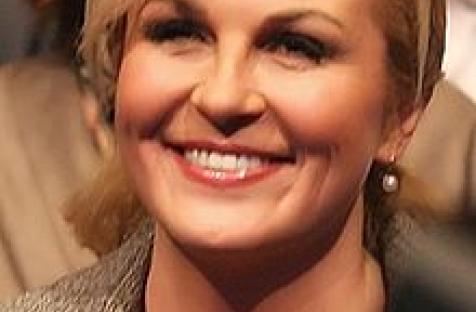
Opposition challenger Kolinda Grabar-Kitarovic has become the first female president of Croatia, winning by the narrowest of margins.
She secured 50.5% of the vote with 99% of ballots counted, while incumbent Ivo Josipovic was close behind on 49.5%.
It must have been awkward, all this time, commencing cabinet meetings with the greeting: "Good morning, Lady and gentlemen".

by Lucile Huguet Scotland didn’t get enough Yes to become independent from England. However, the country is at a real turning point of its history. Scotland got its first female politician elected as head of the country.