Do gender quotas in elections work?
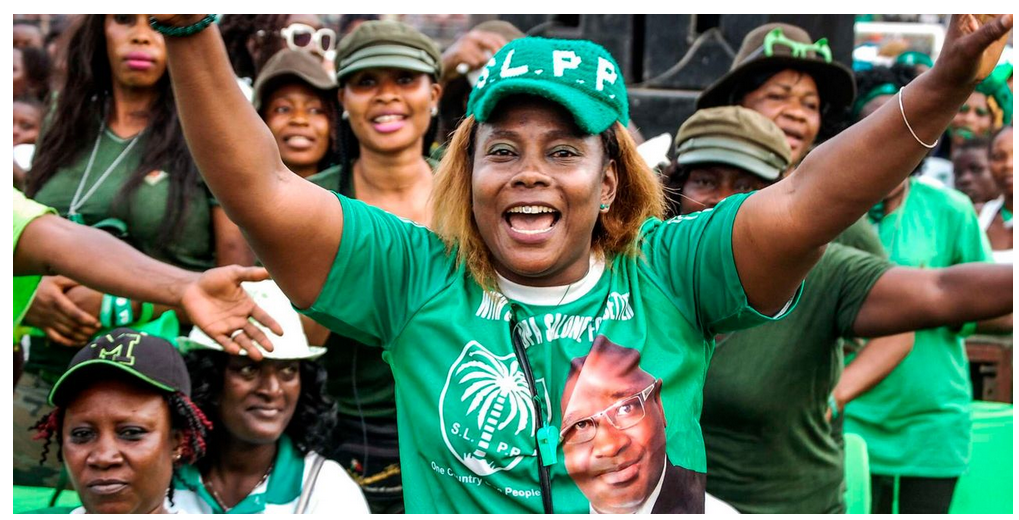
What you need to know:
-
There’s a growing consensus among academicians that these quotas “work”.

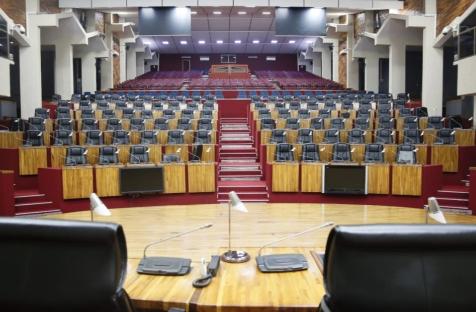
Up to 63.8 percent of the 80 members of the newly elected Rwandan Chamber of Deputies, the lower house, are women, a list from the National Electoral Commission (NEC) has shown.
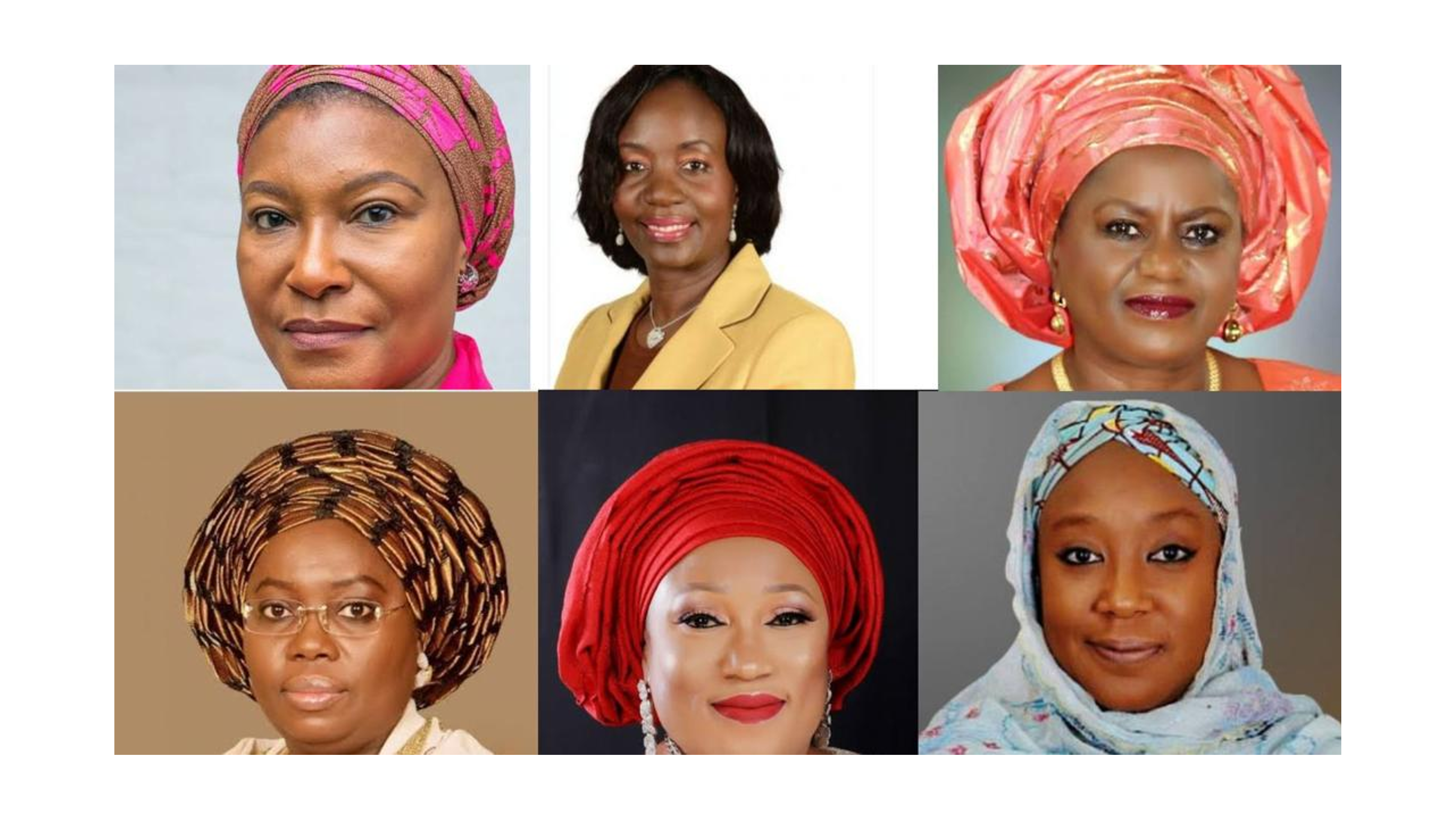
The underrepresentation of Nigerian women in governance and politics has been a longstanding issue in political discourse.
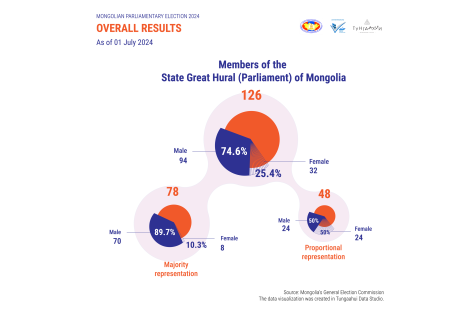
Mongolia's electoral reforms have significantly transformed the political landscape, ushering a record number of women into Parliament.
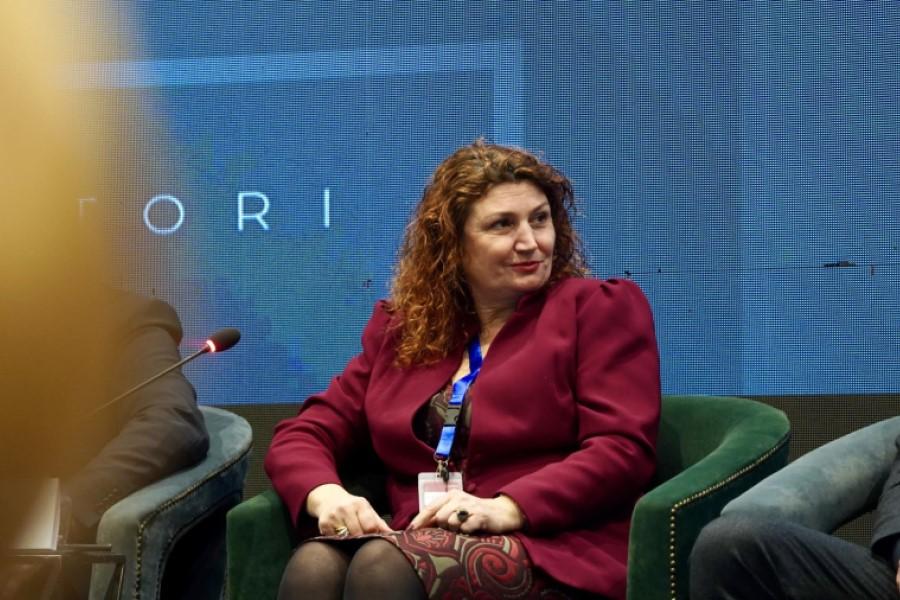
Only three percent of women are directly engaged in politics, while 11 percent have no interest in involvement at all. This is what the research findings of the "Friedrich Eber" foundation say, which were presented by professor Besa Luzha.
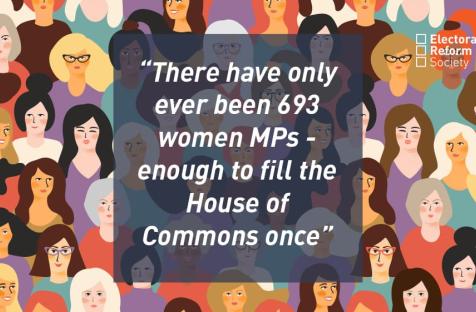
Last week saw a change of Government and a brand-new cohort of MPs (335 new MPs) elected; but with all this churn how representative is our new House of Commons?
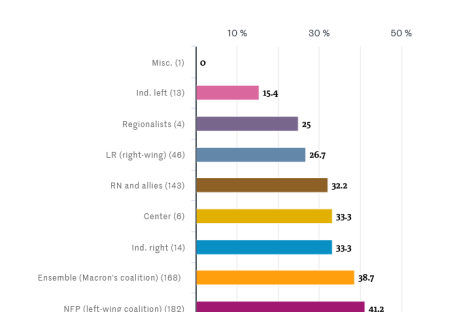
Only 208 women will sit in the Assemblée Nationale, representing just over a third of all MPs. This is the second time in two years that the proportion of women in the Assemblée has fallen.
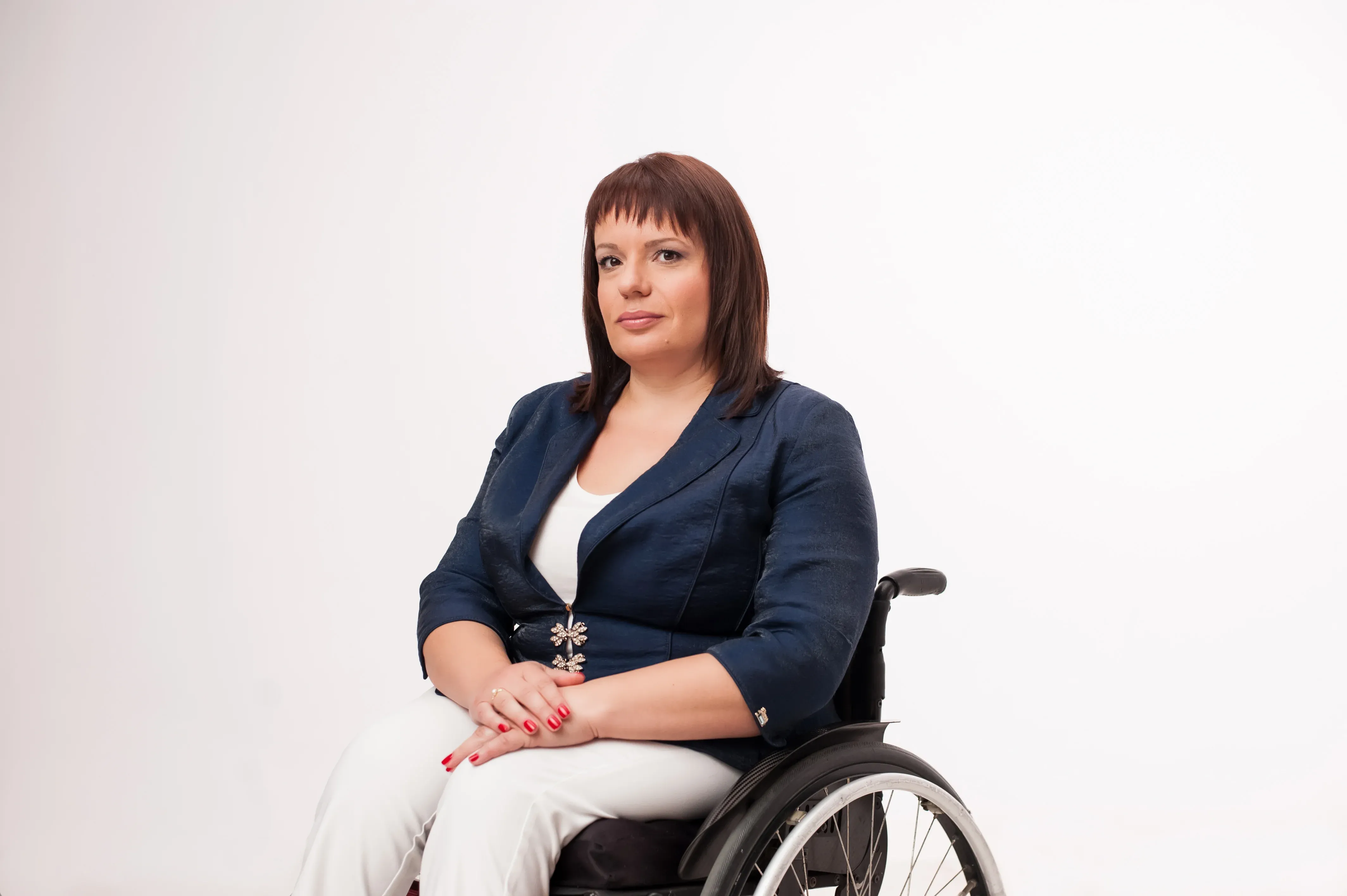
Ljupka Mihajlovska is a politician and human rights advocate with special focus on women with disabilities. She served in the Serbian Parliament until 2020 and is now a program director of the non-governmental organisation "For accessible environment".
India, the world’s largest democracy, has made significant strides in women’s political participation since its independence in 1947. However, a substantial gender gap persists in Indian politics, reflecting deeper societal inequalities and cultural barriers.