Gender quotas must be introduced in local government in order to achieve equality
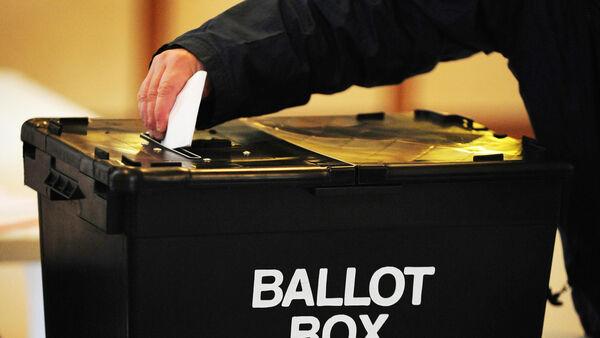
The recent local elections are a real-time example of why we need gender quotas.

The recent local elections are a real-time example of why we need gender quotas.
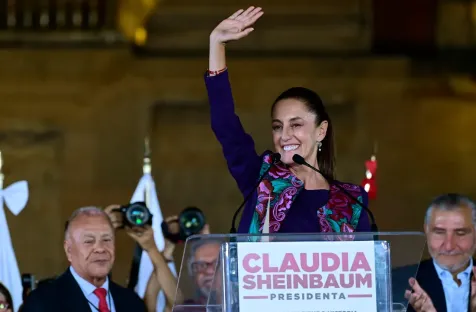
LONDON — Claudia Sheinbaum broke the glass ceiling when she was declared the winner of Mexico’s presidential elections this week.
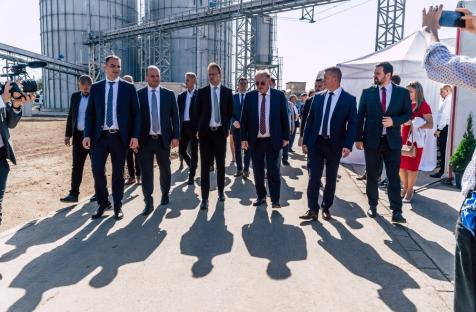
In the last five-year term, both the proportion of women in the European Parliament and in relevant positions in European institutions have improved significantly.

Politics has historically been a male-dominated space. Men hold the majority of power in the political sphere globally due to entrenched patriarchal norms that prioritize male leadership and decision-making.

Tanzania, in keeping with global political trends, reserves 30 percent of seats in parliament for women.

The objective behind the move in 1972 to have reserved seats for women in parliament was to increase women's representation in the legislative body.
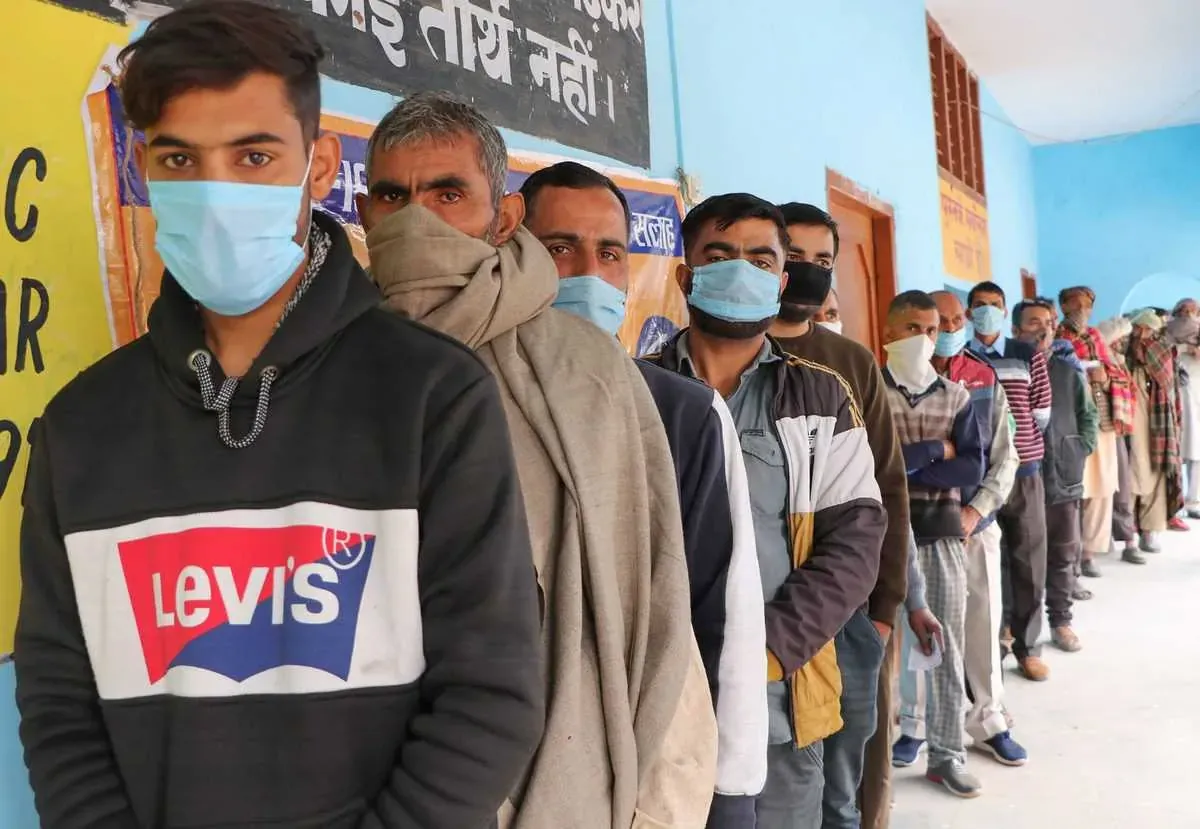
Can women voters decide the upcoming 2024 General elections? Their growing number of voters and favourable legislation, such as the one-third reservation for women in Parliament and legislatures, make them an important segment.
It is common knowledge that despite the invaluable contribution of women to Nigeria’s electoral process since the r
