Women still shy away from politics due to threats, intimidation

Insecurity has been identified as one of the contributing factors that makes women shy away from seeking leadership and other political positions.
As the prominence of women in politics increases, so does the incidence of violence against women in politics. This section highlights news, interviews, resources and events on violence against women in politics

Insecurity has been identified as one of the contributing factors that makes women shy away from seeking leadership and other political positions.

In a trend that threatens the very essence of democracy, women who are brimming with potential and fresh perspectives are more hesitant than ever to stand for elected office in Scotland. Their number-one reason?

In a screeching career gear-change worthy of Matt Hancock, I have hung up my political-adviser boots and become an author.

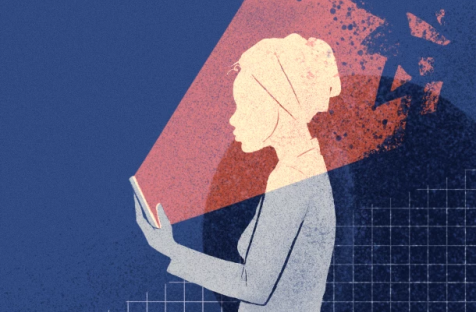
It is becoming increasingly evident that life in modern politics is presenting women with a stark choice – endure almost constant online threats and abuse or get out of public life.

“The problem is that when a woman is attacked, she gets attacked for her character, but never for her policymaking,” Union minister and BJP leader Smriti Irani.
On 18 September 2023, in Tanzania, around 30 women parliamentarians from Africa convened for a high-level dialogue.

Women’s political participation remains low, with women occupying only a quarter of parliamentary seats around the world.

The current Lok Sabha (2019-2024) has the highest-ever representation of women Members of Parliament at any point in India, with 78 MPs in the 545-member House (around 14 per cent).

The rise of the information society, predominantly sculpted by modern technologies, has blurred the lines between our online and offline lives.