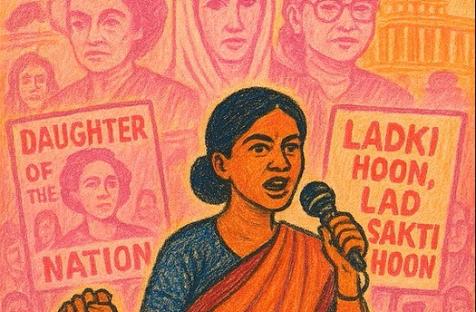
In the grand theatre of South Asian politics, where symbolism often overshadows substance, women’s political participation remains wrapped in layers of emotional performance and aesthetic design.
The media are potentially powerful channels of information in a society. The messages they transmit can change or reinforce social mores and behaviours, and mobilize citizens to take progressive actions. While, ideally, the media should strive for accuracy and impartiality, in reality there are often imbalances in coverage, including in terms of women and their perspectives. Women politicians, for example, may be under-represented in news before and after elections.
In the grand theatre of South Asian politics, where symbolism often overshadows substance, women’s political participation remains wrapped in layers of emotional performance and aesthetic design.
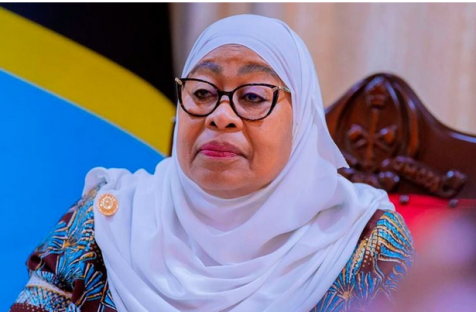
“On social media, President Samia Suluhu is objectified simply because she is a woman president. Women journalists work tirelessly to cover her objectively.
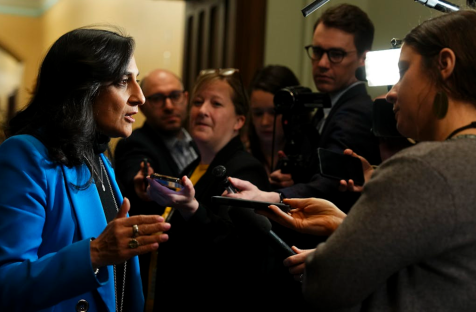
As Liberal MP Pam Damoff prepares to leave politics, she joins other Canadian women MPs in warning that growing threats and harassment are
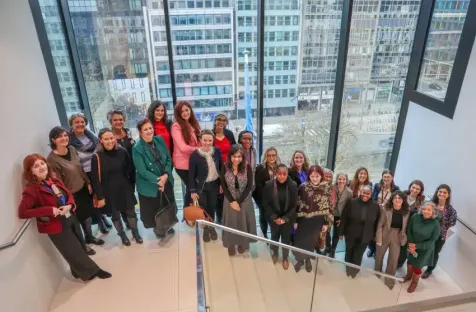
Brussels, Belgium – On 4-5 February 2025, UN Women convened a two-day Expert Group Meeting (EGM) to address one of the most persistent barriers to gender equality in political and public life: discriminatory social norms.
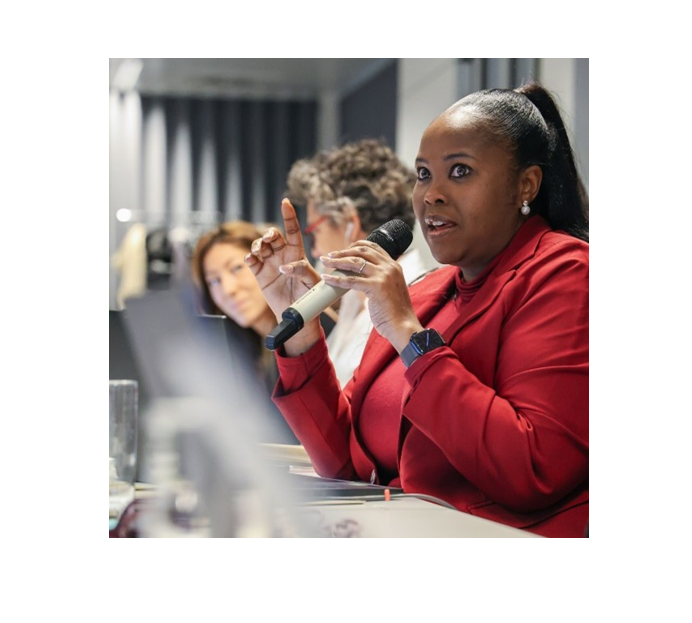
The International Federation of Journalists (IFJ) will organise a live discussion on the Media coverage of women in politics and its impact on democracy on 10 April from 5 to 6.30 pm at the Residence Palace, rue de la loi 155, Brussels.
This session will focus on exploring the types of activities youth organisations can do to educate themselves
Women in politics receive twice as many sexist comments on social media as their male colleagues, writes Het Laatste Nieuws on Tuesday. This also applies to local councillors and politicians with an immigrant background.