Have we learned nothing from 2016 about how to cover women in politics?

By Michelle Ruiz,
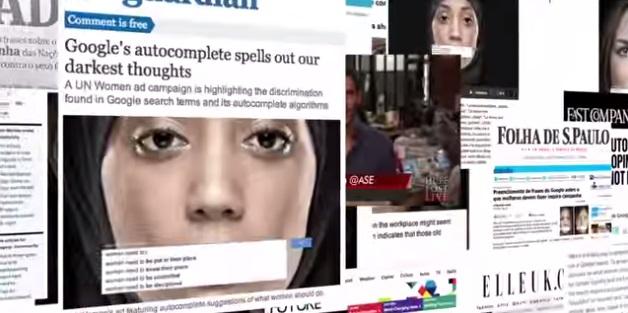
The media are potentially powerful channels of information in a society. The messages they transmit can change or reinforce social mores and behaviours, and mobilize citizens to take progressive actions. While, ideally, the media should strive for accuracy and impartiality, in reality there are often imbalances in coverage, including in terms of women and their perspectives. Women politicians, for example, may be under-represented in news before and after elections.
By Michelle Ruiz,

The low rate of female participation in politics compared to that of their male counter- parts in Nigeria creates a need to examine the situation in this study, “The role of broadcast media in mobilizing women for political participation in Nigeria”.

As the world becomes increasingly connected online, our reliance on social media platforms such as Twitter has also become increasingly important.

The need for the media to be gender sensitive in reporting electoral issues ahead of the 2019 general elections and change the negative stereotyping of female politicians, was the pivot of a one-day seminar held in Lagos by the Independent National E
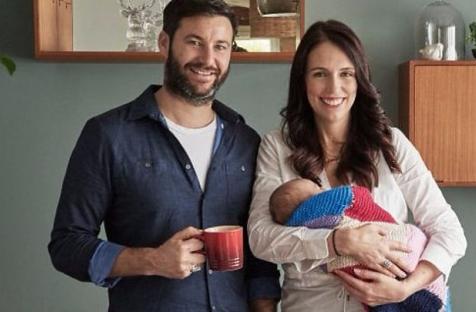
New Zealand's Prime Minister Jacinda Ardern has returned to work after spending "the fastest six weeks" of her life on maternity leave.

Media’s negative projection of women politicians is discouraging others from joining the male dominated field, the Zimbabwe Gender Commission has observed.
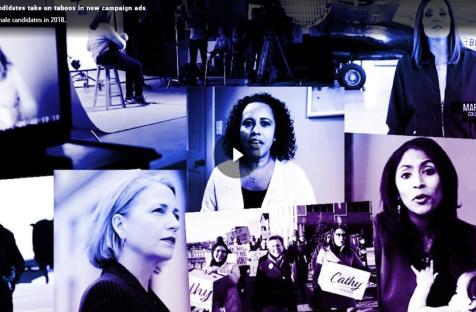
Women are increasingly spotlighting gender as they run in record-breaking numbers in 2018.

Within efforts to mobilize the media to promote gender equality in the political process and in order to encourage women participation in parliamentar

'Women are discouraged from seeking leadership roles because of that kind of attention'