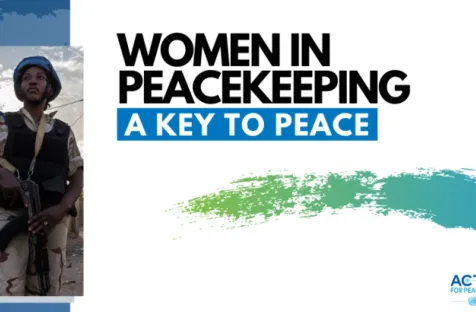
Women, Peace and Security
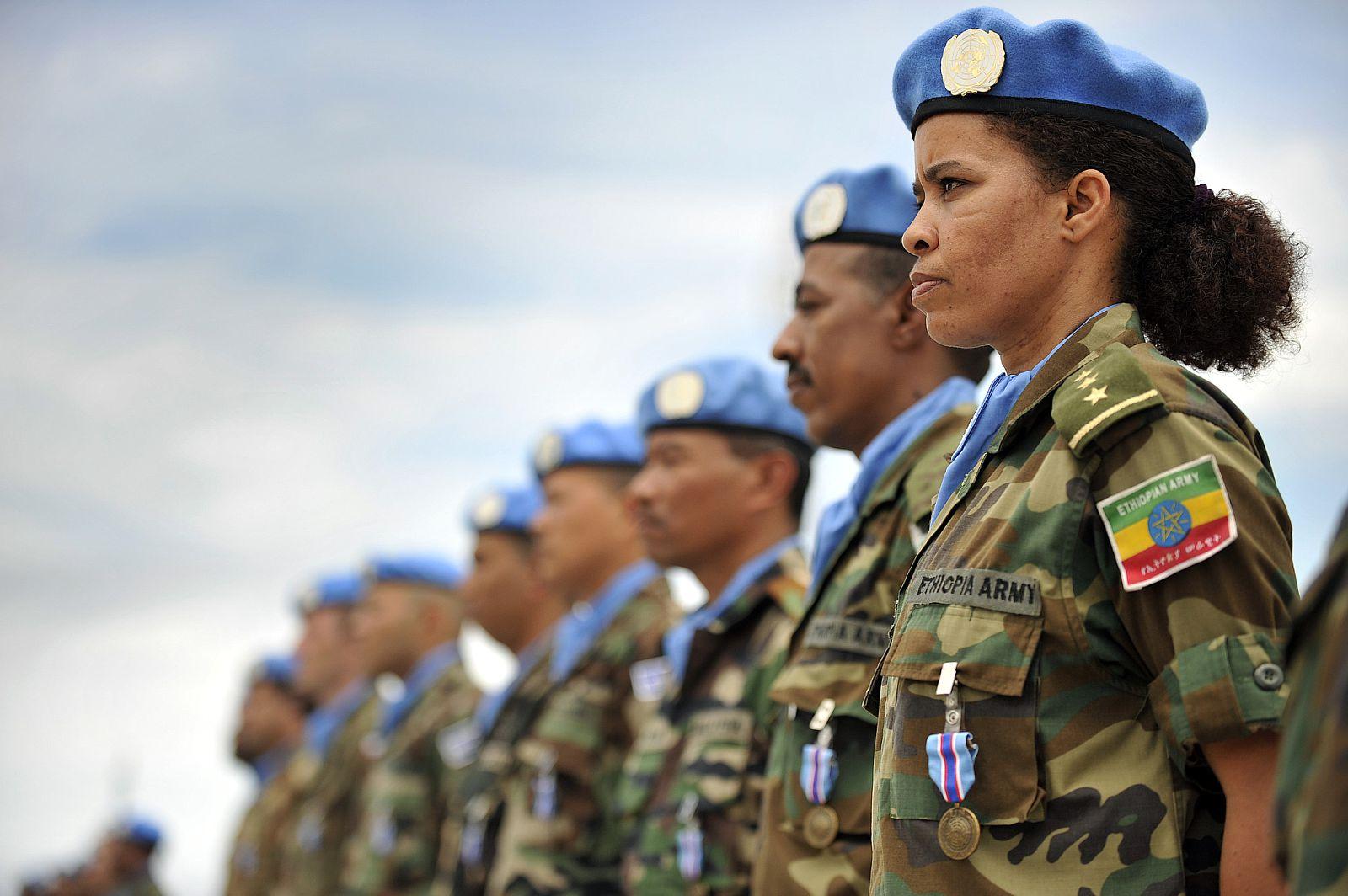
Established international norms and standards promote the protection of women during armed conflict and their participation in peace and security decision-making. The UN Security Council resolution 1325 on women, peace and security (UNSCR 1325) is one of the critical tools for moving the gender equality agenda forward in conflict and postconflict situations.
August 14, 2026
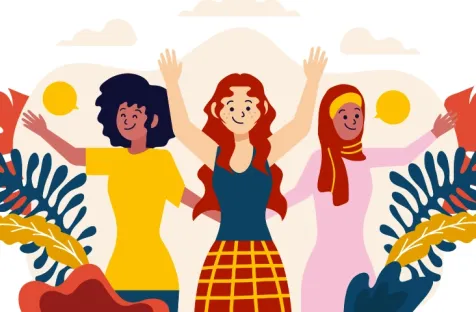
How Women Promote Feminism with a Peace and Security Approach
The feminist peace ideology then replaces violence with empowering women through raising women’s awareness.
The women, peace, and Security (WPS) agenda is an essential framework that recognises the indispensable role of women in achieving sustainable peace and security.
August 14, 2026
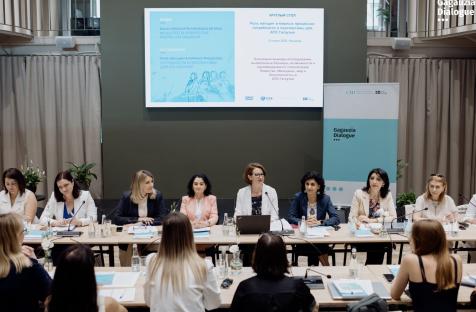
Moldova study: women’s meaningful participation is essential for sustainable peace
Women in the Autonomous Territorial Unit (ATU) of Gagauzia already play pivotal roles in sustaining dialogue, strengthening community resilience, and preventing conflict.
August 14, 2026
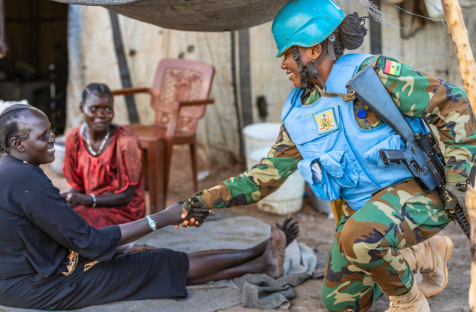
Women bring vital experience to African peacekeeping missions
National environments shaping the women who serve should be a central part of discussions about the future of peace operations.
August 3, 2026
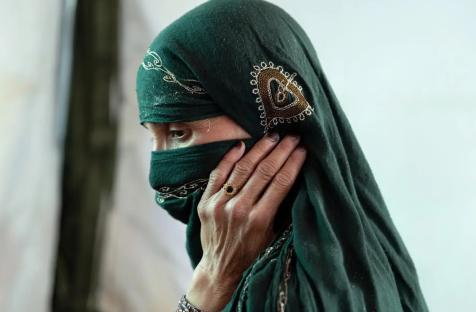
Women displaced in eastern Afghanistan face hunger, insecurity, and trauma amid renewed conflict
It was during an air attack in eastern Afghanistan that 30-year-old Najeeba* felt her labour pains begin. Around her, families were already on the move, fleeing renewed hostilities along the border between Pakistan and Afghanistan. But her baby wasn’t going to wait.
June 19, 2026
Women’s Role in Peace Processes More Urgent than Ever as Violent Conflicts Multiply, Rage across Globe, Speakers Tell Security Council
As conflicts multiply and women remain largely absent from peace negotiations, senior United Nations officials, civil society and Member States today urged the Security Council to move beyond rhetoric and make women’s participation in peace processes funded and non-negotiable, warning that peace
March 24, 2026
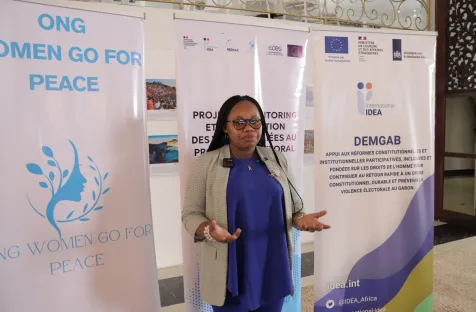
Women, elections and peace: Civil society action in Gabon
The NGO Women Go for Peace (WGP) aims to promote peace and unity through community living and social cohesion, as well as to encourage women's participation in electoral processes and decision-making spheres.
February 23, 2026
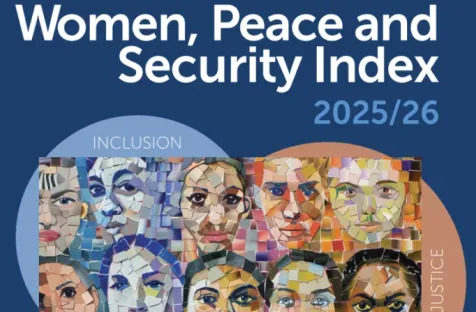
Turkey falls to 106th place in global women’s peace and security index
Turkey was ranked 106th out of 183 countries in the 2025/26 Global Women Peace and Security Index (WPS Index), down from 99th in the previous edition, according to a biennial
Women as agents of change in the MENA region?
Back
January 12, 2026
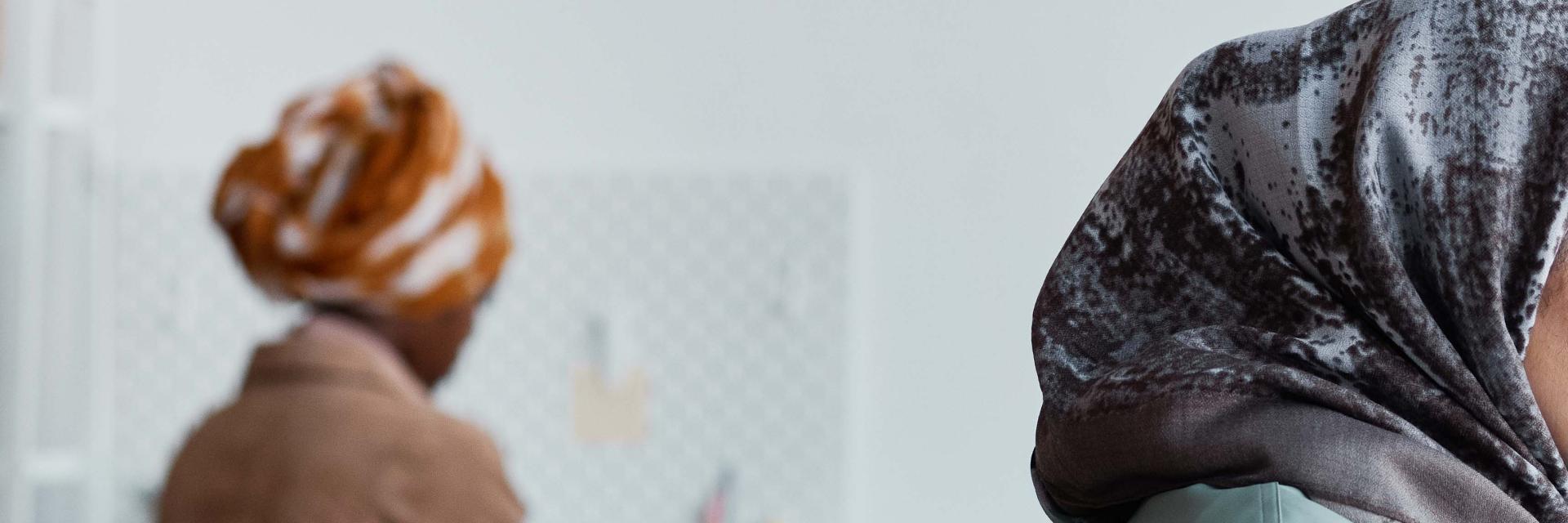
Women as agents of change in the MENA region?
This data story looks at the economic empowerment of women over the past decade and a half across selected Middle East and North Africa (MENA) countries (Algeria, Bahrain, Egypt, Iraq, Jordan, Kuwait, Liban, Libya, Morocco, Oman, Palestine*, Qatar, Saudi Arabia, Syria,
Print article
This data story looks at the economic empowerment of women over the past decade and a half across selected Middle East and North Africa (MENA) countries (Algeria, Bahrain, Egypt, Iraq, Jordan, Kuwait, Liban, Libya, Morocco, Oman, Palestine*, Qatar, Saudi Arabia, Syria,