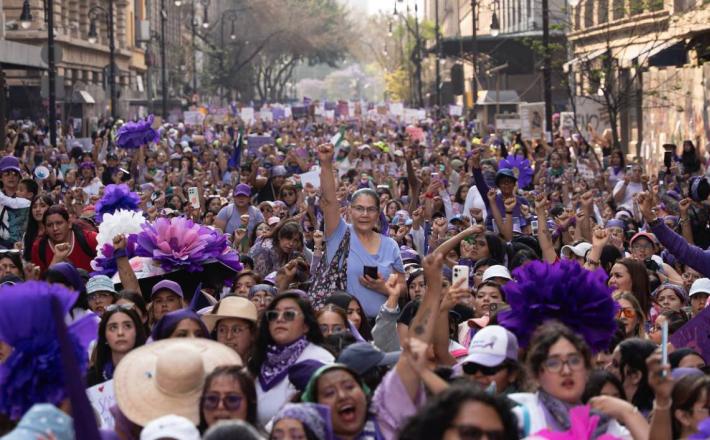
The current moment of feminism in Latin America and in much of the world is characterized by an increasingly evident tension between regulatory advances that recognize rights and a political climate that hinders their real implementation. This reflects a kind of mismatch between what is written into law and what actually takes place in women’s everyday lives.
Recently, legal progress has been made which, in another context, could be read as unequivocal signs of the consolidation of the feminist movement—such as the recently announced intention of the Mexican State to standardize the crime of femicide across the entire country with clear criteria and harsher penalties. This is, undoubtedly, an initiative aimed at closing historical gaps in the judicial interpretation of violence against women and reflects the sustained pressure of feminist organizations for the legal system to recognize the specificity of these crimes.

Hear from women leading change in the political space share their experiences and insights.

Explore a wide-range of audio-visual resources on key topics of gender equality.

Hear from a diverse list of panelists and guests as they reflect on critical issues pertaining Women in Politics.