Iranian protesters are making demands in charters and bills of rights
Source: The Conversation
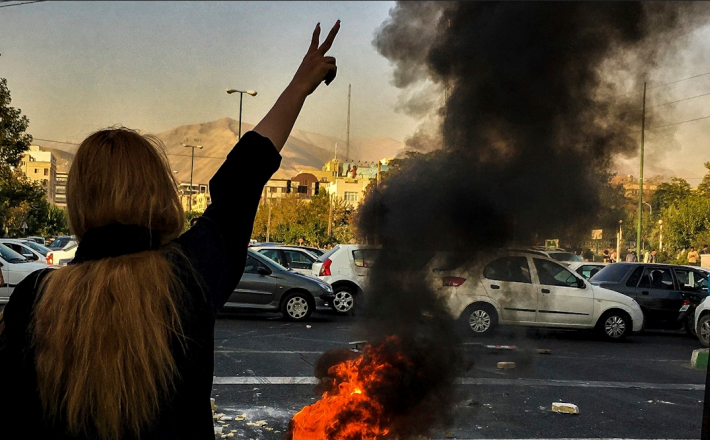
It’s been six months since the latest spark ignited mass protests in Iran — the death of 22-year-old Kurdish-Iranian Mahsa (Jina) Amini in morality police custody after she was arrested for allegedly failing to wear her hijab properly.
The outrage over her killing resulted in women-led protests. Their slogan “woman, life, freedom,” originally a Kurdish manifesto, has helped fuel the Iranian protesters’ demands for radical change.
Read more: Iranian women keep up the pressure for real change – but will broad public support continue?
The perseverance, bravery and determination of the Iranian protesters, particularly women and girls, have been heroic. Despite risks to their lives and freedoms due to a brutal government crackdown, many remain active in publicly articulating their grievances in a variety of ways.
In recent months, while some street presence has continued in Iran — for example, in response to the poisonings of schoolgirls in cities across the country — protesters are also organizing strikes, sit-ins, boycotts and publicizing their demands in the form of manifestos, charters and bills of rights.
In fact, a key distinguishing factor between the recent protests and the previous ones is that Iranians have been forming coalitions to advocate for important structural and institutional changes in support of equality, human rights, democracy and freedom.
It’s been six months since the latest spark ignited mass protests in Iran — the death of 22-year-old Kurdish-Iranian Mahsa (Jina) Amini in morality police custody after she was arrested for allegedly failing to wear her hijab properly.
The outrage over her killing resulted in women-led protests. Their slogan “woman, life, freedom,” originally a Kurdish manifesto, has helped fuel the Iranian protesters’ demands for radical change.
Read more: Iranian women keep up the pressure for real change – but will broad public support continue?
The perseverance, bravery and determination of the Iranian protesters, particularly women and girls, have been heroic. Despite risks to their lives and freedoms due to a brutal government crackdown, many remain active in publicly articulating their grievances in a variety of ways.
In recent months, while some street presence has continued in Iran — for example, in response to the poisonings of schoolgirls in cities across the country — protesters are also organizing strikes, sit-ins, boycotts and publicizing their demands in the form of manifestos, charters and bills of rights.
In fact, a key distinguishing factor between the recent protests and the previous ones is that Iranians have been forming coalitions to advocate for important structural and institutional changes in support of equality, human rights, democracy and freedom.