Mitigating violence against women in politics in Africa – insights from Ghana, Kenya and Zimbabwe
A new book maps how electoral violence affects women in local politics in Ghana, Kenya and Zimbabwe, showing how they are systematically targeted in ways that limit their participation and help maintain male-dominated political systems.
Drawing on 134 interviews with politically active women, this new book – Making politics safer –documents a wide range of violence and abuse, including physical and sexual attacks, psychological pressure, economic manipulation and symbolic humiliation. It also highlights intimidation, online harassment, disinformation and violence within political parties as common tools used to sideline women.
Younger and unmarried women, those from marginalised ethnic groups, and those in opposition parties are found to face the highest risks. Even in countries where gender quotas exist, such as Kenya and Zimbabwe, a higher number of women in elected positions has not resulted in safer conditions.
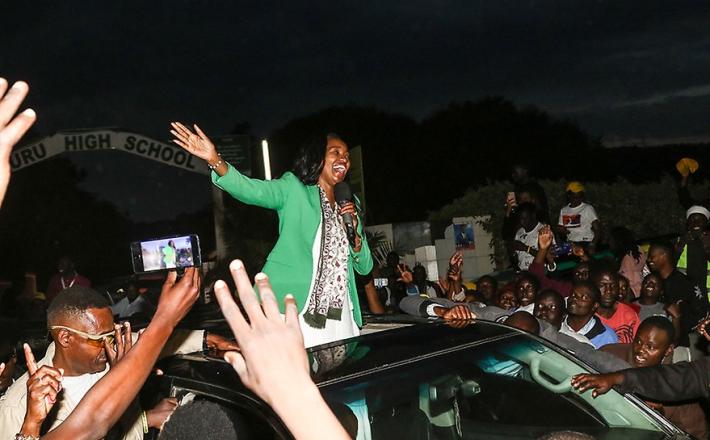

Hear from women leading change in the political space share their experiences and insights.

Explore a wide-range of audio-visual resources on key topics of gender equality.

Hear from a diverse list of panelists and guests as they reflect on critical issues pertaining Women in Politics.