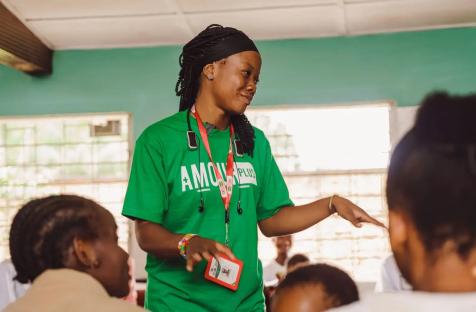
The Chairman and CEO of the Nigerians in Diaspora Commission (NiDCOM), Abike Dabiri-Erewa, has urged Nigerian women to actively participate in politics to shape national discourse and contribute meaningfully to the country’s development.
The vision of an inclusive democracy, forged on the streets during the July uprising, has collided with a formidable structural wall.
As usual, Congress gathers around this time of year to try to extract some electoral advantage from International Women’s Day. Close to March 8, lawmakers typically hold a joint effort to approve measures aimed at female voters—initiatives that, on their merits, few would oppose.
Discrimination in the workplace. Difficult choices between career and family responsibilities. Online harassment. Across Europe, many women experience inequality in their everyday lives.
With only one in seven countries led by a woman, global political power remains dominated by men. Women are presidents or heads of government in only 28 of the world’s 195 countries, and 101 states have never had a female leader.
On 16 March, the Delegation of the European Union to China hosted the event “Her Vision, Our Future: Women Pioneering Change” in Beijing, bringing together policymakers, diplomats, academics, civil society representatives and members of the international community to reflect on w
European ministers approved plans to allow female lawmakers in the European Parliament to delegate their vote temporarily before and after childbirth – a reform supporters say will make the institution more family-friendly.
HÀ NỘI — Women’s participation in politics is widely seen as a key measure of social progress and an important driver of socio-economic development, gender equality and sustainable growth.