There are phrases born from the deepest pain that end up changing history. In 1995, Mexican poet Susana Chávez Castillo wrote “Not One Woman Less, Not One More Death” as she walked the streets of Ciudad Juárez denouncing the systematic murder of women, which the state preferred to call “unfortunate incidents.” In 2011, she herself was murdered — raped and mutilated like so many of the women she had defended.
Chávez Castillo did not live to see how her words would have a lasting impact on the world. Four years after her femicide, her slogan crossed the continent.
On May 10, 2015, in Santa Fe, Argentina, Chiara Páez — 14 years old and two months pregnant — was beaten to death by her boyfriend and buried in the backyard of his family home. The entire town had been searching for her. Her father said something that no public policy should ever forget: “Chiara was the straw that broke the camel’s back. The violence did not begin that day. It has been going on for many years.”
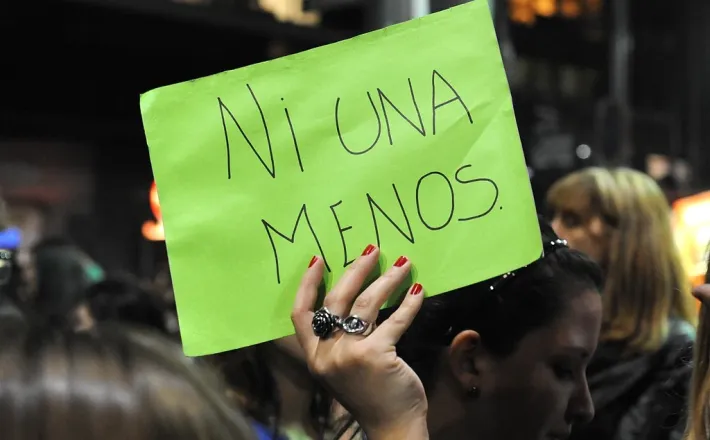
A month after the crime, 300,000 people filled the Plaza of the Two Congresses in Buenos Aires and gathered in 80 other Argentine cities for a massive demonstration against gender-based violence, under a single slogan. Within weeks, Ni Una Menos (Not One Woman Less) was being heard in Mexico, Chile, Peru, Uruguay, Bolivia, Colombia, and Paraguay.
Latin America recognized in that slogan something it already knew but which no one had named so clearly: that women are killed for being women, and that it has a name — femicide.

Hear from women leading change in the political space share their experiences and insights.

Explore a wide-range of audio-visual resources on key topics of gender equality.

Hear from a diverse list of panelists and guests as they reflect on critical issues pertaining Women in Politics.