Ziyu, born in 2002, still remembers the first time her mother asked whether she wanted a younger sibling.
It was sometime in middle school, shortly after China loosened its birth restrictions. “I was already buried under academic pressure, emotionally dependent on my mother in the way many anxious only children are. My mother brought it up casually, half-joking: “What if we had another baby?”
She answered with shocking seriousness. “You can only choose one,” she told her. “Either them or me.”
Ziyu does not think she literally meant that she would rather die than accept a sibling. What stayed with her was the fear behind it. At that age, her mother’s attention felt inseparable from survival. The idea of sharing it felt catastrophic.
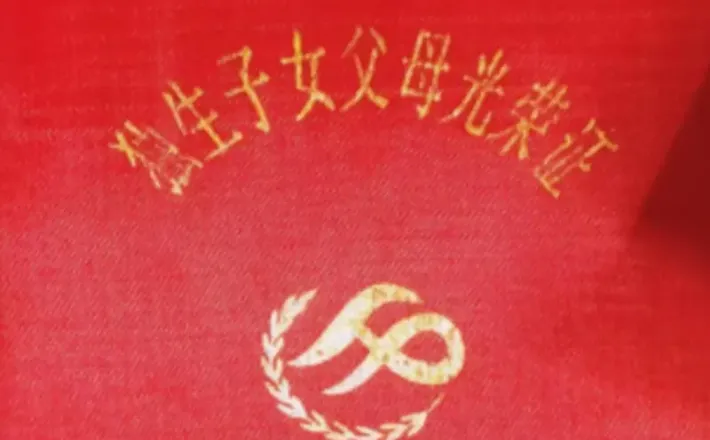
When China ended the One-Child Policy in 2015, the shift was often described in demographic terms: declining birth rates, an aging population, and a policy adjustment to encourage more births. For women born under the policy, its impact was far more intimate. It shaped how families distributed love and resources, and how young women came to understand their place within the family.

Hear from women leading change in the political space share their experiences and insights.

Explore a wide-range of audio-visual resources on key topics of gender equality.

Hear from a diverse list of panelists and guests as they reflect on critical issues pertaining Women in Politics.