Since 2012, Mali has been in security turmoil with the emergence and expansion of several radical non-State armed groups: Jamāʿat Nuṣrat al-Islām wal-Muslimīn (JNIM), Al-Qaeda in the Islamic Maghreb (AQMI), Katiba Macina, Al Mourabitoun, and the Islamic State Sahel Province (EIGS). These groups demand the independence and empowerment of territories in the northern region of the country, using targeted violent action to weaken and overthrow the powers that be. The current state of affairs has led to ongoing security disruptions across Mali and other Central Sahel countries.
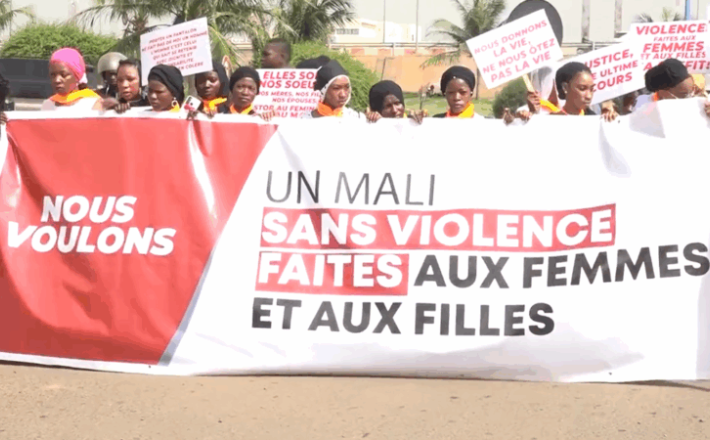
Today, the security situation in Mali, a member of the Alliance of Sahel States (AES) that withdrew from the Economic Community of West African States (ECOWAS) on January 28, 2024, has been marked by clashes between the Malian armed forces and their allies and non-State armed groups. This situation continues to disproportionately affect the civilian population, especially women and girls who are often victims of sexual violence.
According to the United Nations Population Fund’s (UNFPA) May 2025 Mali Situation Report, the armed groups’ attacks also result in forced marriages and considerably limit access to essential sexual and reproductive health and protection services.

Hear from women leading change in the political space share their experiences and insights.

Explore a wide-range of audio-visual resources on key topics of gender equality.

Hear from a diverse list of panelists and guests as they reflect on critical issues pertaining Women in Politics.