May 14, 2019
Political parties shy of fielding women
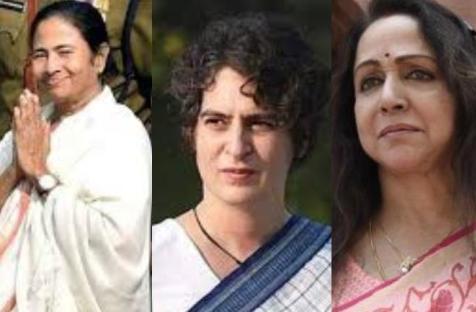
Women politicians have made it to the top headlines this poll season.
Women politicians have made it to the top headlines this poll season.
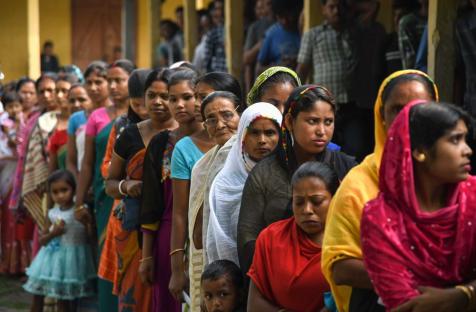
For the first time, female voters are set to outnumber male voters in the world's largest national election.
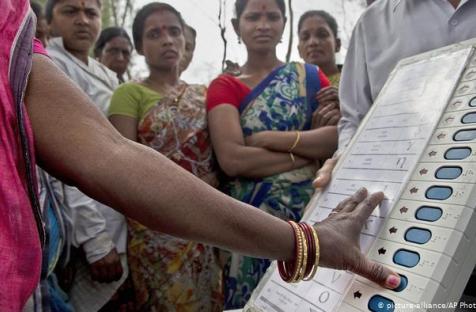
Although women have held powerful government positions in India, their political participation in the country has largely been curtailed by a male-dominated system. Will the ongoing general election bring about a change?
The odds are stacked heavily against women in politics. They are up against strong, entrenched and largely patriarchal lobbies in political parties.
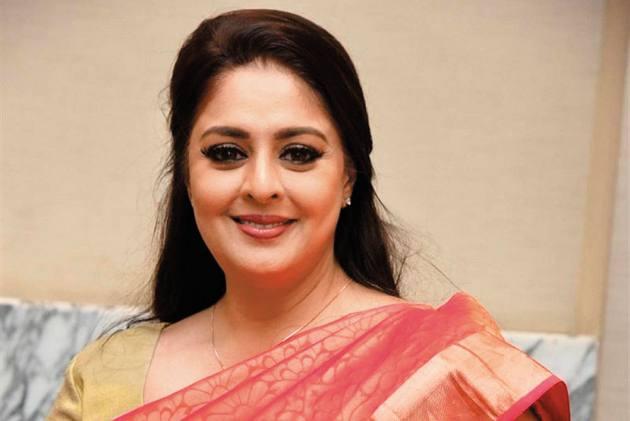
The odds are stacked heavily against women in politics. They are up against strong, entrenched and largely patriarchal lobbies in political parties.
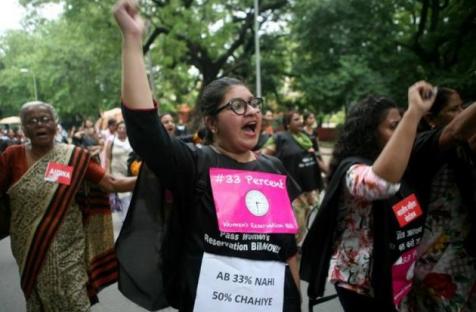
As India gears up for the world’s largest election process, one cannot help but think of some of the unfulfilled promises made when a young India emerged amongst the preeminent democracies of the world.
Women in Indian politics face a double disadvantage. The first is the difficulty in getting a foot in through the door in a male-dominated arena. Women account for only 12.15% of the outgoing 16th Lok Sabha.
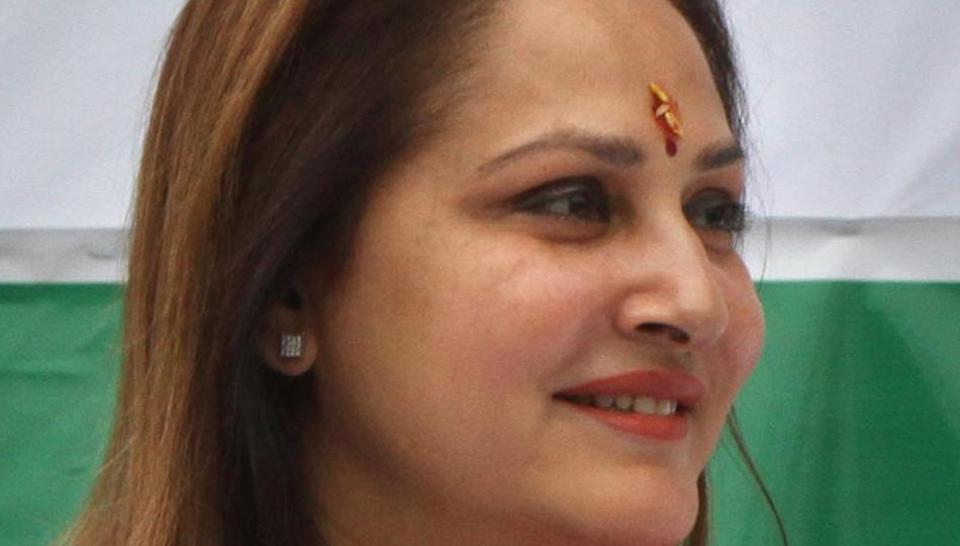
Women in Indian politics face a double disadvantage. The first is the difficulty in getting a foot in through the door in a male-dominated arena. Women account for only 12.15% of the outgoing 16th Lok Sabha.
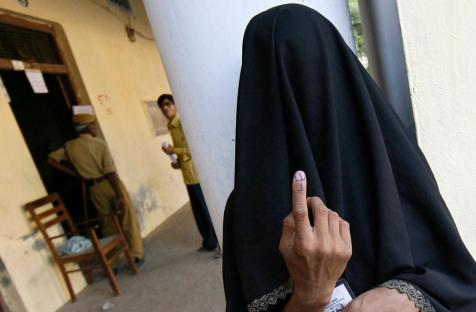
History’s biggest elections are yet another proof that we live in a “man’s world.”
Less than 8% of the total 1,271 candidates contesting the first phase of India’s general election are women.
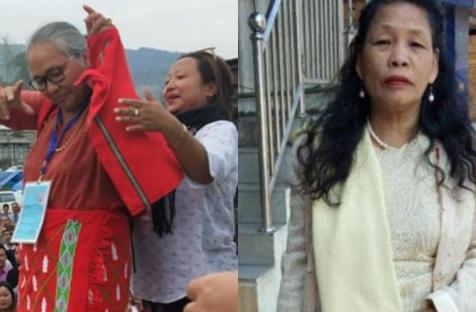
Lalthlamauni or Jarjum Ete win or not, they have already made history by being the first women in the two states – which both have more women voters than men – to contest a Lok Sabha election.
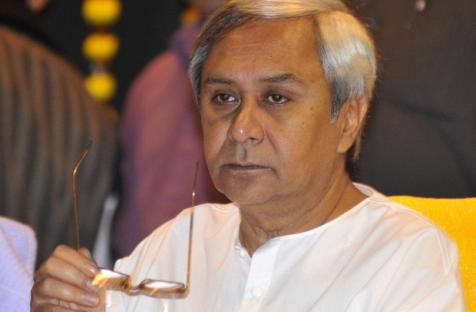
Odisha Chief Minister Naveen Patnaik on Sunday announced 33 per cent quota for women in the allocation of Lok Sabha tickets of Biju Janata Dal (BJD) party.