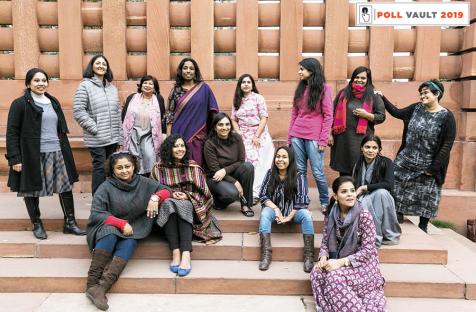
A non-partisan collective is targeting the general elections for equal representation of women in Parliament, but the road to gender-just politics is tricky to traverse

By Prathiksha Lakshmikanth,
By Naghma Sahar,
After the death of veteran socialist leader George Fernandes, I had the chance to meet his companion and fellow politician, Jaya Jaitly.
By Naghma Sahar,
After the death of veteran socialist leader George Fernandes, I had the chance to meet his companion and fellow politician, Jaya Jaitly.
As early as 1966, India elected a female prime minister, becoming only the second country in the world to do so.
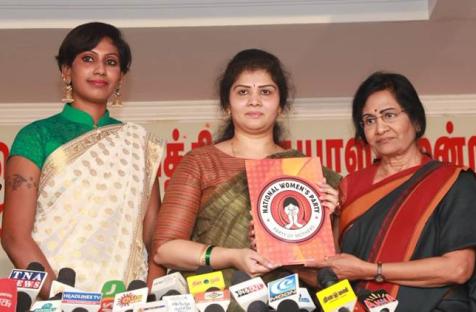
“Our candidates are mostly women who work in the NGO sector and have grassroots experience. There are many retired IAS officers who are joining our party. The candidates will depend on their own resources for campaigning,” Shetty said.
Ahead of the upcoming Lok Sabha elections, Shakti, a non-partisan collective for women in politics, has been doing several campaigns to push for more women candidates.
By Rachel Brulé,
Reservation for women in politics has positively impacted their inheritance rights as well as marriage negotiations.
By Rachel Brulé,
Reservation for women in politics has positively impacted their inheritance rights as well as marriage negotiations.
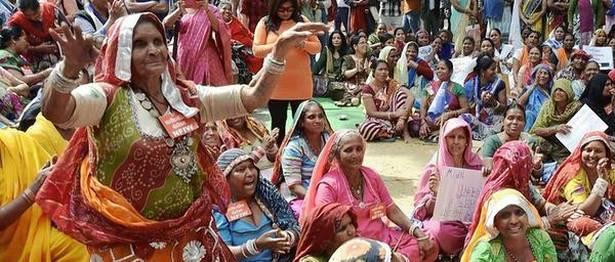
Protagonists of women rights argue that women’s participation in politics is a reinforcing factor in ushering in a level playing field for them. Now, how inclusive is India’s political domain?
“The gradual emergence of women as an electoral power is an encouraging development for Indian democracy,” say Kanta Singh and Vrinda Handa.